
Diplomatic efforts to resolve the six-week US-Iran conflict are extending, even as Saudi Arabia pressures Washington to prevent an oil chokepoint showdown that could endanger global energy security.
Diplomatic efforts to resolve the six-week US-Iran conflict are extending, even as Saudi Arabia pressures Washington to prevent an oil chokepoint showdown that could endanger global energy security.
Direct negotiations between the US and Iran are set to continue after a weekend of tense talks in Islamabad, but the focus is shifting to pressure from Saudi Arabia, which warns that a full-scale blockade of the Strait of Hormuz could trigger a wider conflict impacting other critical sea lanes. Pakistan, mediating the talks, has called for the current two-week ceasefire to be extended by 45 days to allow for a diplomatic solution.
"We've had some productive exchanges," US Vice President JD Vance told Fox News, noting some flexibility from Tehran. "But it's not enough. The ball is in Iran's court."
The cautious optimism was tempered by market reality. West Texas Intermediate crude for May delivery fell nearly 2 percent to $97.00 a barrel, while June Brent crude futures declined 1 percent to $98.46. The moves reflect deep uncertainty as investors weigh the possibility of a diplomatic breakthrough against the risk of a catastrophic supply disruption.
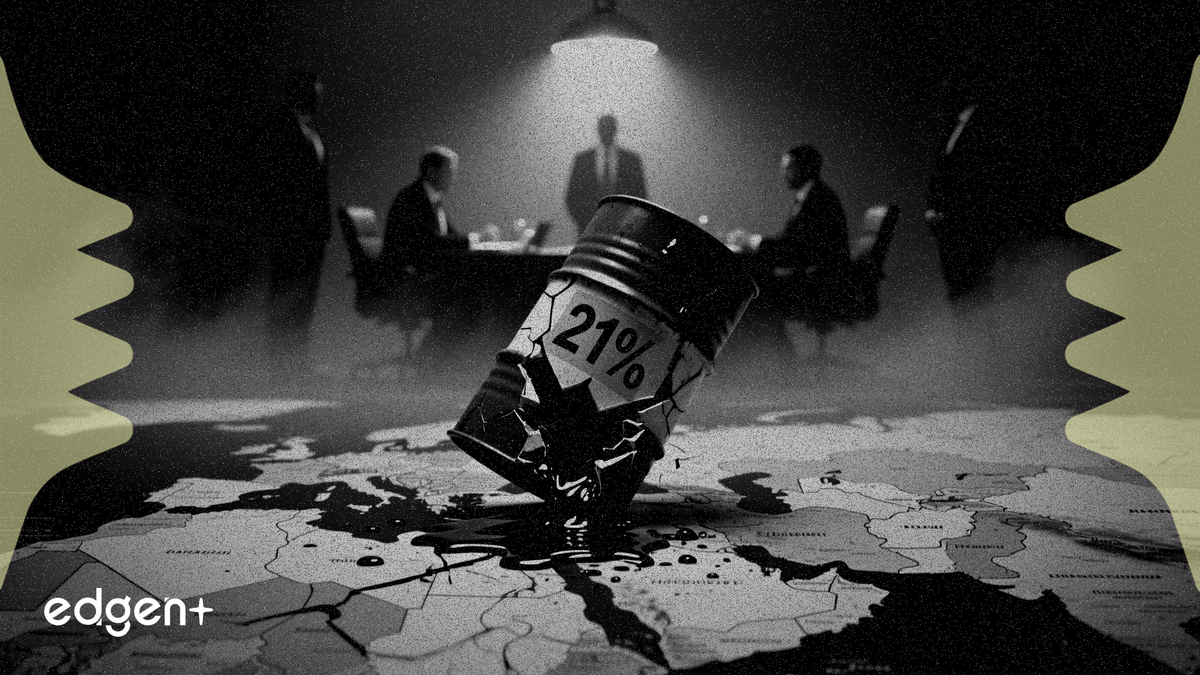
At stake is the security of the world’s most important oil chokepoints. While the US-Iran talks are focused on the Strait of Hormuz, which handles about 21% of global oil consumption, Saudi Arabia fears that a US blockade would prompt Iran to retaliate by disrupting the Bab el-Mandeb Strait. A closure of that Red Sea passage would sever the primary route for Saudi oil exports, which have been rerouted via pipelines to its western coast to bypass Hormuz, according to Gulf officials cited by the Wall Street Journal.
Riyadh's diplomatic intervention underscores the kingdom's precarious position. Having successfully restored oil exports to a pre-war level of approximately 7 million barrels per day by using its Red Sea ports, Saudi Arabia is now heavily reliant on the Bab el-Mandeb. The strait is flanked by territory controlled by Yemen's Houthi rebels, who are backed by Iran. While Saudi officials claim to have secured assurances from the Houthis that their ships won't be targeted, they fear that commitment could evaporate under pressure from Tehran, potentially leading to attacks or the imposition of passage fees.
This complex geopolitical dynamic has forced Washington to balance its hardline stance against Iran with the economic stability of its key Gulf ally. The negotiations, which began days into a fragile ceasefire in the six-week war, have so far failed to produce a breakthrough.
The status of the Strait of Hormuz remains the central obstacle. According to the Financial Times, the talks hit a stalemate over the waterway, which Iran has effectively closed to most global shipping. Iran is reportedly using a combination of naval mines and "protection fees" to control passage, a tactic the US is trying to undermine with naval patrols. US President Donald Trump stated his military was "starting the process of clearing out the Strait of Hormuz," and two US destroyers have since transited the waterway to prove its viability.
Iran's demands also include compensation for war damages and a region-wide ceasefire that includes its allies in Lebanon, a condition the US delegation has rejected, according to Al-Araby Al-Jadeed. With the current ceasefire set to expire, the push by Pakistan for a 45-day extension provides a critical, if narrow, window to prevent a return to hostilities that could send oil prices soaring and severely disrupt the global economy.
This article is for informational purposes only and does not constitute investment advice.