
Top-level US-Iran negotiations are set to resume, sending a wave of uncertainty through crude oil markets as traders weigh the potential for sanctions relief against the risk of escalating tensions.
Top-level US-Iran negotiations are set to resume, sending a wave of uncertainty through crude oil markets as traders weigh the potential for sanctions relief against the risk of escalating tensions.
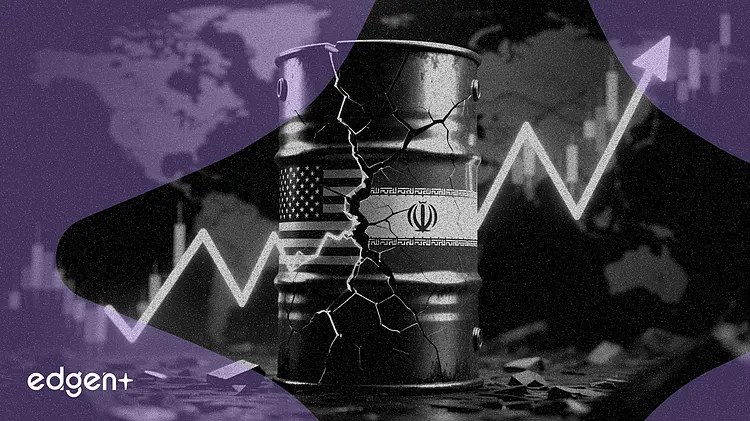
Iran's semi-official ISNA news agency reports that Parliament Speaker Ghalibaf will lead a delegation for direct negotiations with the United States, to be represented by Vice President Vance, a development that could introduce significant volatility to crude oil prices.
While no official timetable was released, oil markets are already pricing in a binary outcome, with options volatility suggesting traders are bracing for a potential 5% swing in Brent crude futures depending on the talks' direction.
A successful dialogue leading to the easing of oil sanctions could push Brent crude towards $78 per barrel, offering a tailwind to global equities and easing inflationary pressures. Conversely, a breakdown in talks could see prices surge above $85, renewing fears of supply disruptions in the Strait of Hormuz, through which over 20% of global oil supply transits.
The negotiations represent a critical juncture for global energy markets, with the outcome potentially influencing central bank policy ahead of year-end by either taming or exacerbating inflation, adding another layer of uncertainty for investors.
The discussions are expected to focus on the complex web of US sanctions that have curtailed Iran's oil exports. A potential deal could unlock over one million barrels per day of Iranian crude, according to market estimates, providing much-needed relief to a tight global market.
However, the path to an agreement is fraught with challenges. The last round of indirect talks stalled over disagreements on verification and the scope of sanctions relief. A similar breakdown this time could escalate regional tensions, likely sending gold prices higher as a safe-haven asset and putting downward pressure on risk assets like the S&P 500.
This situation is reminiscent of the 2015 negotiations that led to the JCPOA agreement, which saw Brent crude prices fall by nearly 15% in the subsequent three months. While the geopolitical landscape has shifted, the historical precedent underscores the high stakes involved in the upcoming dialogue.
This article is for informational purposes only and does not constitute investment advice.