
Hopes for a diplomatic off-ramp to the Iran conflict rise as negotiators are expected to reconvene, potentially easing oil supply fears.
Hopes for a diplomatic off-ramp to the Iran conflict rise as negotiators are expected to reconvene, potentially easing oil supply fears.
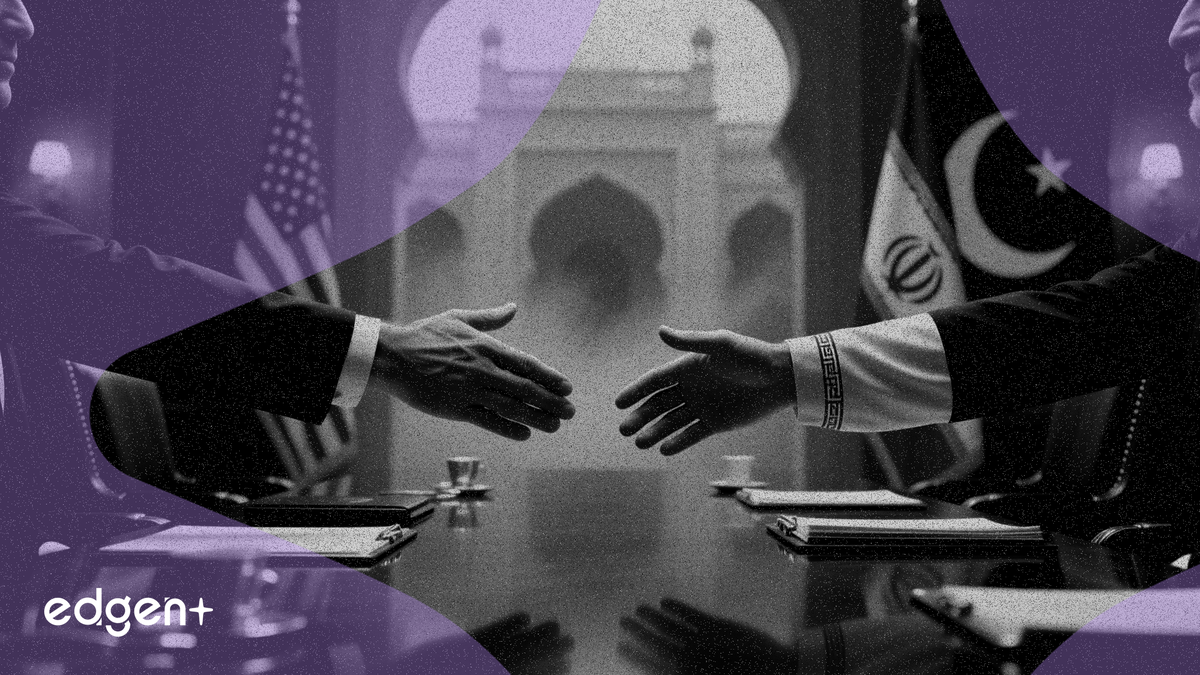
Talks to end the six-week Iran war could resume in Pakistan within the next two days, U.S. President Donald Trump said Tuesday, a signal of diplomatic progress that helped push benchmark oil prices below $100 a barrel. The potential breakthrough comes after weekend negotiations collapsed, prompting Washington to impose a blockade on Iranian ports.
"You should stay there, really, because something could be happening over the next two days, and we’re more inclined to go there,” Trump said in an interview with the New York Post. Gulf, Pakistani, and Iranian officials also confirmed that negotiating teams could return to Islamabad later this week.
The primary sticking point remains Iran’s nuclear ambitions. The United States has proposed a 20-year suspension of all nuclear activity, while Tehran has countered with a three to five-year halt, according to sources familiar with the talks. Since the conflict began on February 28, Iran has effectively shut the Strait of Hormuz, a waterway for about 21% of global petroleum liquids consumption, leading to roughly 5,000 deaths.
The standoff has clouded the global economic outlook, with the International Monetary Fund cutting its growth forecast and warning of a recession if oil stays above $100 a barrel into 2027. While the U.S. blockade of Iranian ports began this week, with U.S. Central Command reporting no ships had passed in the first 24 hours, the prospect of renewed talks offered a measure of stability to energy markets.
U.S. Central Command confirmed more than a dozen U.S. warships are enforcing the blockade, which applies only to ships going to or from Iran. In response, an Iranian military spokesperson called any U.S. restrictions on international shipping “piracy.” China, the main buyer of Iranian oil, termed the blockade “dangerous and irresponsible.”
Despite the heated rhetoric, backchannel talks since the weekend have reportedly narrowed the gap between the two sides on the nuclear issue, according to one source involved in the negotiations. The previous round of talks was the first direct encounter between U.S. and Iranian officials in over a decade, led by U.S. Vice President JD Vance and Iranian Parliamentary Speaker Mohammad Baqer Qalibaf.
Further complicating the path to peace, Israel has continued military operations against Iran-backed Hezbollah in Lebanon. In a separate diplomatic effort, U.S. Secretary of State Marco Rubio hosted the first direct negotiations between Israeli and Lebanese envoys since 1983. The State Department said the two sides agreed to continue their talks, which focused on a ceasefire and the disarming of Hezbollah.
A two-week ceasefire in the main U.S.-Iran conflict has largely held for its first week. The pause in the U.S.-Israeli bombing campaign came as the war proved unpopular at home, with a Reuters/Ipsos poll showing only 35% of Americans approve of U.S. strikes against Iran.
This article is for informational purposes only and does not constitute investment advice.