Washington and Tehran are signaling a potential end to the conflict that has disrupted 20% of the world's oil supply, though Iran warns the US proposal contains 'unacceptable terms.'
Back
Washington and Tehran are signaling a potential end to the conflict that has disrupted 20% of the world's oil supply, though Iran warns the US proposal contains 'unacceptable terms.'

Washington and Tehran are signaling a potential end to the conflict that has disrupted 20% of the world's oil supply, though Iran warns the US proposal contains 'unacceptable terms.'
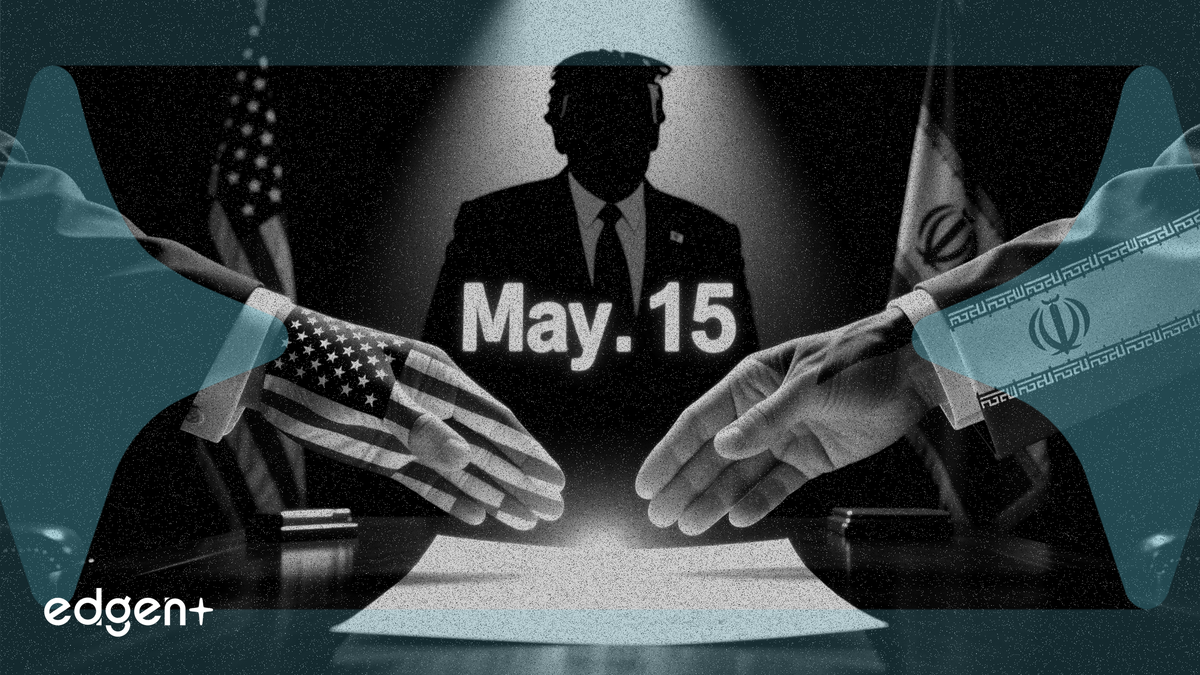
US President Donald Trump said on May 6 that a deal to end the war with Iran is “very likely,” potentially coming before his foreign visit on May 14, but Tehran quickly tempered expectations, stating it was still reviewing a proposal with several unacceptable clauses.
"The security of shipping and energy transit has been jeopardized by the United States and its allies through the violation of the ceasefire," Mohammad Bagher Qalibaf, Iran’s parliamentary speaker and chief negotiator, said on X. "We know full well that the continuation of the status quo is intolerable for America; while we have not even begun yet."
The diplomatic push comes after the US military initiated "Project Freedom" to force open the Strait of Hormuz, sinking six Iranian boats while escorting two merchant ships. The conflict, which began February 28, prompted Iran to close the critical waterway, through which about a fifth of global oil trade passes, causing a surge in energy prices and roiling the world economy.
The negotiations now enter a critical window. A successful agreement on the reported 14-point memorandum could de-escalate military tensions and reopen the strait, easing pressure on global energy markets. However, a failure could trigger Trump's threat to restart bombing "with a scale and intensity far beyond anything seen before," risking a wider regional conflict.
According to US media reports, the one-page memorandum would end the war and initiate a 30-day negotiation period to resolve core issues, including Iran's nuclear program and the security of the Strait of Hormuz. President Trump indicated a potential deal would involve Iran handing over its highly enriched uranium to the US and halting work at underground nuclear facilities.
Tehran, however, presented a starkly different view. Foreign Ministry spokesman Nasser Baghaei said Iran was still reviewing the American proposal and had not yet delivered a formal response to Pakistani mediators. An official cited by Iranian media called parts of the US text "unacceptable" and dismissed reports of an imminent deal as "media speculation."
Iranian officials have insisted that the current talks are focused solely on "ending the war" and do not yet include the country's nuclear program. "What the Americans can't get in face-to-face negotiations, they won't get in a failed war," said Ebrahim Rezaei, a spokesman for Iran's parliamentary national security committee.
The diplomatic maneuvering unfolds against a backdrop of high military tension. The US has maintained a naval blockade on Iranian ports since April 13, turning away at least 52 commercial vessels, according to US Central Command.
Meanwhile, Israel, a key US ally, remains on high alert. Israel Defense Forces Chief of Staff Herzi Halevi said the military was ready for "a strong, large-scale military operation" against Iran at a moment's notice. Prime Minister Benjamin Netanyahu has been briefed by Washington on the talks, with US officials reportedly assuring him that the removal of Iran's nuclear material remains a primary "red line."
The last major flare-up in the region involving similar tensions saw Brent crude prices jump over 10% in a single week, highlighting the significant financial stakes of the current standoff.
This article is for informational purposes only and does not constitute investment advice.