
Fresh US strikes on Iran have rattled markets, sending crude oil down over 4% and casting doubt on a peace deal that President Trump says is just days from a make-or-break conclusion.
Fresh US strikes on Iran have rattled markets, sending crude oil down over 4% and casting doubt on a peace deal that President Trump says is just days from a make-or-break conclusion.
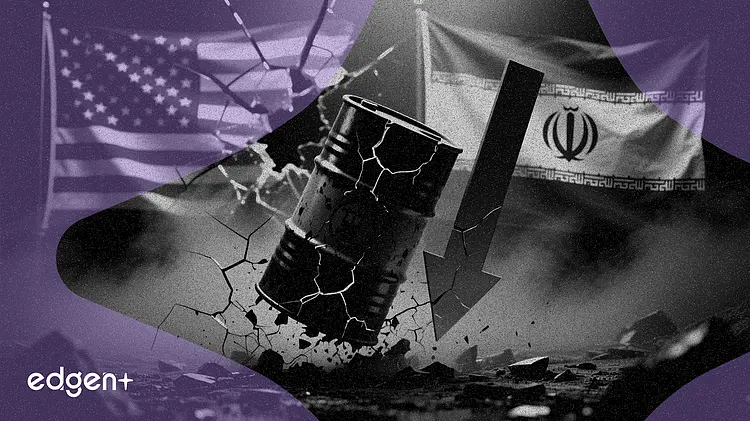
European stocks are set to open lower Tuesday, tracking a dip in US equity futures after American forces conducted strikes in Iran, complicating the outlook for a potential peace deal. The move injected fresh volatility into markets, which had been optimistic about a breakthrough.
"We think that we've made a lot of progress, we think the Iranians want to make a deal," Vice President JD Vance said Tuesday, but he acknowledged that restarting the military campaign was "option B." The comment came after US Central Command confirmed its forces conducted "self-defense strikes" in Southern Iran on Monday, hitting missile launch sites and boats.
The strikes sent crude oil prices tumbling, with Brent crude falling 4.6 percent to $92.18 a barrel as traders reacted to the mixed signals. While a potential deal could bring more supply to the market, the renewed hostilities underscore the fragility of the truce that began April 8. The Australian dollar, a proxy for risk sentiment, weakened against the safe-haven Japanese Yen, with the AUD/JPY cross falling to around 113.85.
The situation remains fluid, with President Donald Trump stating negotiations are "proceeding nicely" while also threatening a "big hit" within "two or three days" if a deal isn't reached. A draft agreement reportedly allows for a 30-day period to resume navigation in the vital Strait of Hormuz, a waterway for 21% of global oil trade, and a ceasefire extension of more than 60 days.
The conflicting messages from Washington highlight the dual tracks being pursued: a diplomatic path toward a comprehensive agreement and a military readiness to re-engage. Iranian officials have been more circumspect about an imminent deal, and while they are reportedly prepared to transfer highly enriched uranium out of the country, they have also pushed back on the idea of "tolls" in the Strait of Hormuz, reframing it as an "environmental surcharge."
The last time tensions flared in the region in late February, global energy prices and inflation surged. The current war has already shut down the Strait of Hormuz, pushing US fuel pump prices to their highest in almost four years, according to Bloomberg reports. Secretary of State Rubio confirmed that the complex negotiations "will take a few days."
The uncertainty is rippling across global markets. In Asia, South Korea's Kospi index surged 3 percent upon reopening after a holiday, playing catch-up to strong gains in other markets. Japan's Nikkei 225, however, took a breather after a three-day rally.
The risk-off sentiment is also influenced by other global economic factors. Australia's unemployment rate unexpectedly jumped to 4.5 percent in April, the highest in over four years, cooling bets for a June rate hike by the Reserve Bank of Australia. In contrast, a new gauge for Japan's core consumer inflation hit 2.8 percent in April, adding another layer of complexity for global central banks.
This article is for informational purposes only and does not constitute investment advice.
