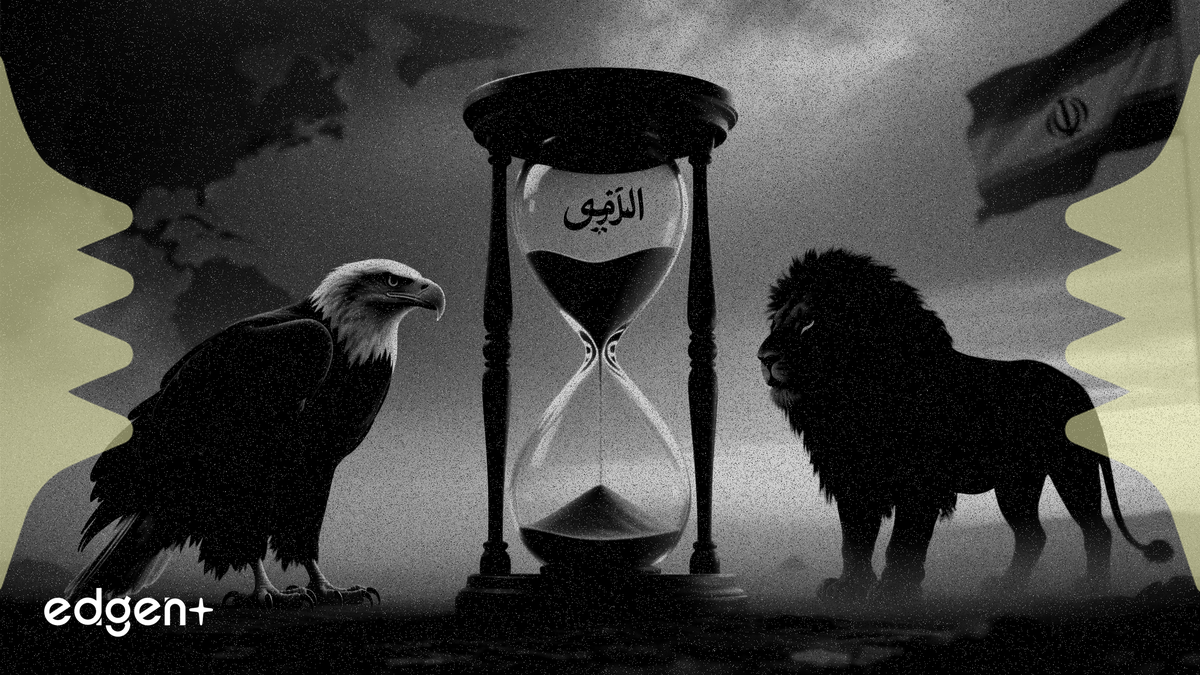
Un accord de paix potentiel entre les États-Unis et l'Iran pourrait nécessiter environ six mois de finalisation, selon des responsables arabes du Golfe et européens, qui réclament une prolongation du cessez-le-feu pour permettre de longues négociations.
« Les parties au conflit devraient prolonger l'accord de cessez-le-feu pour couvrir cette période », a déclaré un groupe de dirigeants du Golfe et d'Europe, soulignant la nécessité de canaux diplomatiques entre les États-Unis et l'Iran.
Les dirigeants ont appelé à la réouverture immédiate du détroit d'Ormuz pour rétablir les flux énergétiques vitaux. Ils ont averti qu'un échec avant le mois de mai pourrait déclencher une crise alimentaire mondiale, le détroit étant un point de passage critique pour le commerce international.
L'issue de ces négociations présente un choix binaire pour les marchés mondiaux. Un accord réussi rouvrant le détroit entraînerait probablement une baisse des prix du pétrole et un rebond des actions mondiales, tandis qu'un échec risquerait un conflit militaire, une forte hausse des coûts énergétiques et un grave ralentissement de l'économie mondiale.
Poussée diplomatique face aux risques économiques
Le consensus parmi les dirigeants des pays du Golfe est une préférence pour une résolution diplomatique plutôt qu'un nouveau conflit. Le cadre de paix proposé imposerait des restrictions significatives aux capacités nucléaires et militaires de l'Iran, interdisant spécifiquement l'enrichissement de l'uranium et la possession de missiles balistiques à longue portée. Cela s'aligne sur les préoccupations internationales de longue date concernant la stabilité régionale.
Les enjeux économiques sont immenses. Le détroit d'Ormuz est un point névralgique pour une part importante de l'approvisionnement mondial en pétrole. Toute fermeture prolongée menace de perturber les chaînes d'approvisionnement, d'augmenter les coûts de transport et d'alimenter l'inflation. L'avertissement d'une crise alimentaire souligne l'interconnexion des marchés mondiaux, où les chocs sur les prix de l'énergie peuvent rapidement se traduire par des coûts plus élevés pour la production et la distribution alimentaires.
Cet article est fourni à titre informatif uniquement et ne constitue pas un conseil en investissement.