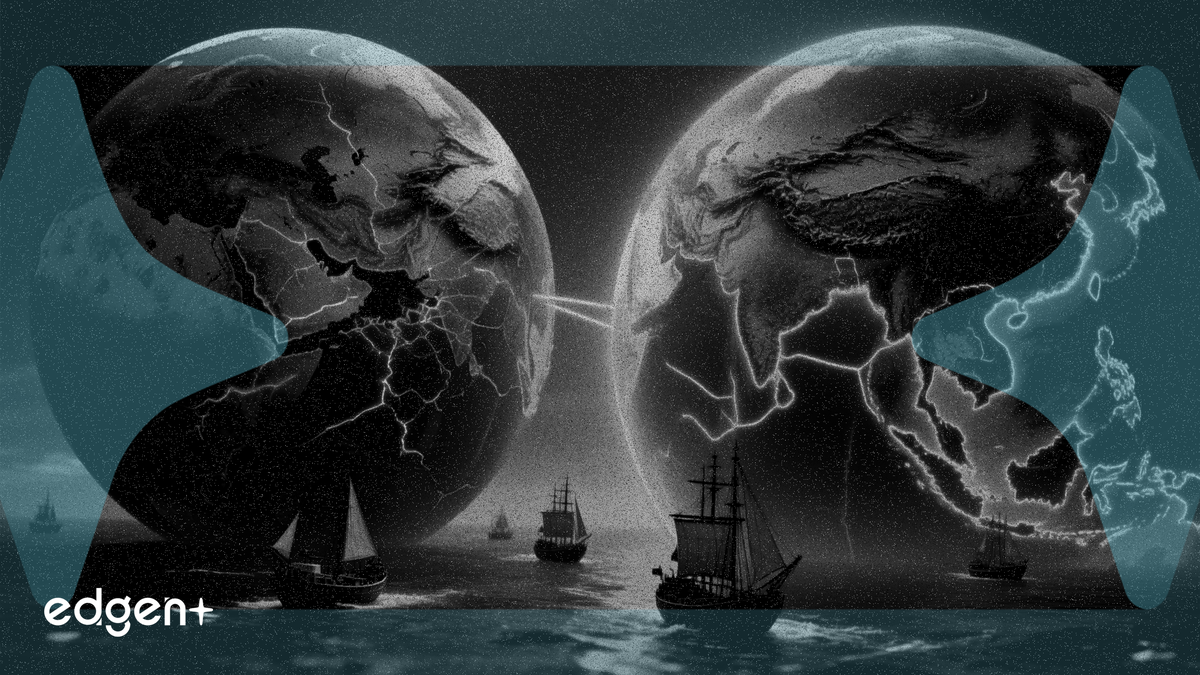
Güneydoğu Asya'daki yeni bir ABD savunma paktı, Hürmüz Boğazı kilitlenmiş durumdayken Malakka Boğazı üzerindeki baskıyı artırarak küresel ticaret için iki cepheli bir zorluk yaratıyor.
13 Nisan'da imzalanan ve Malakka Boğazı üzerindeki askeri varlığı artırmayı amaçlayan ABD-Endonezya savunma anlaşması, tıkanan ABD-İran görüşmelerinin dünya petrolünün beşte birinin geçiş noktası olan Hürmüz Boğazı'nı büyük ölçüde kapalı tutmasıyla küresel nakliye risklerini artırıyor. Dünyanın en kritik iki deniz damarı üzerindeki çifte baskı, yüksek enerji fiyatlarını kalıcı hale getirme ve tedarik zincirlerini aylarca bozma tehdidi taşıyor.
Eski İngiltere'nin İran Büyükelçisi ve Chatham House yönetim kurulu üyesi Rob Macaire, "ABD ve İran arasında yakın vadeli bir anlaşma pek olası değil," dedi. "Mesele sadece görüşmelerin başarılı olup olmayacağı değil, her iki tarafın da çatışmanın yeniden alevlenmesini önlemek için yeterince çaba gösterip göstermeyeceğidir. Bu devasa bir oyun."
Süregelen aksama, Brent petrol vadeli işlemlerinin çatışma öncesi seviyelerin çok üzerinde, varil başına 95 dolar civarında işlem görmesine neden olurken, West Texas Intermediate (WTI) 91 dolar civarında seyretti. Reuters'a göre, Avrupa teslimatlı bir WTI Midland kargosunun bölgesel göstergelere göre varil başına 22,80 dolar gibi rekor bir primle işlem görmesiyle, fiziksel arzın maliyeti daha da yükseldi.
Küresel ticaretin %40'ından fazlasının Malakka Boğazı'ndan geçmesi ve küresel enerjinin %20'sinin Hürmüz üzerinden akması nedeniyle, bu çift yönlü baskı ham petrolden tüketim mallarına kadar her şeyin maliyetini artırma riski taşıyor. Bloomberg tarafından alıntılanan Körfez yetkililerine göre, Hürmüz Boğazı'nın önümüzdeki aya kadar yeniden açılmaması küresel bir gıda krizini tetikleyebilir.
ABD, Malakka'daki Varlığını Derinleştiriyor
Yeni "Büyük Savunma İş Birliği İlişkisi Anlaşması", 13 Nisan'da ABD Savunma Bakanı Hageseth ve Endonezya Savunma Bakanı Sjafrie tarafından imzalandı. ABD Dışişleri Bakanlığı'na göre anlaşma, ABD ordusuna Endonezya hava sahasına daha fazla erişim sağlıyor; bu hamle, Malakka Boğazı üzerindeki gözetim ve kontrolü artırmaya yönelik doğrudan bir çaba olarak görülüyor. Güney Çin Denizi'ni Hint Okyanusu'na bağlayan 900 kilometrelik kanal, Avrupa ve Asya arasındaki ticaretin ana rotasıdır.
Bu gelişme komşu güçlerde endişeye yol açtı. Hindistan'daki medya kuruluşları, ABD'nin bir yandan İran'a baskı uygularken diğer yandan stratejik odağını Güneydoğu Asya'ya kaydırdığını belirtti. New Delhi Television'daki bir başyazıda Malakka'nın "muazzam stratejik etkisi" vurgulanarak, Hindistan'ın bölgenin güvenlik çerçevesinde bir rol üstlenmek için kendi çabalarını hızlandırması gerektiği öne sürüldü.
Hürmüz Çıkmazı Yeni Bir Aşamaya Giriyor
Bu sırada Basra Körfezi'ndeki durum gerginliğini koruyor. İran limanlarına yönelik ABD deniz ablukası tam olarak uygulanıyor ve kırılgan bir ateşkes sürerken İran, ablukanın devam etmesinin ateşkesin çökmesine neden olabileceği konusunda uyardı. Boğazdan geçişler, savaş öncesi günlük yaklaşık 130 gemi hacminin çok küçük bir kısmında seyrediyor.
Müzakerelerin odağının, kapsamlı bir barış anlaşmasından ziyade, mevcut iki haftalık ateşkes sona erdikten sonra çatışmaya anında geri dönüşü önlemeyi amaçlayan geçici bir mutabakata kaydığı bildiriliyor. İran'ın nükleer programının geleceği, yaptırımların kaldırılması ve İran'ın Hürmüz Boğazı üzerinde süresiz kontrol talebi gibi temel anlaşmazlık noktaları hala masada. Durumu daha da karmaşık hale getiren bir gelişme olarak ABD yönetimi, denizdeki İran petrolünü kapsayan 30 günlük yaptırım muafiyetini yenilemeyeceğini teyit etti.
Bu makale sadece bilgilendirme amaçlıdır ve yatırım tavsiyesi teşkil etmez.