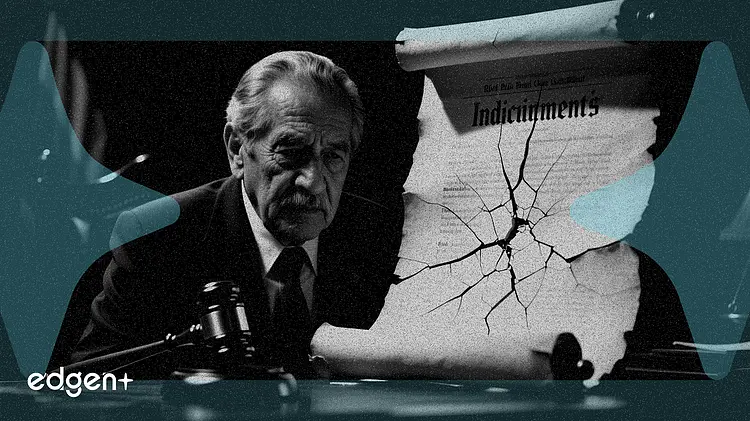
Bộ Tư pháp Hoa Kỳ hôm thứ Tư đã công bố bản cáo trạng chống lại Raúl Castro, 94 tuổi, cáo buộc ông và năm cựu sĩ quan quân đội Cuba khác về vụ sát hại bốn người Mỹ vào năm 1996. Động thái này, được công bố vào Ngày Độc lập của Cuba, kết nối trực tiếp cựu bộ trưởng quốc phòng với một cuộc tấn công đã làm căng thẳng quan hệ Mỹ-Cuba trong ba thập kỷ và báo hiệu một sự leo thang mạnh mẽ trong chiến lược thay đổi chế độ của chính quyền Trump.
"Trong gần 30 năm qua, gia đình của bốn người Mỹ bị sát hại đã chờ đợi công lý," Quyền Bộ trưởng Tư pháp Todd Blanche phát biểu tại một cuộc họp báo ở Miami. "Các quốc gia và nhà lãnh đạo của họ không thể được phép nhắm mục tiêu vào người Mỹ, giết hại họ mà không phải đối mặt với trách nhiệm giải trình. Nếu bạn giết người Mỹ, chúng tôi sẽ truy đuổi bạn, bất kể bạn là ai."
Bản cáo trạng buộc tội Castro âm mưu giết hại công dân Hoa Kỳ, bốn tội danh giết người và hai tội danh phá hủy máy bay. Vụ việc diễn ra vào ngày 24 tháng 2 năm 1996, liên quan đến các máy bay MiG-29 của Cuba bắn vào hai máy bay Cessna không vũ trang do Brothers to the Rescue điều hành, một nhóm lưu vong có trụ sở tại Miami thực hiện các nhiệm vụ nhân đạo tìm kiếm những người tị nạn trên bè. Cuộc tấn công đã giết chết Carlos Costa, Armando Alejandre Jr., Mario de la Peña và Pablo Morales trong vùng không phận quốc tế, theo kết luận từ các báo cáo của Liên Hợp Quốc và Ủy ban Nhân quyền liên Mỹ.
Thời điểm của bản cáo trạng là rất quan trọng, diễn ra khi Cuba đối mặt với sự sụp đổ kinh tế thảm khốc. Sau khi Mỹ bắt giữ Tổng thống Venezuela Nicolás Maduro, chính quyền Trump đã áp đặt một lệnh phong tỏa năng lượng nghiêm ngặt dẫn đến tình trạng cắt điện luân phiên thường xuyên vượt quá 20 giờ mỗi ngày. Bằng cách truy tố Castro, Washington đang tăng cường áp lực lên Havana, với một số nhà phân tích cho rằng điều này đặt nền móng chính trị cho hành động quân sự tiềm tàng, một canh bạc rủi ro cao chỉ vài tháng trước cuộc bầu cử giữa nhiệm kỳ của Hoa Kỳ.
Các cáo buộc đại diện cho một chiến thắng đáng kể cho gia đình các nạn nhân và các nhà lập pháp người Mỹ gốc Cuba, những người từ lâu đã yêu cầu trách nhiệm giải trình. "Chúng tôi vô cùng hy vọng và biết ơn vì cuối cùng con cái chúng tôi đã được nhìn nhận như những con người bị sát hại dưới một chế độ độc tài," Miriam de la Peña, mẹ của một trong những nạn nhân, cho biết.
Chính phủ Cuba ngay lập tức lên án bản cáo trạng là một sự bịa đặt. Chủ tịch Miguel Díaz-Canel cáo buộc Hoa Kỳ "dối trá và thao túng các sự kiện" để "biện minh cho sự điên rồ của một cuộc xâm lược quân sự chống lại Cuba". Ông duy trì quan điểm rằng các máy bay đã bị bắn hạ để tự vệ sau khi vi phạm không phận Cuba, một tuyên bố mâu thuẫn với các cuộc điều tra quốc tế.
Áp lực gia tăng lên nền kinh tế Cuba đang suy kiệt
Hành động pháp lý này diễn ra giữa một trong những cuộc khủng hoảng kinh tế tồi tệ nhất trong lịch sử gần đây của Cuba. Lệnh phong tỏa các chuyến hàng nhiên liệu của Hoa Kỳ, một phần quan trọng trong chiến lược của Tổng thống Trump sau khi lật đổ đồng minh của Cuba tại Venezuela, đã làm tê liệt lưới điện của hòn đảo. Người dân ở Havana báo cáo về một tình trạng tuyệt vọng với sự thiếu hụt lương thực, nước và điện, tạo ra một môi trường dễ biến động mà Nhà Trắng có thể hy vọng tận dụng.
"Lý do thực sự khiến bạn không có điện, nhiên liệu hay thực phẩm là vì những kẻ kiểm soát đất nước của bạn đã vơ vét hàng tỷ đô la," Ngoại trưởng Marco Rubio nói trong một thông điệp video gửi tới người dân Cuba.
Các nhà phân tích chia rẽ về hiệu quả tiềm năng của bản cáo trạng. William Leogrande, một chuyên gia tại Đại học American, gọi đây là một "món quà chính trị" cho cơ sở Đảng Cộng hòa của Trump ở Nam Florida và "có khả năng là chiếc đinh cuối cùng đóng vào cỗ quan tài cho bất kỳ hy vọng nào về một thỏa thuận ngoại giao". Những người khác, như Peter Kornbluh của Lưu trữ An ninh Quốc gia, lưu ý rằng tiền lệ truy tố và sau đó bắt giữ Maduro của Venezuela có nghĩa là chế độ Castro sẽ "không còn lựa chọn nào khác ngoài việc thực hiện mối đe dọa này một cách cực kỳ nghiêm túc".
Trong khi ít người mong đợi Castro 94 tuổi sẽ bị dẫn độ, Blanche đã đưa ra một cảnh báo trực tiếp. "Đã có một lệnh bắt giữ được ban hành đối với ông ta," ông nói. "Vì vậy, chúng tôi hy vọng rằng ông ta sẽ xuất hiện ở đây, theo ý chí của chính mình hoặc bằng một cách khác."
Bài viết này chỉ dành cho mục đích thông tin và không cấu thành lời khuyên đầu tư.