
The fragile ceasefire in the Middle East was thrown into doubt on April 8 after a top US general declared the pause in fighting a “temporary suspension,” signaling a readiness to resume combat at any time.
The fragile ceasefire in the Middle East was thrown into doubt on April 8 after a top US general declared the pause in fighting a “temporary suspension,” signaling a readiness to resume combat at any time.
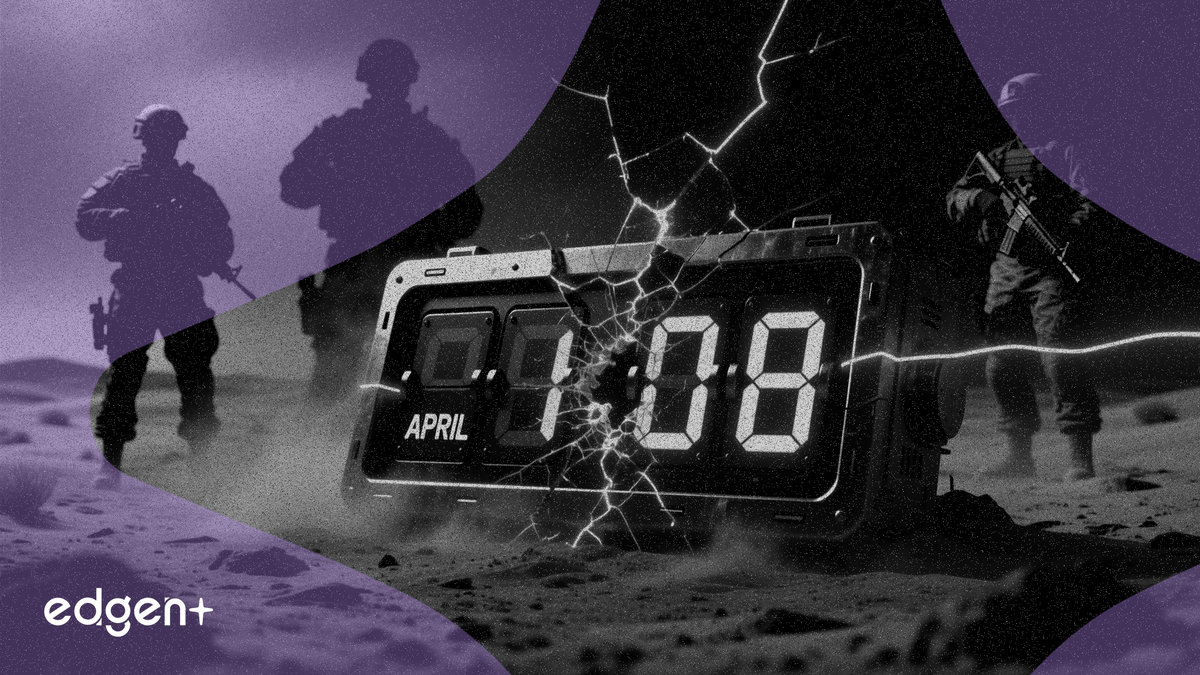
A top US general’s declaration that the current ceasefire with Iran is merely a “temporary suspension” sent fresh jitters through global markets on April 8, pushing North Sea Brent crude back above $110 a barrel. The statement undermines hopes for a lasting de-escalation and suggests the conflict that has shaken the global economy is far from over.
“The US military's objectives against Iran have been achieved, the ceasefire is a temporary suspension, and the military is ready to resume combat,” US Chairman of the Joint Chiefs of Staff, Kane, said at a press conference on April 8, according to the Xinhua News Agency.
The comments immediately amplified risk-off sentiment. Brent crude climbed 1.16 percent to $110.30 a barrel, while West Texas Intermediate rose 1.86 percent to $113.62. The warning of renewed conflict puts pressure on global equity markets, which have been rattled by the war for over five weeks, while benefiting defense-related stocks and safe-haven assets.
At stake is the stability of a region responsible for a significant portion of the world’s energy supply. The UAE and Bahrain have already urged the UN Security Council to act on the Strait of Hormuz, calling the situation a “direct threat to global stability, food and energy security,” according to a UAE Mission to the UN post. Any resumption of large-scale hostilities could lead to a significant spike in energy prices, further straining a global economy already facing headwinds.
The general's comments come after a series of attacks across the region underscored the fragility of the truce. On April 6, Iran launched missile strikes on more than 10 locations in the Israeli city of Haifa, killing at least two people. In the UAE, Iranian drones targeted the Du telecommunications building in Fujairah, and falling debris from an intercepted projectile injured four people at the Khor Fakkan port.
The violence has been widespread, with Israeli strikes on Lebanon killing at least 15 people and US-Israeli strikes reportedly killing 13 people, including six children, in and around Tehran. The escalating conflict has already disrupted global travel and commerce, with Air India suspending flights to Israel until May 31 and budget carrier AirAsia X warning of fare hikes due to surging oil prices.
Beneath the military exchanges, the conflict may be accelerating a fundamental change within the Iranian state. Analysis suggests that rather than collapsing under pressure, the Islamic Republic is hardening into a clerical-military junta, with power concentrating in the hands of Revolutionary Guard commanders and intelligence officials. For this security elite, a prolonged conflict provides the justification to eliminate internal opposition under the guise of national security.
According to a recent analysis in the Jerusalem Post, the regime is redirecting the "profound sense of humiliation" from Israeli and American military actions inward, intensifying domestic repression. This internal dynamic suggests Tehran may have little incentive to seek a permanent peace. The regime’s leadership, driven by an ideology that views confrontation with the West as a historical struggle, is unlikely to accept a new regional order that would amount to an existential defeat for its revolutionary identity.
The economic consequences are becoming impossible to ignore. With Brent crude topping $110, the war continues to squeeze global energy supplies. The threat of renewed fighting introduces significant uncertainty for investors and corporations. The statement from AirAsia X co-founder Tony Fernandes that the airline will raise fares and cut flights is a clear signal of how the conflict translates directly into higher costs for businesses and consumers.
For many observers, the key question is whether the current pressure will lead to a fundamental political change in Iran. If the conflict subsides without such a transformation, the regime could claim a propaganda victory, solidifying the authority of its hardline military apparatus. General Kane’s statement on April 8 serves as a stark reminder that for the US military, the mission is not necessarily over, and for the markets, the period of heightened geopolitical risk continues.
This article is for informational purposes only and does not constitute investment advice.