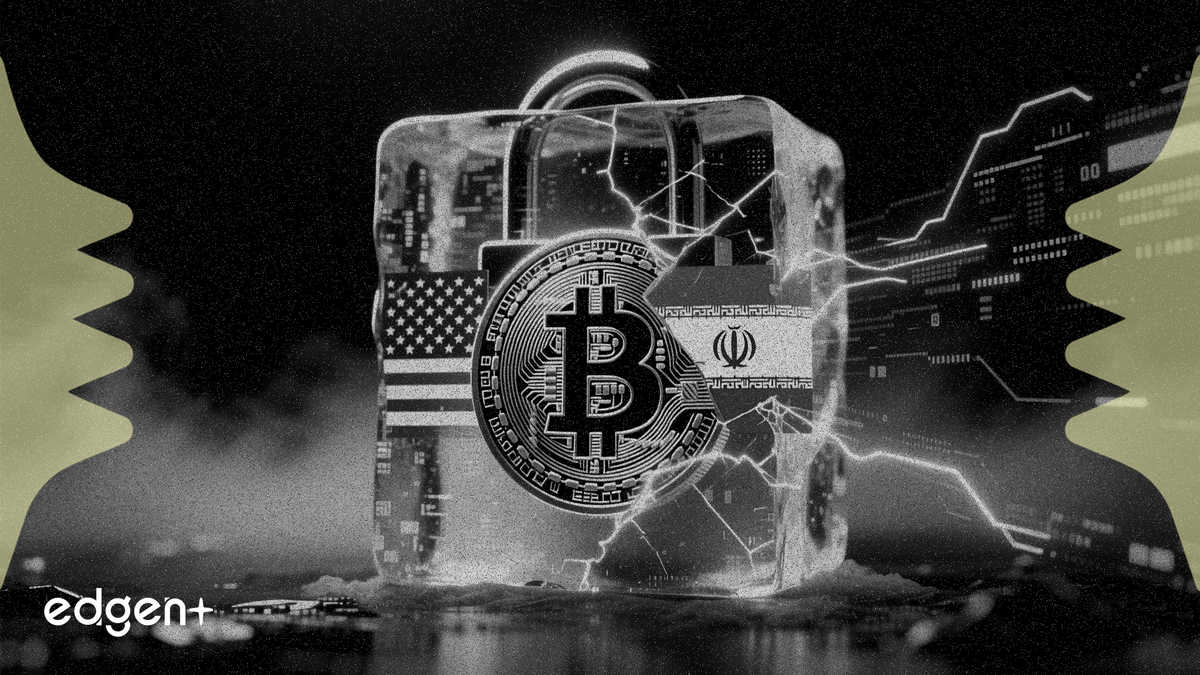
El Departamento del Tesoro de EE. UU. ha congelado aproximadamente 344,2 millones de dólares en monedas estables Tether (USDT) tras sancionar dos monederos de criptomonedas vinculados directamente al Banco Central de Irán. La acción, tomada el 24 de abril de 2026, representa una escalada significativa en el uso de sanciones contra las tenencias estatales de moneda digital y es la mayor incautación de criptoactivos vinculados al estado iraní hasta la fecha.
"Tether trabajó estrechamente con la OFAC y las fuerzas del orden de EE. UU. para bloquear los fondos", dijo TRM Labs, una firma de inteligencia de blockchain, en un informe sobre la acción. Según la Oficina de Control de Activos Extranjeros (OFAC) del Tesoro, los monederos sancionados también estaban conectados al Cuerpo de la Guardia Revolucionaria Islámica-Fuerza Qods (IRGC-QF) y su apoderado, Hezbolá.
Los datos de blockchain revisados por TRM Labs muestran que las dos direcciones habían acumulado casi 370 millones de dólares a través de casi 1,000 depósitos separados desde marzo de 2021. Las salidas totalizaron solo unos 25 millones de dólares, o menos del 7 por ciento de las entradas totales, con las transferencias externas más grandes moviéndose a otra dirección dentro de la misma red en lugar de a un intercambio reconocido. Este patrón sugiere que los monederos se utilizaron como bóvedas de reserva a largo plazo, no para operaciones diarias.
La medida significa un cambio estratégico en la política de sanciones de EE. UU., yendo más allá de los intercambios de criptomonedas e intermediarios para apuntar directamente a los activos de reserva soberanos en la cadena de bloques. Para las instituciones financieras, la acción requiere una revisión urgente de la exposición de la contraparte para garantizar que no haya contacto directo o indirecto con las direcciones sancionadas.
Un giro en la estrategia de sanciones
Este es el primer caso en que la OFAC sanciona monederos de criptomonedas pertenecientes al banco central de una nación. El bajo nivel de actividad de los monederos, con una dirección que no registró ninguna transferencia saliente, respalda el análisis de que estaban destinados al almacenamiento a largo plazo, aislando los fondos estatales de las sanciones del sistema financiero tradicional. La acumulación en los monederos cesó en gran medida a finales de 2023, y permanecieron inactivos hasta la acción de ejecución.
La incautación es parte de una campaña más amplia de EE. UU. para contrarrestar el uso de criptomonedas por parte de Irán para evadir las sanciones económicas. En enero de 2026, la OFAC incluyó en la lista negra dos intercambios registrados en el Reino Unido, Zedcex y Zedxion, después de que TRM Labs identificara alrededor de 1,000 millones de dólares en flujos de monedas estables conectados a cuentas controladas por el IRGC. A pesar de estos esfuerzos, la economía cripto doméstica de Irán sigue siendo sustancial, con volúmenes de negociación que alcanzaron los 10,000 millones de dólares en 2025, según TRM Labs.
La acción envía una señal clara de que el Departamento del Tesoro está preparado para tratar las tenencias de reserva en cadena con el mismo nivel de escrutinio que los activos mantenidos en cuentas bancarias tradicionales. A medida que más naciones exploran las monedas digitales para las estrategias financieras estatales, los reguladores están demostrando su capacidad para seguir el dinero en la propia cadena de bloques.
Este artículo es solo para fines informativos y no constituye asesoramiento de inversión.