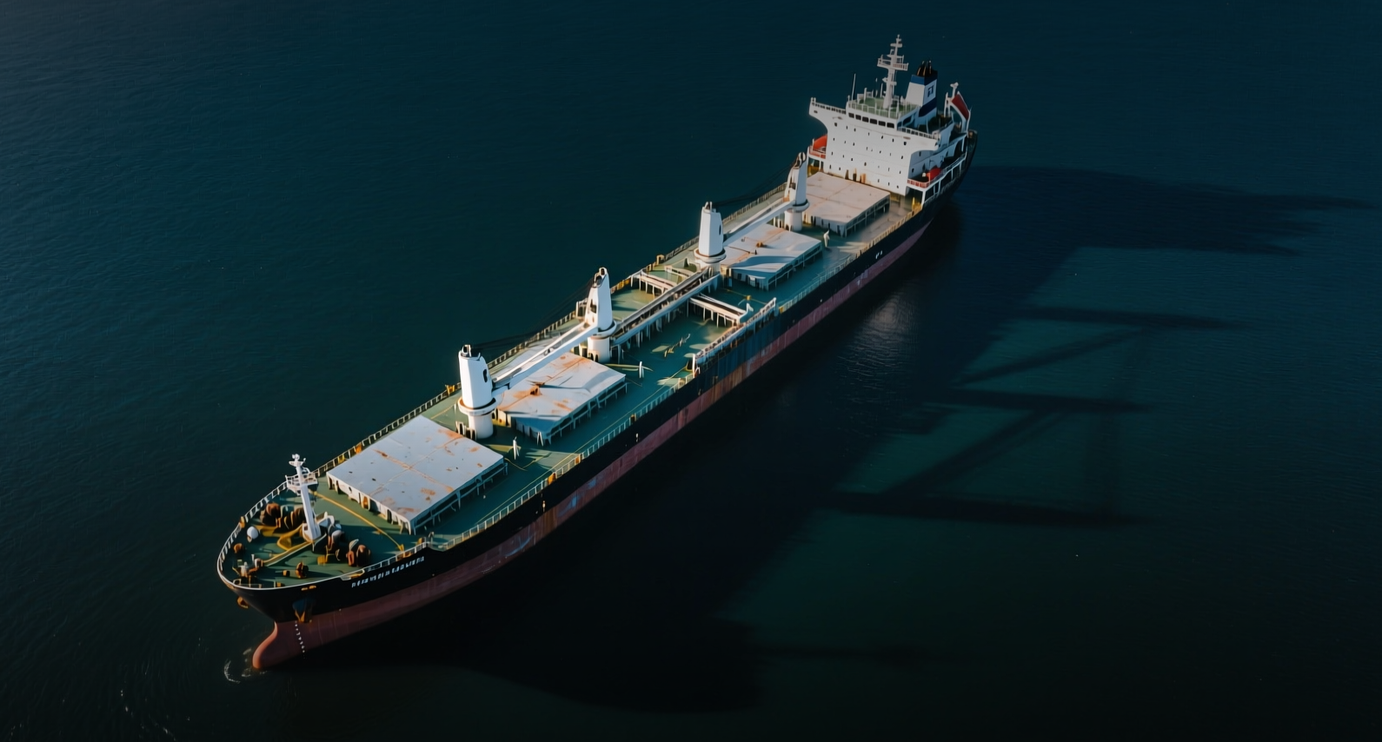
The US military is escorting oil and natural gas tankers through a strategic strait as the Iran conflict escalates, Energy Secretary Chris Wright said Wednesday, a deployment that underscores the growing threat to global energy supply chains from the widening war.
"The security of energy transit routes is now a direct military priority," Wright said during a press conference in Washington. "We are ensuring that oil and gas continue to flow through these critical chokepoints."
The announcement comes as Brent crude has swung wildly in recent weeks, with prices falling more than 7% on reports that the US and Iran were nearing a deal to end hostilities, only to reverse those losses as negotiations stalled. Iran has demanded control over both lanes of the Strait of Hormuz and rejected a voluntary-fee plan proposed by Oman, according to reports. President Donald Trump has said the war is "finishing soon," though the market has shown little confidence in that assessment.
The Strait of Hormuz is one of the world's most critical energy chokepoints, handling about 20 million barrels of oil per day — roughly a fifth of global consumption. Any sustained disruption could push crude prices sharply higher, feeding through to gasoline costs for US consumers ahead of the Labor Day holiday. Wright said it is not possible to forecast where gas prices will be by then.
The $100 Billion Energy Bet
In a separate development, Wright announced that NextEra Energy and Brookfield Asset Management are building a $100 billion data center campus on federal lands. The facility will be powered by a combination of nuclear and natural gas generation and will provide its own water supply, addressing two of the biggest constraints facing the AI infrastructure boom: power availability and water for cooling.
The project represents one of the largest single energy infrastructure investments in US history and signals a shift toward colocating massive computing capacity with dedicated power generation. For natural gas producers, the data center buildout offers a new demand driver at a time when power-sector consumption of gas has been rising steadily. For the nuclear industry, it provides a template for pairing reactors with large industrial customers.
What's at Stake
The convergence of these two stories — a military escort for oil tankers and a record data center investment — captures the dual pressures facing US energy policy. On one side, the Iran war threatens supply routes that have been secure for decades, raising the specter of $100-plus oil and higher inflation. On the other, the AI revolution is driving an insatiable demand for electricity that will require every available source of generation.
If the Strait of Hormuz is disrupted for an extended period, the economic consequences would ripple far beyond the energy sector. The last time a major chokepoint was threatened — during the 2019 attacks on Saudi Aramco's Abqaiq facility — oil prices spiked 15% in a single day. A prolonged closure of the strait could push the global economy into recession, according to analysts.
For investors, the message is clear: energy security and energy infrastructure are now the same conversation. Companies with exposure to domestic natural gas production, nuclear power, and energy infrastructure stand to benefit from both the supply-side crisis and the demand-side buildout.
This article is for informational purposes only and does not constitute investment advice.