
The disabling of an Iranian oil tanker by a US fighter jet escalates a two-month conflict that has already choked off a vital global oil artery and sent fuel prices soaring.
The disabling of an Iranian oil tanker by a US fighter jet escalates a two-month conflict that has already choked off a vital global oil artery and sent fuel prices soaring.
The disabling of an Iranian oil tanker by a US fighter jet escalates a two-month conflict that has already choked off a vital global oil artery and sent fuel prices soaring.
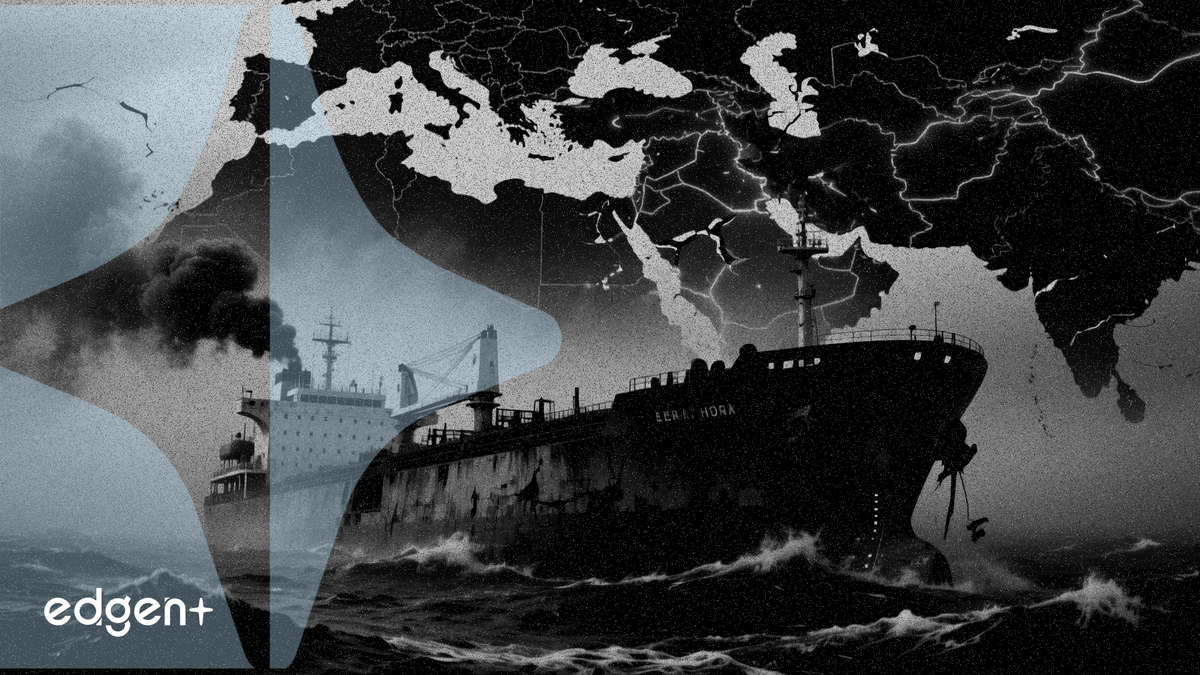
A US fighter jet disabled an Iranian oil tanker in the Gulf of Oman on Wednesday, with U.S. Central Command stating the vessel attempted to breach a naval blockade that has halted most of Iran's maritime traffic and driven Brent crude prices to around $100 a barrel.
"The U.S. blockade against ships attempting to enter or depart Iranian ports remains in full effect,” U.S. Central Command said in a statement. “CENTCOM forces continue to act deliberately and professionally to ensure compliance.”
The M/T Hasna was struck by 20mm cannon rounds from an F/A-18 Super Hornet after ignoring warnings, disabling its rudder. This action is part of a broader US blockade that began April 13 and has since ordered 52 commercial vessels to turn back from Iranian ports. The effective closure of the Strait of Hormuz has roiled energy markets, with Brent crude prices jumping from a pre-war level of about $70 a barrel.
The incident threatens a fragile ceasefire in place since April 8 and raises the risk of a wider conflict that could further disrupt the 21% of global oil trade that passes through the Strait of Hormuz. With shipping giant Hapag-Lloyd reporting weekly losses of $60 million due to the shutdown, the pressure is mounting on international mediators, including China, to broker a deal and avert a deeper global economic shock.
As military tensions rise, diplomatic pressure is intensifying. Chinese Foreign Minister Wang Yi called for a “comprehensive ceasefire” in a meeting with his Iranian counterpart, Abbas Araghchi, in Beijing, stating his country was “deeply distressed” by the conflict that began February 28. China, a major importer of Iranian oil, holds a unique position of influence and is being pressed by the U.S. to help mediate a resolution.
The economic consequences of the blockade are becoming increasingly severe. Global shipping lines face soaring fuel and insurance costs. Hapag-Lloyd said in a statement that the strait's closure is costing it around $60 million per week. The spot price of Brent crude, the international benchmark, eased to around $100 per barrel on Wednesday but remains significantly elevated from its pre-war price of approximately $70 a barrel.
This article is for informational purposes only and does not constitute investment advice.
