
Trump yönetimi, Çin'in yirmi yıllık hedefli ekonomik stratejisiyle bağlantılı derin savunmasızlıkları belirleyerek, ABD savunma tedarik zincirini denetlemek için yapay zekayı kullanıyor.
Trump yönetimi, Çin'in yirmi yıllık hedefli ekonomik stratejisiyle bağlantılı derin savunmasızlıkları belirleyerek, ABD savunma tedarik zincirini denetlemek için yapay zekayı kullanıyor.
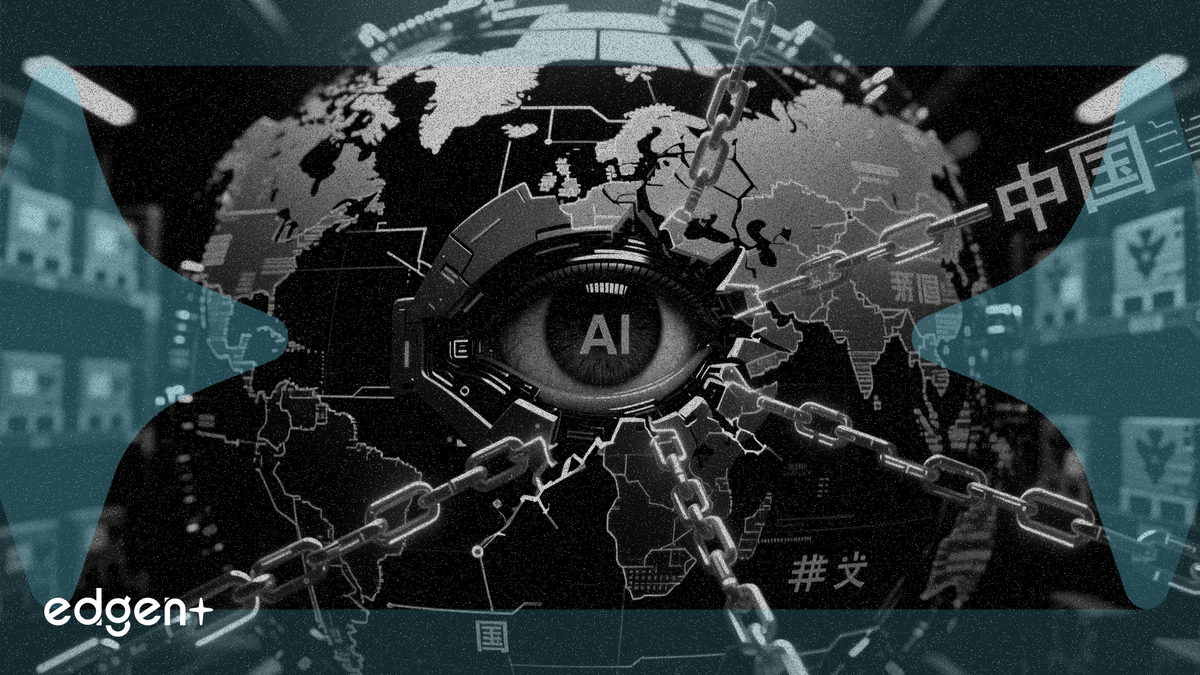
Trump yönetimi, bir uzmanın Çin'in yirmi yıllık ekonomik savaşının sonucu olarak nitelendirdiği durumun izini sürerek, ABD askeri tedarik zinciri içindeki kritik savunmasızlıkları ortaya çıkarmak için yapay zekayı kullanıyor. Yapay zeka destekli denetim, temel silah sistemleri içindeki Çin kaynaklı malzemeler ve tedarikçilerle bağlantılı köklü riskleri işaretleyerek yapay zeka denetimi konusunda bir politika değişikliğini zorunlu kıldı.
Tedarik zinciri analitiği firması Exiger'in CEO'su Brandon Daniels yakın zamanda verdiği bir röportajda, "Çin'in son 20 yıldır hedef aldığı büyük ve kalın bir üretim orta katmanı var" dedi. Firmasının yapay zeka platformu, ABD ordusu için kritik bileşenlerin menşeini izlemek amacıyla kullanılıyor.
Analiz, ABD'nin bir zamanlar demir ve magnezyum dökümleri gibi temel savunma bileşenleri için 360'tan fazla üreticiye sahip olduğu yerlerde, bu sayının son on yılda 120'nin altına düştüğünü ortaya koydu. Bu düşüş, Anthropic ve Palantir gibi şirketlerin yapay zeka modellerinin hem lojistik analiz hem de savaş alanı hedeflemesi için Pentagon tarafından devasa miktarda veriyi taramak için kullanıldığı bir dönemde gerçekleşiyor.
Tedarik zincirini güvence altına alma çabası, yönetim için keskin bir gerilimi vurguluyor: Yapay zekayı ulusal güvenlik için kullanırken aynı zamanda felaket potansiyeli taşıyan risklerini kontrol etmeye çalışmak. Bu durum, yönetimin daha önce aşırı düzenleme olarak nitelendirdiği gelişmiş yapay zeka için hükümet güvenlik testlerinin aniden benimsenmesine yol açtı.
### Yapay Zeka Denetiminde Yeni Bir Dönem mi?
Yönetimin fikir değiştirmesi, önde gelen yapay zeka firması Anthropic'in "Mythos" adlı en son modelini kamuoyuna açıklamayacağını duyurmasının ardından geldi. Şirketin dahili testleri, modelin siber güvenlik açıklarını bulmada o kadar güçlü olduğunu ve kötü niyetli kişiler tarafından küresel bilgisayar sistemlerini tehlikeye atmak için silahlandırılabileceğini gösterdi. Olayın Beyaz Saray'ı korkuttuğu ve Google DeepMind, Microsoft ve xAI ile en gelişmiş modellerinin hükümet tarafından güvenlik kontrollerine izin verilmesi için anlaşmalar yapmaya ittiği bildirildi.
Yeni politika, yeniden markalanan Yapay Zeka Standartları ve İnovasyon Merkezi'ne (CAISI) öncü yapay zeka modellerini ulusal güvenlik riskleri açısından değerlendirme yetkisi veriyor. Ancak eleştirmenler, sadece 10 milyon dolarlık bir bütçeye sahip olan CAISI'nin, milyarlarca dolarlık araştırma bütçelerine sahip firmaların gizli ve karmaşık sistemlerini değerlendirmek için yeterince finanse edilip edilmediğini veya donatılıp donatılmadığını sorguluyor. Eski Beyaz Saray siber politika direktörü Devin Lynch, LinkedIn'de "Yetenek değerlendirmeleri ancak arkalarındaki tehdit modelleri kadar iyidir" diyerek CAISI'nin hangi standartları kullanacağını sorguladı.
### Öldürme Zincirinde Yapay Zeka
Yapay zeka güvenliği konusundaki tartışmalar, yapay zekanın savaş alanındaki hızlı benimsenmesine paralel ilerliyor. CNN'in yakın tarihli bir raporuna göre, İran ile devam eden çatışmada ABD ordusu yapay zekayı önceki tüm savaşlardan daha fazla kullandı. Palantir gibi yüklenicilerin yazılımları, uydu ve sinyal istihbaratını tarayarak komutanlara hedefler öneriyor ve gözlemleme, yönlendirme, karar verme ve harekete geçme şeklindeki "OODA döngüsünü" önemli ölçüde hızlandırıyor.
Savunma Bakanı Pete Hegseth, "kararları insanların verdiğini" vurgulasa da, yapay zeka destekli hedeflemenin hızı yeni yasal ve etik soruları beraberinde getiriyor. Pentagon, Anthropic'in teknolojisinin nasıl kullanılabileceğine dair sınırlar koyma konusundaki ısrarı nedeniyle şirketle kamuya açık bir anlaşmazlık içinde; Hegseth firmanın duruşunu eleştiriyor. Bu çatışma temel zorluğun altını çiziyor: Ordu, bir avantajı korumak için yapay zeka ile mümkün olduğunca hızlı hareket etmek isterken, en güçlü yapay zeka sistemlerinin yaratıcıları sonuçlar konusunda giderek daha fazla endişe duyuyor.
Durum yatırımcılar için istikrarsız bir ortam yaratıyor. Savunma ve teknoloji sektörlerinde Çin ile yüksek riskli tedarik zinciri bağları olan şirketler önemli zorluklarla karşılaşabilir. Buna karşılık, yapay zeka odaklı güvenlik ve tedarik zinciri analizi sağlayan Exiger gibi firmalar talepte bir artış görebilir. Yönetimin bu hamlesi, Microsoft ve Google gibi devlerin yanı sıra uzmanlaşmış savunma yüklenicilerini de etkileyerek tüm yapay zeka endüstrisi için düzenlemeleri yeniden şekillendirebilecek yeni ve daha müdahaleci bir yaklaşımın sinyalini veriyor.
Bu makale sadece bilgilendirme amaçlıdır ve yatırım tavsiyesi teşkil etmez.
