
A looming credit crisis threatens the U.S. economy as government-backed student and mortgage loans show escalating signs of distress, with FHA re-defaults nearing 60 percent.
A looming credit crisis threatens the U.S. economy as government-backed student and mortgage loans show escalating signs of distress, with FHA re-defaults nearing 60 percent.
(P1) A brewing credit bubble in U.S. government-backed debt is showing signs of strain, as nearly two-thirds of recent Federal Housing Administration (FHA) borrowers have risky debt-to-income ratios and only 30 percent of the government's $1.7 trillion student-loan portfolio is actively being repaid. The situation, exacerbated by the end of pandemic-era payment pauses, points to rising defaults that could ripple through the economy.
(P2) "Student loan delinquency is increasingly intertwined with distress across other credit markets," the Urban Institute noted in a recent report, highlighting how borrowers took on more auto and mortgage debt during the payment freezes.
(P3) The share of FHA borrowers with debt-to-income ratios over a risky 43 percent rose to 64 percent in 2024, up from 55 percent in 2019. Meanwhile, with the end of the Saving on a Valuable Education (SAVE) repayment plan, millions of student borrowers must navigate a complex transition to new plans, many after not making payments for over six years. An FHA report from December noted that 55 percent of borrowers who received mortgage relief in 2024 fell behind again within one year.
(P4) The convergence of rising delinquencies in both student and housing debt poses a significant risk to the U.S. economy. As foreclosures increase, particularly in southern markets where home prices are already falling, a wave of underwater mortgages could depress the housing sector and leave taxpayers shouldering substantial losses, potentially triggering a wider economic contraction.
The federal student loan system is undergoing a massive overhaul following the end of the Biden-era SAVE plan. As of December 2025, nearly 7.2 million borrowers were enrolled in the plan, but courts have since blocked it. Now, these borrowers must choose a new income-driven repayment (IDR) plan within 90 days of being contacted by their servicer or be moved to a standard 10-year plan.
The One Big Beautiful Bill Act (OBBBA) is further shaking up the landscape, sunsetting the PAYE and ICR plans by July 2028 and introducing a new Repayment Assistance Plan (RAP) after July 1, 2026. "Borrowers need to be thinking both short-term and long-term," said Betsy Mayotte, president of the Institute of Student Loan Advisors. "For some people, that means getting the lowest payment possible and gunning for forgiveness." The problem is that many borrowers, accustomed to the payment pause, have taken on other debts, with the Urban Institute noting the share of delinquent student borrowers with a mortgage nearly doubled from 8 percent in 2019 to 15 percent in 2025.
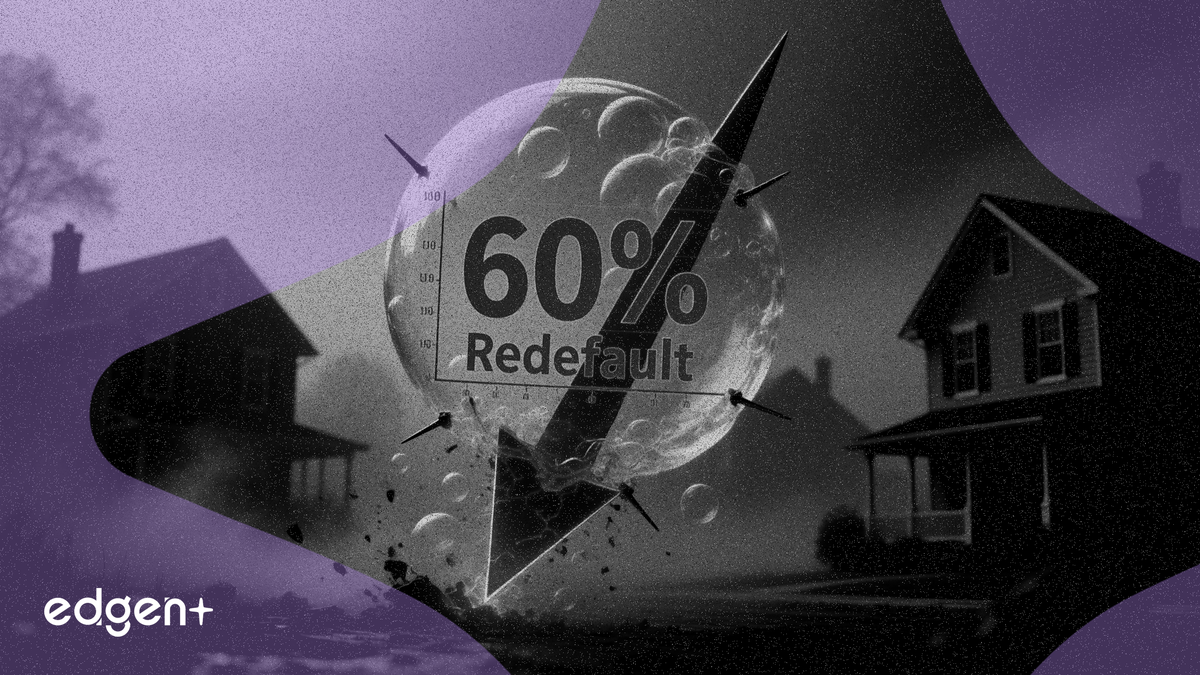
The pressure in the student loan market is spilling directly into housing. Many FHA borrowers used the liquidity from the student-loan payment pause to qualify for mortgages. Now, with those payments resuming, defaults are mounting. An FHA report highlighted a re-default rate approaching 60 percent, which it called "unsustainable."
The situation is worsened by the fact that 46 percent of borrowers in default as of last September had previously defaulted at least three times. The Trump administration's move last fall to restrict mortgage workouts to once every two years has caused foreclosures to shoot up. This is particularly concerning as one-sixth of borrowers who took out FHA mortgages in 2024 now owe more than their home is worth, creating a significant risk of a broader housing downturn if the economy slows.
This article is for informational purposes only and does not constitute investment advice.