
A high-stakes visit by top American CEOs to Beijing is being complicated by White House indecision and escalating geopolitical rhetoric just one week before the summit.
A high-stakes visit by top American CEOs to Beijing is being complicated by White House indecision and escalating geopolitical rhetoric just one week before the summit.
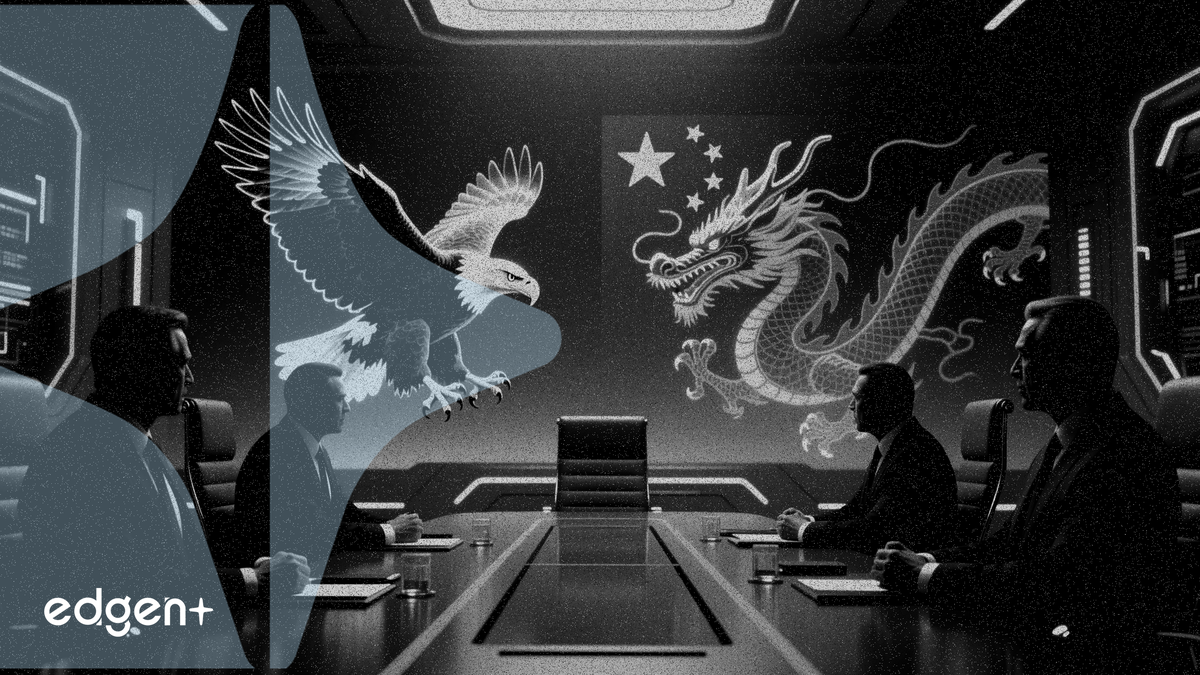
A high-stakes visit by top American CEOs to Beijing is being complicated by White House indecision and escalating geopolitical rhetoric just one week before the summit.
The Trump administration is inviting CEOs from at least eight major US firms, including Apple and Nvidia, to join a presidential visit to China on May 14, attempting to balance corporate interests with a hardline stance on trade. The two-day trip will be the first U.S. presidential visit to the country since 2017 and is intended to build on President Donald Trump’s relationship with Chinese President Xi Jinping.
"There are still CEOs waiting to find out if they will be part of the president's trip," Sean Stein, president at the US-China Business Council, told Politico, highlighting the last-minute confusion.
The chaotic rollout underscores a deep division within the administration on engaging with its largest economic rival. While officials like Treasury Secretary Scott Bessent have suggested a broad contingent of executives, others, including U.S. Trade Representative Jamieson Greer, have pushed for a smaller group, according to reports. The indecision has left executives from companies including Exxon, Qualcomm, Blackstone, and Visa in limbo just days before the trip.
For companies caught in the middle, the stakes are enormous. Boeing CEO Kelly Ortberg said in April he hopes the administration can help finalize a long-awaited large aircraft order from China. Apple’s Tim Cook, who has cultivated a positive relationship with Trump through two terms, is set to transition from CEO to executive chairman in 2026 specifically to "assist with... engaging with policymakers around the world." His past efforts include a $1 million donation to Trump's 2025 inaugural fund.
While Citigroup CEO Jane Fraser has reportedly received an invitation, Nvidia’s Jensen Huang has not, despite telling reporters it would be a "great honor" to join the delegation. "We should let the president announce what he decides to announce," Huang said.
The corporate diplomacy push comes against a backdrop of renewed geopolitical friction. Ahead of the summit, Beijing has forcefully reiterated its stance on Taiwan. "The Taiwan question is at the core of China’s core interests and the bedrock of the political foundation of China-U.S. relations," Foreign Ministry spokesman Lin Jian said Thursday. He urged the U.S. to abide by the "one China principle" as a prerequisite for a stable relationship.
The last time a similar high-level CEO delegation accompanied a president to China, it resulted in billions of dollars in announced deals. However, the current climate of uncertainty, marked by internal White House debates and sharp warnings from Beijing, suggests that securing concrete wins for the more than eight companies involved will be a significant challenge.
This article is for informational purposes only and does not constitute investment advice.

