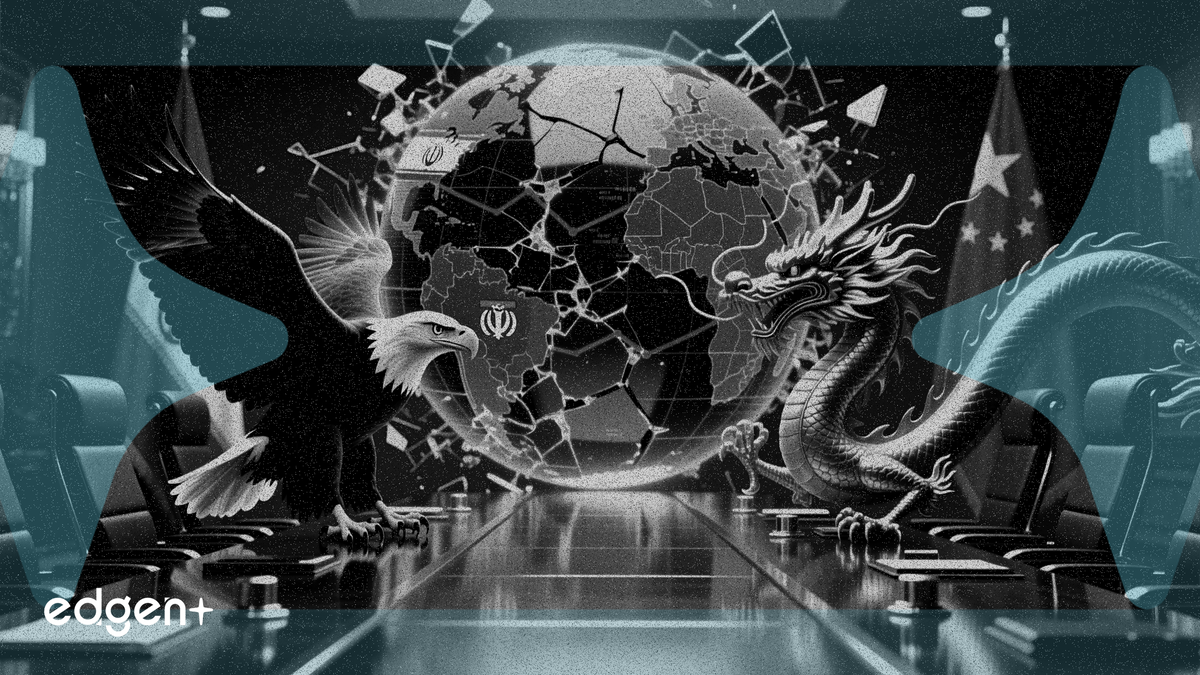
US Reschedules High-Stakes Summit for May 14-15
The White House announced on March 25 that President Donald Trump will meet with Chinese President Xi Jinping in Beijing on May 14 and 15. The summit is a rescheduled attempt at high-stakes diplomacy after an original meeting planned for late March was postponed. President Trump delayed the trip to manage the US and Israeli war against Iran, which commenced with attacks on February 28.
Despite the ongoing conflict, the White House signaled optimism that it could conclude before the new summit dates. Press Secretary Karoline Leavitt stated, “We’ve always estimated four to six weeks,” suggesting a potential endgame. The original agenda, which included extending a fragile trade truce and discussing semiconductors and Taiwan, remains critical for investors monitoring the relationship between the world's two largest economies.
China Expands Influence as US Focus Remains on Iran
While US resources are concentrated on the Middle East, Beijing is advancing its own economic and geopolitical ambitions. China has hosted at least seven world leaders in the past three months, including officials from the UK, Germany, and Canada, signaling a realignment of global partnerships. This diplomatic push is paired with significant economic moves, including a plan to implement a zero-tariff agreement on imports from 53 African countries later this year.
This strategy unfolds against a complex domestic economic backdrop. China's foreign direct investment fell 5.7% year-on-year in January, yet the nation recorded a record $1.2 trillion trade surplus in 2025. Chinese officials have publicly pledged to open the economy further, but Beijing is also pursuing a five-year plan to achieve technological supremacy over the United States, particularly in AI, aiming to reduce its dependence on American supply chains.
Dual Chokepoint Crisis Adds 10-14 Days to Shipping Routes
The war in Iran has intensified pressure on two critical maritime chokepoints—the Strait of Hormuz for energy and the Bab el-Mandeb strait for trade—creating a dual crisis for global logistics. Rerouting container traffic from Asia to Europe around the Cape of Good Hope adds 10 to 14 days to transit times, sharply increasing freight, fuel, and insurance costs. This disruption directly threatens the export-driven economies of China, Japan, and South Korea, which are built on just-in-time supply chains.
The economic fallout disproportionately affects nations with higher macroeconomic fragility. Countries like India, Pakistan, and Turkey, which are heavily reliant on energy imports and have limited fiscal space, face heightened risks of inflation and currency weakness. For investors, the May summit represents a crucial event that could either de-escalate global trade tensions or magnify market volatility if the leaders fail to find common ground.