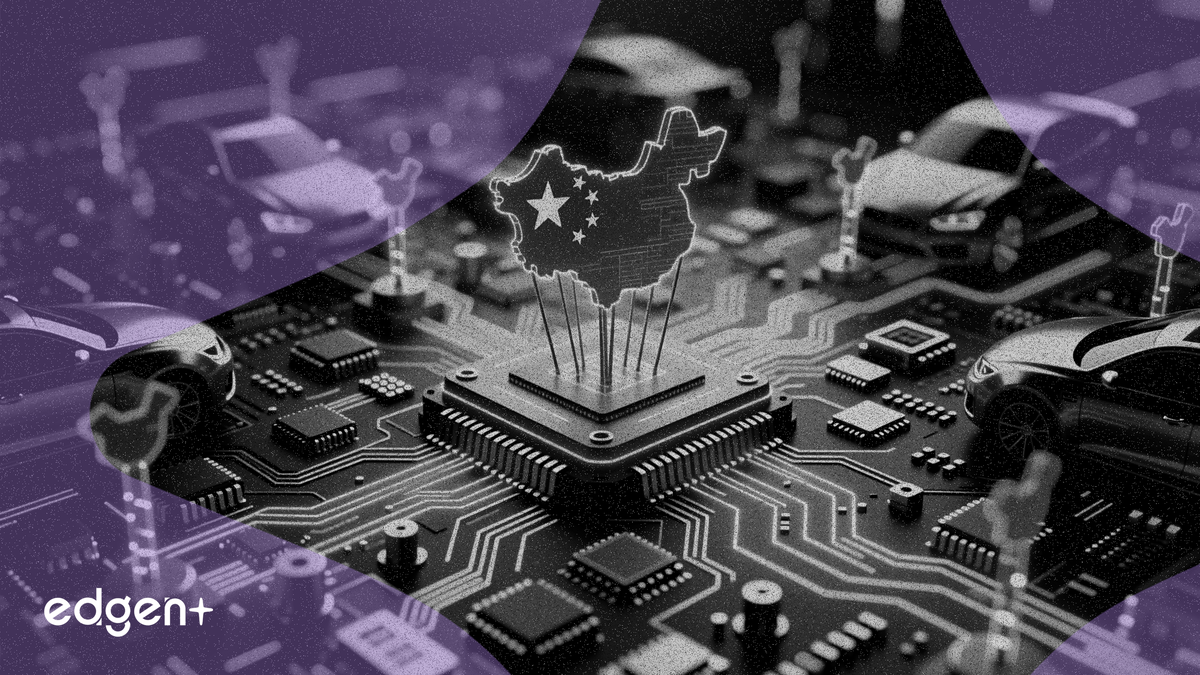
While Chinese-branded cars are a rare sight on American roads, a new analysis reveals a far deeper integration into the U.S. auto industry, with Chinese companies holding ownership stakes in approximately 10,000 American auto suppliers. This extensive network, which includes full ownership of more than 60 U.S. suppliers, exposes a critical supply chain vulnerability for an American auto industry that is simultaneously falling behind in the global electric vehicle race.
"They’re deeply integrated into the industry," said Michael Dunne, chief executive officer of the automotive-consulting firm Dunne Insights. The data, compiled by consulting firm AlixPartners, shows Chinese holdings in companies that manufacture everything from airbags and automotive glass to complex steering systems, highlighting a dependency that goes far beyond simple components and into core vehicle technologies.
The investment extends into the most advanced areas of automotive technology. At the 2026 Beijing Auto Show, Chinese manufacturers showcased models with drive-by-wire systems, AI-powered cockpits, and in-house designed AI chips with computing power far exceeding industry standards. For example, XPeng's GX SUV boasts a proprietary AI chip with 3,000 TOPS, about 12 times the power of a single Nvidia Orin chip, and Volkswagen has already adopted XPeng's technology for its EVs in China.
This technological leap, coupled with deep supply chain integration, presents a multi-faceted challenge for U.S. and European automakers. The issue is not just one of economic competition but also of national security and technological leadership. A political dispute tied to a single Chinese-owned chip maker has already threatened to disrupt global automaker production, demonstrating how geopolitical tensions can ripple through the deeply intertwined supply chain.
China's Tech Ascends as US Industry Lobbies
The advance of Chinese technology is not limited to high-end models. Lidar sensors, essential for advanced driver assistance, are now appearing in Chinese EVs costing less than $13,000, such as the Leapmotor A10. This rapid diffusion of high-tech features into low-cost vehicles threatens the traditional business model of Western automakers, who typically cascade new technology down from premium models.
Simultaneously, an analysis by InfluenceMap shows that U.S. automakers and their lobby groups, like the Alliance for Automotive Innovation (AAI), have actively worked to roll back domestic EV mandates and emissions standards. This has created regulatory uncertainty that has led to tens of billions in writedowns on canceled EV investments. While companies like Ford and Honda warned that such rollbacks would harm long-term stability and global competitiveness, their own lobby groups often supported the changes.
This internal conflict has left the U.S. industry less prepared for the global shift to EVs, a market that China is increasingly dominating. China recently became the world's largest auto exporter, filling a rising global demand for high-quality, low-price EVs that U.S. manufacturers are retreating from. Even foreign brands operating in China, such as Toyota and Hyundai, are now deeply reliant on Chinese technology, using powertrains, smart cockpit OS, and driver-assistance systems from companies like Huawei, Momenta, and Baidu.
The situation leaves the U.S. auto industry in a precarious position. It is increasingly dependent on a supply chain influenced by a primary economic rival, while its own strategic decisions, driven by lobbying against domestic environmental regulations, have hindered its ability to compete in the next generation of automotive technology. For investors, this dynamic suggests a significant long-term risk for traditional automakers who have failed to secure their supply chains or fully commit to the EV transition, potentially ceding market share to more agile, vertically-integrated competitors.
This article is for informational purposes only and does not constitute investment advice.