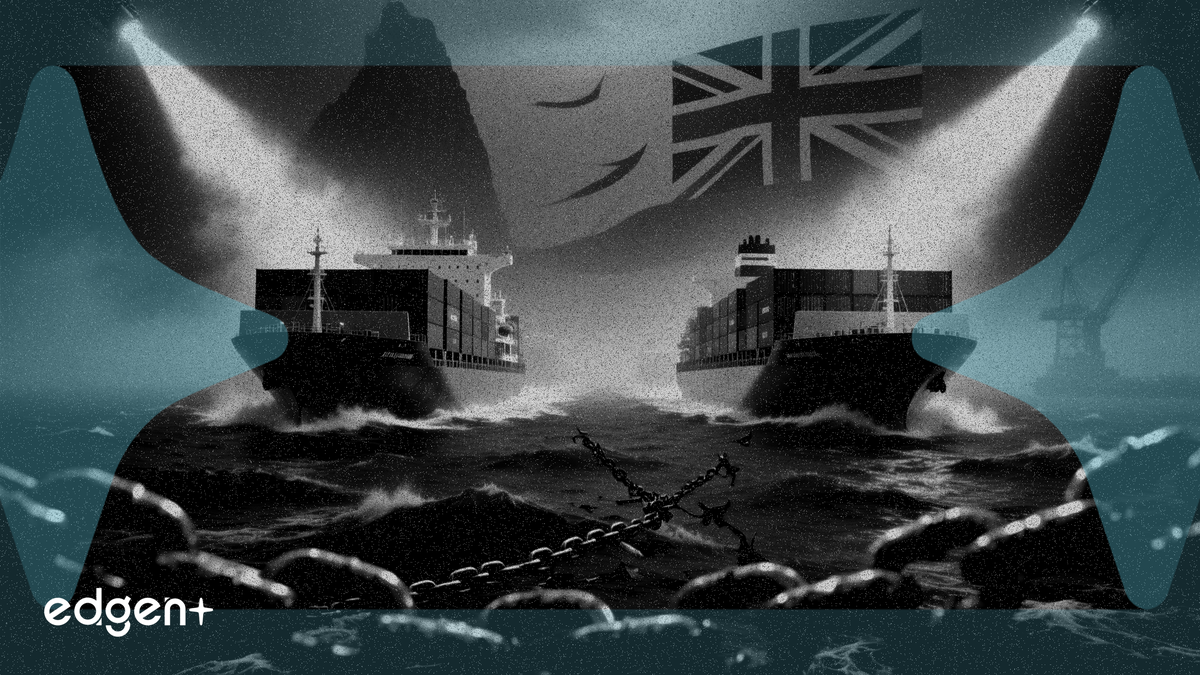
(P1) A weeks-long blockade of the Strait of Hormuz, a critical chokepoint for global oil trade, prompted a call between US President Donald Trump and UK Prime Minister Keir Starmer on April 26, where they emphasized the “urgent need to restore” maritime traffic. The disruption has already sent ripples through commodity markets and threatens to escalate economic pressure on major economies.
(P2) The blockage has led to a large number of crews being stranded in the Gulf region, the UK government said in a statement. Prime Minister Starmer warned the situation could have “severe consequences” for the global economy and the cost of living for people in Britain.
(P3) The Strait of Hormuz is the world's most important oil chokepoint, with around 21 million barrels per day, or about 21% of global petroleum liquids consumption, passing through it. The extended closure has raised concerns about a sharp spike in crude oil prices, with Brent crude futures showing increased volatility. In response to the heightened risk, the cost of insuring commercial ships sailing through the region has reportedly increased significantly.
(P4) The standoff puts global energy security at a critical juncture. A prolonged blockade could force major importers in Asia and Europe to seek alternative, more expensive routes and supply sources, potentially leading to a sustained period of higher inflation. The last major disruption in the strait in 2019 saw oil prices jump by nearly 15% in a single day, highlighting the market’s sensitivity to instability in the region. All eyes are on the diplomatic efforts in the coming days to de-escalate the situation and reopen the vital waterway.
This article is for informational purposes only and does not constitute investment advice.