
Oil prices fell nearly 5 percent as traders priced in a higher probability of a US-Iran peace deal that could reopen the world's most critical energy chokepoint.
Oil prices fell nearly 5 percent as traders priced in a higher probability of a US-Iran peace deal that could reopen the world's most critical energy chokepoint.
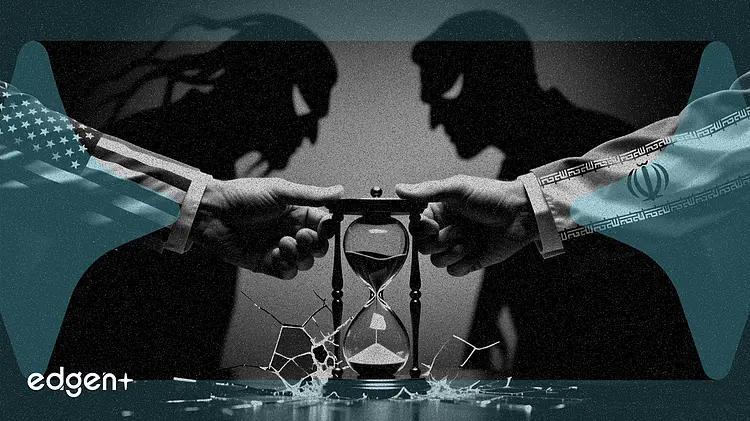
The United States and Iran are advancing on a peace deal to end their three-month conflict, with a draft memorandum proposing a 60-day ceasefire and the reopening of the Strait of Hormuz, even as US President Donald Trump signaled negotiators could take their time.
"We’re either in the last few yards before we reach a framework agreement that opens the way to negotiations, or we’re on the cusp of a new round of escalation and military confrontation," Mouin Rabbani, non-resident senior fellow at the Middle East Council on Global Affairs, told CNA938.
The optimism sent Brent crude futures down $4.97, or 4.8 percent, to $98.57 a barrel, while U.S. West Texas Intermediate futures fell $4.85, or 5 percent, to $91.75. The moves came as Iranian envoys met with Qatar's prime minister in Doha for talks on a potential deal, a visit one US official called a positive signal.
A potential agreement centers on reopening the Strait of Hormuz, a chokepoint for about 20 percent of the world’s oil, in exchange for concessions on Iran's nuclear program. However, significant hurdles could derail the process, pushing the region back toward a conflict that has already sent energy prices soaring and disrupted global trade.
Despite progress in talks mediated by Qatar, two significant sticking points could unravel the entire agreement: the fate of Iran’s enriched uranium and the scope of a regional ceasefire. The US is demanding Iran dispose of its stockpile of highly enriched uranium, with officials adopting a “no dust, no dollars” mantra, meaning no financial relief until the nuclear material is handled. Tehran, citing its distrust of Washington after the Trump administration’s 2018 withdrawal from the 2015 nuclear pact, has resisted removing the stockpile from its territory, proposing instead to dilute it under international supervision.
The second major obstacle involves Lebanon. Iran is insisting that any deal include a comprehensive ceasefire between Israel and Hezbollah, its primary regional proxy. Israel, however, has disputed this, with Prime Minister Benjamin Netanyahu and Trump reportedly agreeing that Israel would maintain the right to act against perceived threats. Hezbollah’s leader, Naim Qassem, said he was hopeful a deal would include Lebanon but simultaneously called for protests against the Lebanese government for negotiating with Israel, showing the complexity of the regional dynamics at play.
President Trump has projected a mix of threats and diplomatic overtures. In a series of social media posts on May 25, he warned that if talks fail, it would be “Back to the Battlefront and shooting, but bigger and stronger than ever before.” He asserted that any agreement would be the “exact opposite” of the 2015 Obama-era deal, which he has long criticized.
At the same time, Trump is pushing to broaden regional diplomatic ties. He revealed he has urged countries including Saudi Arabia, Qatar, Pakistan, and Turkey to join the Abraham Accords, the normalization agreements between Israel and several Arab nations. In a surprising extension, Trump suggested that a post-deal Iran could also be welcomed into the accords, a move he claimed would bring “real strength, power & peace for the first time in 5000 years!!!”
This article is for informational purposes only and does not constitute investment advice.
