
Un éventuel cessez-le-feu de 60 jours entre les États-Unis et l'Iran pourrait rouvrir le détroit d'Ormuz, une mesure qui ferait baisser les prix du pétrole et apaiserait les craintes concernant la sécurité alimentaire mondiale.
Un éventuel cessez-le-feu de 60 jours entre les États-Unis et l'Iran pourrait rouvrir le détroit d'Ormuz, une mesure qui ferait baisser les prix du pétrole et apaiserait les craintes concernant la sécurité alimentaire mondiale.
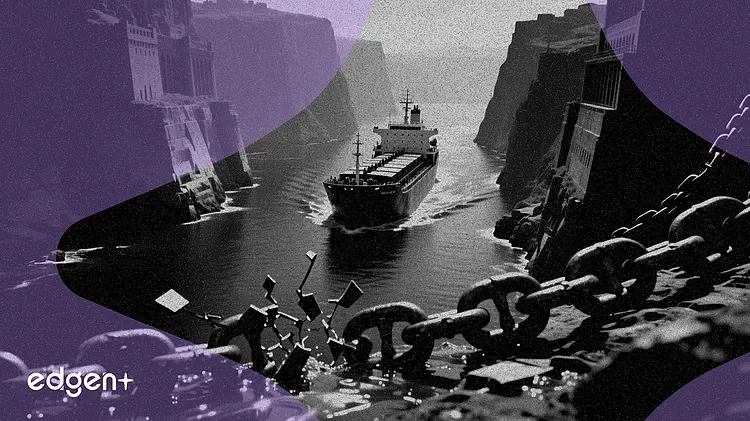
Les États-Unis et l'Iran sont sur le point de conclure un accord pour prolonger leur cessez-le-feu de 60 jours, un pacte qui inclut la réouverture progressive du détroit d'Ormuz et l'assouplissement du blocus américain sur les ports iraniens, selon les médiateurs. Cette percée potentielle fait suite à des semaines de diplomatie de la part d'envoyés pakistanais et qataris visant à empêcher l'effondrement de la trêve d'un mois.
Des « différences profondes et étendues » subsistent, a déclaré vendredi le porte-parole du ministère iranien des Affaires étrangères, Esmaeil Baghaei, selon l'agence de presse officielle IRNA, avertissant que « la diplomatie prend du temps ». Ses commentaires ont été repris par le secrétaire d'État américain Marco Rubio, qui a noté qu'il y avait eu « certains progrès » mais que les diplomates « n'y étaient pas encore ».
Une réouverture remédierait à une perturbation importante, car les données de Lloyd’s List Intelligence montrent que seulement 54 navires ont transité par le détroit entre le 11 et le 17 mai, contre une moyenne quotidienne d'avant-guerre de 138 navires. La perturbation a contribué à porter le prix moyen national de l'essence aux États-Unis à 4,53 $ le gallon, soit une hausse de plus de 1,55 $ depuis le début de la guerre, selon l'American Automobile Association.
La fermeture du détroit, qui gère environ 20 % des approvisionnements mondiaux en pétrole et en gaz naturel liquéfié, a créé une prime de risque majeure sur les marchés de l'énergie. La secrétaire d'État britannique aux Affaires étrangères, Yvette Cooper, a averti que la perturbation mettait des dizaines de millions de personnes en danger de famine, affirmant que le monde est « en train de sombrer dans une crise alimentaire mondiale » en raison de l'importance du point de passage pour les expéditions d'engrais.
### Le système de péage à 1 million de dollars de l'Iran face à des obstacles juridiques
La désescalade potentielle survient alors que l'Iran tente de formaliser un système de péage pour le passage à travers le détroit, une initiative qui a suscité de vives critiques. L'ambassadeur de Téhéran en France, Mohammad Amin-Nejad, a annoncé des discussions avec Oman pour gérer la navigation et la sécurité, affirmant qu'« il va sans dire que ceux qui souhaitent bénéficier de ce trafic doivent également payer leur part ».
L'Iran facture déjà des frais de plus d'un million de dollars par navire, certains rapports citant des péages allant jusqu'à 2 millions de dollars, selon l'Insurance Journal. Cependant, le plan de création d'un organe administratif permanent, la Persian Gulf Strait Authority, pour superviser les péages est contesté. L'Organisation maritime internationale a déclaré le 9 avril que tout péage de ce type « créerait un précédent dangereux », une position soutenue par les grandes nations maritimes et les États-Unis.
### La position d'Oman est déterminante
Oman, qui partage le contrôle du détroit avec l'Iran, a historiquement rejeté la proposition de péage comme étant incompatible avec le droit maritime international. Sa participation est géographiquement nécessaire pour tout système administratif bilatéral, et son silence suite aux derniers commentaires d'Amin-Nejad est significatif. Tout assouplissement perçu de sa position pourrait donner une légitimité au plan de Téhéran.
Pour les marchés de l'énergie, un péage formalisé remplacerait le risque imprévisible de fermeture par une redevance prévisible mais contestée, modifiant fondamentalement l'économie du transport maritime de pétrole depuis le golfe Persique. L'issue dépendra de la question de savoir si la communauté internationale traitera le péage comme un frais de service légitime ou une taxe illégale. Cette incertitude suffit à maintenir la prime de risque d'Ormuz à un niveau élevé jusqu'à ce qu'un accord formel sur le statut du détroit soit conclu.
Cet article est destiné à des fins d'information uniquement et ne constitue pas un conseil en investissement.
