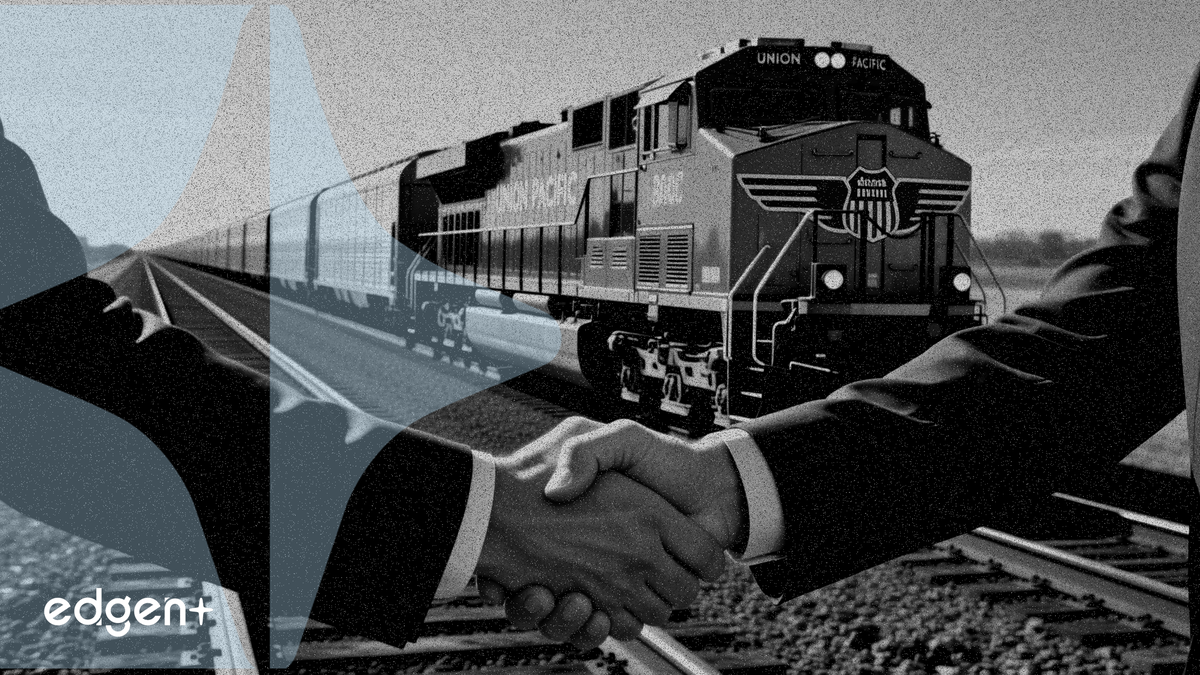
Union Pacific Railroad dio un paso significativo hacia la creación del primer ferrocarril de costa a costa en los EE. UU. al asegurar un acuerdo laboral histórico que brinda seguridad laboral de por vida a todos sus despachadores de trenes. El trato con la Asociación Americana de Despachadores de Trenes (ATDA), anunciado el 2 de abril de 2026, está diseñado para prevenir interrupciones laborales antes de la fusión transformadora con Norfolk Southern, pero también sienta un precedente potencialmente costoso para las negociaciones con otros sindicatos.
"Este acuerdo histórico proporciona una seguridad laboral esencial para nuestros miembros por el resto de sus carreras", dijo la ATDA en un comunicado. Para Union Pacific, el pacto es un hito crítico de reducción de riesgos para una fusión que promete crear una red que abarca más de 50.000 millas en 43 estados. El acuerdo, sin embargo, plantea dudas a los inversores sobre los costos laborales a largo plazo asociados con la fusión, que Union Pacific ha afirmado que podría generar hasta 2.750 millones de dólares en sinergias anuales.
El acuerdo garantiza el empleo para todos los miembros de la ATDA empleados actualmente en el momento del cierre de la fusión, sujeto a los requisitos de conducta estándar. Esta medida proactiva busca evitar los colapsos del servicio y las luchas laborales que han plagado fusiones ferroviarias pasadas. Al asegurar el apoyo de los despachadores, que son críticos para las operaciones de la red, Union Pacific espera suavizar la compleja integración de su sistema con el de Norfolk Southern.
El problema central para Union Pacific (UNP) y Norfolk Southern (NSC) es si el costo de esta paz laboral erosiona los beneficios financieros de la fusión. El trato podría convertirse en el modelo para las demandas de sindicatos ferroviarios más grandes, que representan a un número mucho mayor de empleados. Si bien no se revelaron los términos financieros, una garantía de empleo de por vida para una parte significativa de la fuerza laboral combinada podría afectar materialmente las sinergias de reducción de costos que son centrales para la tesis de inversión del acuerdo. La fusión aún enfrenta importantes obstáculos regulatorios y la oposición de transportistas rivales como BNSF y CSX, quienes argumentan que la combinación reducirá la competencia y perjudicará a los cargadores.
Este artículo es solo para fines informativos y no constituye asesoramiento de inversión.