
Un acuerdo fundamental reinicia los flujos de petróleo a Europa a cambio de desbloquear un paquete de ayuda de 90.000 millones de euros para Ucrania.
Un acuerdo fundamental reinicia los flujos de petróleo a Europa a cambio de desbloquear un paquete de ayuda de 90.000 millones de euros para Ucrania.
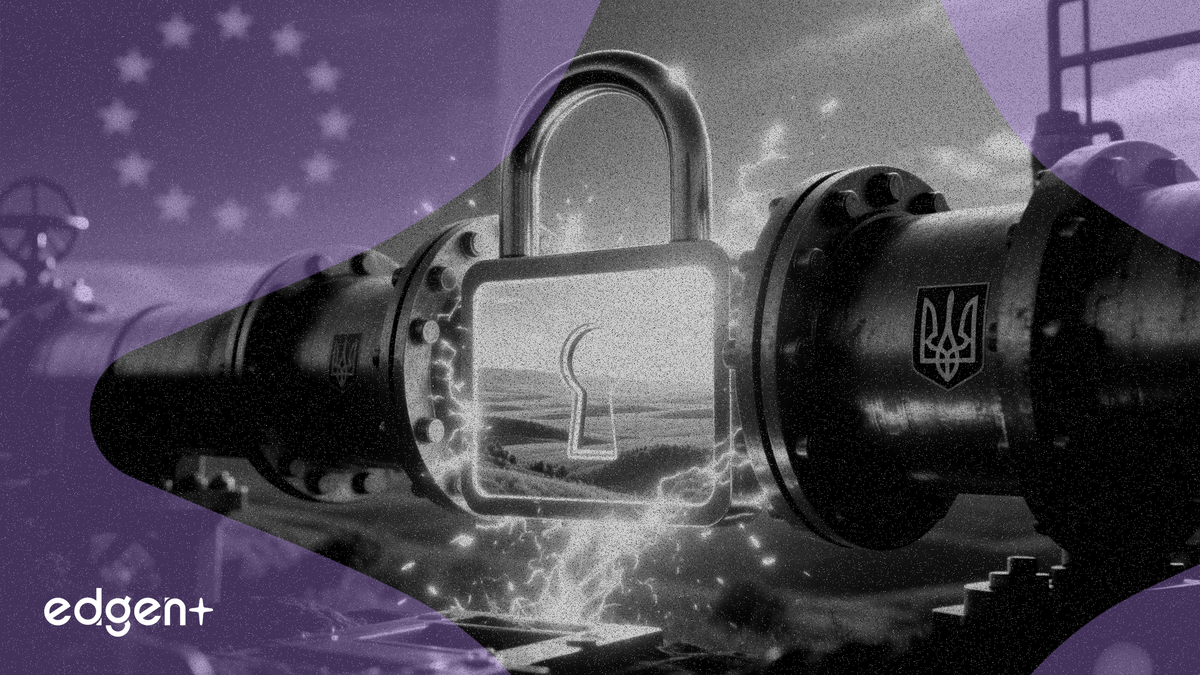
Ucrania se prepara para reanudar el tránsito de crudo a través del oleoducto Druzhba tan pronto como el miércoles, un giro estratégico que coincide con el acuerdo de Hungría y Eslovaquia para apoyar un préstamo crítico de la Unión Europea de 90.000 millones de euros (106.000 millones de dólares) para Kiev.
El avance se produce tras semanas de tensión en las que Eslovaquia amenazó con vetar el próximo paquete de sanciones de la UE contra Rusia. "Si el oleoducto Druzhba no se pone de nuevo en funcionamiento... no estaremos de acuerdo", dijo el Ministro de Asuntos Exteriores eslovaco, Juraj Blanár, al parlamento, según informó la agencia de noticias TASR, destacando la inmensa presión sobre el suministro energético de su nación.
El estancamiento comenzó después de que los flujos a través del oleoducto desde Rusia vía Ucrania cesaran a finales de enero. La compañía petrolera húngara MOL ya ha presentado solicitudes para los primeros volúmenes reanudados, que se dividirán a partes iguales entre Hungría y Eslovaquia. La restauración sigue a la confirmación del presidente ucraniano, Volodymyr Zelenskyy, de que la sección del oleoducto, supuestamente dañada en un ataque con drones rusos, ha sido reparada.
El episodio subraya el intrincado vínculo entre la seguridad energética y el apalancamiento geopolítico en la Europa en guerra. Para las naciones sin litoral de Eslovaquia y Hungría, el oleoducto Druzhba de la era soviética es una arteria económica vital. Para Ucrania, las tarifas de tránsito y la capacidad de influir en su flujo son herramientas poderosas para garantizar el apoyo financiero y político continuo de sus vecinos de la UE, algunos de los cuales han sido partidarios vacilantes de su esfuerzo bélico.
La interrupción en las entregas de petróleo había llevado a Eslovaquia, que sigue dependiendo en gran medida del crudo ruso bajo una exención de sanciones de la UE, a declarar una "emergencia petrolera" a mediados de febrero. La interrupción creó una fisura diplomática significativa. Tanto el gobierno eslovaco como el gobierno húngaro saliente, encabezados por Robert Fico y Viktor Orbán respectivamente, cuestionaron públicamente la explicación de Ucrania de que los ataques con drones rusos habían dañado el oleoducto. Exigieron una inspección independiente, una solicitud que nunca fue concedida, lo que alimentó las acusaciones de Fico de que Ucrania estaba recurriendo al "chantaje" para asegurar más apoyo.
Esta tensión fue un factor clave que frenó el vigésimo paquete de sanciones de la UE contra Rusia. Eslovaquia y Hungría, sintiendo que su seguridad energética estaba amenazada, utilizaron su veto potencial como palanca. La situación dejó a la Comisión Europea mediando entre las necesidades energéticas inmediatas de un Estado miembro y la estrategia unificada del bloque para apoyar a Ucrania y presionar a Rusia.
La decisión de reanudar el tránsito de petróleo marca una desescalada significativa y un claro acuerdo transaccional. Según informes de Reuters, la reanudación se produce después de que Hungría y Eslovaquia retiraran formalmente sus objeciones al préstamo de 90.000 millones de euros para Ucrania. Este "quid pro quo" permite a todas las partes cantar victoria: Ucrania asegura un salvavidas financiero masivo, mientras que Hungría y Eslovaquia restauran su fuente principal de crudo, estabilizando sus economías y evitando una crisis energética más profunda.
El acuerdo también despeja el camino para la próxima ronda de sanciones de la UE, demostrando un retorno a un frente más unificado contra Moscú, al menos por ahora. Sin embargo, el episodio revela la fragilidad de esta unidad cuando los intereses nacionales, particularmente la energía, están en juego. También sienta un precedente sobre cómo las futuras interrupciones o necesidades estratégicas podrían usarse como moneda de cambio en la compleja red de alianzas que apoyan a Ucrania. El panorama energético más amplio sigue plagado de incertidumbre, ya que Rusia planea por separado detener las exportaciones de petróleo de Kazajistán a Alemania a través del ramal norte del oleoducto Druzhba a partir del 1 de mayo, rediseñando aún más el mapa energético de Europa.
Este artículo tiene únicamente fines informativos y no constituye asesoramiento de inversión.
