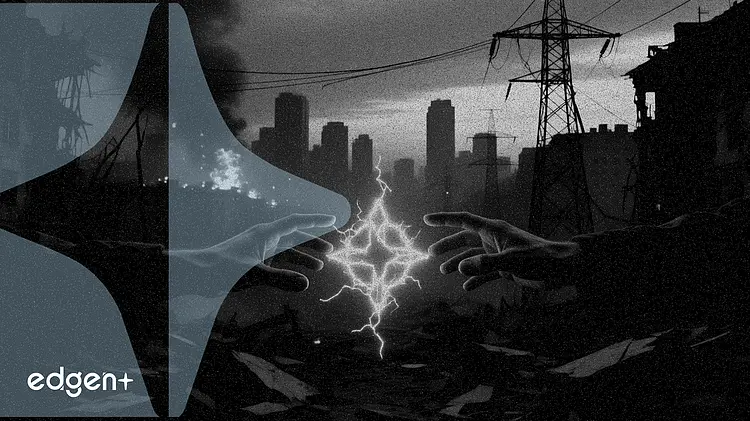
(P1) Ukraine has proposed an "energy truce" to Russia through the United States, offering a reciprocal halt to attacks on energy infrastructure after a six-month Russian air campaign has crippled its power generation capacity.
(P2) "If Russia stops its attacks on Ukrainian energy facilities, Ukraine will provide a reciprocal response," Ukrainian President Volodymyr Zelensky said in his nightly video address on April 6. He confirmed the proposal was transmitted to Moscow via Washington.
(P3) The proposal comes after a series of Ukrainian drone strikes on Russian oil refineries, which have reportedly disrupted more than 15% of Russia's refining capacity. In response, Russia has intensified its attacks on the Ukrainian power grid, causing significant damage and widespread blackouts. Brent crude, the global benchmark, has remained volatile, trading above $90 a barrel amid the ongoing geopolitical tensions.
(P4) The market's direction now hinges on Russia's response. An agreement could remove a significant risk premium from crude oil, potentially leading to a drop in prices. However, a rejection, or no response, would signal a continuation of the current conflict dynamics, sustaining high volatility in energy markets and keeping upward pressure on prices as the risk to Russian supply remains.
A Tit-for-Tat Energy War
Since late 2023, Russia has systematically targeted Ukraine's thermal and hydroelectric power plants, leading to a severe energy crisis within the country. Ukrainian officials have stated that the damage is extensive, forcing the country to rely on energy imports and rolling blackouts to manage the grid.
In recent months, Ukraine has retaliated by using long-range drones to strike oil refineries deep inside Russian territory. These attacks have aimed to disrupt Russia's fuel supply and reduce the revenue it earns from oil exports, which funds its war effort. The strikes have hit major facilities, causing fires and forcing shutdowns for repairs.
Market Reacts to Geopolitical Risk
The escalation in the energy front of the war has been a significant factor for the oil market. The risk of wider disruptions to Russian energy exports has added a geopolitical risk premium to oil prices. Brent crude has risen from around $75 a barrel at the start of the year to over $90 in early April.
An "energy truce" would be a significant de-escalation. If Russia agrees, it would reduce the immediate threat to its oil refining capacity, which could lead to an increase in the supply of refined products to the global market. For Ukraine, it would provide a much-needed respite to repair its battered energy infrastructure.
Zelensky also mentioned that Ukraine is in detailed negotiations with the United States on a security guarantee agreement, highlighting the close coordination between Kyiv and Washington. As of now, Russia has not officially responded to the proposal.
This article is for informational purposes only and does not constitute investment advice.