
The United Kingdom has formally distanced itself from American threats to blockade the Strait of Hormuz, a critical chokepoint for nearly a fifth of global oil supply.
The United Kingdom has formally distanced itself from American threats to blockade the Strait of Hormuz, a critical chokepoint for nearly a fifth of global oil supply.
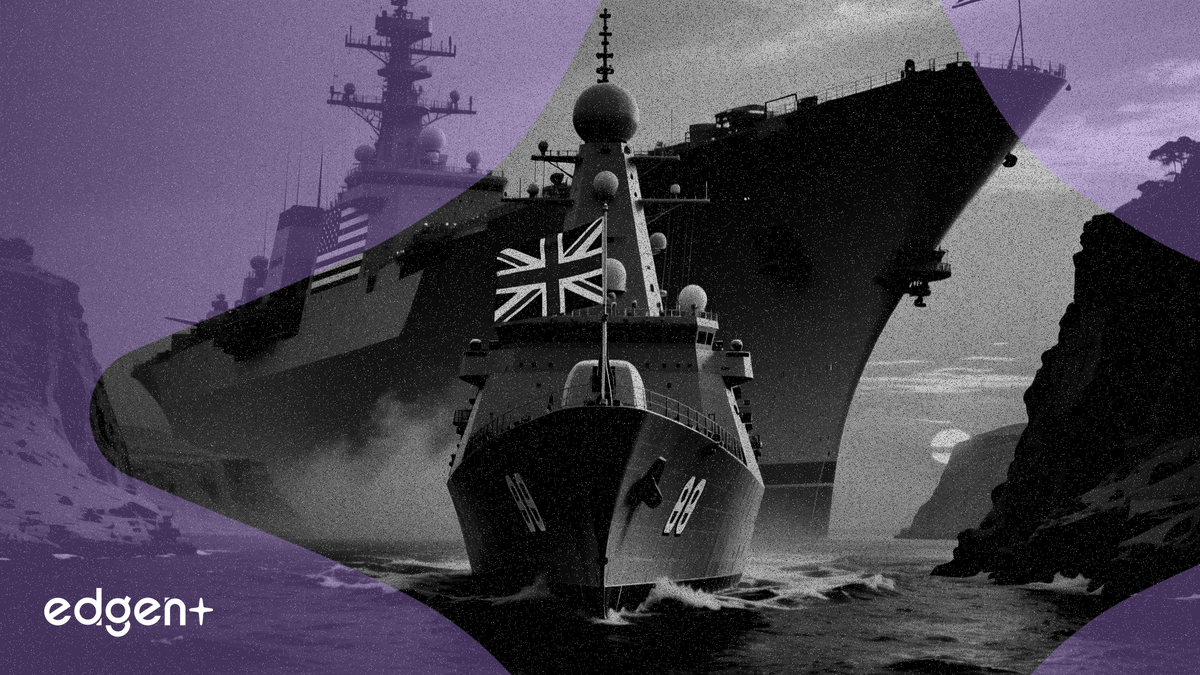
(P1) The United Kingdom will not participate in any military blockade of the Strait of Hormuz, according to multiple British media reports on 12 April, creating a diplomatic rift with the United States after President Trump threatened to shut down the vital oil artery over Iran's nuclear program.
(P2) "The UK will continue to support the restoration of free passage through the Strait of Hormuz, it should not become a toll channel," a government spokesperson said, as reported by Sky News. The spokesperson confirmed that Britain is actively forming a coalition with France and other partners to guarantee the strait remains open to international shipping.
(P3) The threat of a major disruption to global energy flows sent immediate ripples through markets. Brent crude futures, the international benchmark, jumped over 2% in early trading following the initial threats before paring gains. The cost of insuring tankers transiting the strait, already elevated, is expected to climb, while equity markets in Europe opened lower on the prospect of a surge in energy-driven inflation.
(P4) At stake is the passage of approximately 21 million barrels of oil per day, equivalent to about 21% of global petroleum liquids consumption, according to the U.S. Energy Information Administration. Any prolonged closure would trigger a severe oil price shock, likely pushing global crude prices well into triple digits and risking a broad-based sell-off in risk assets as investors flee to safety.
The divergence between Washington and London on Hormuz exposes a widening gap in strategy toward Iran. President Trump's threat, issued via social media, represents a significant escalation of pressure, linking the blockade directly to Iran's refusal to make concessions on its nuclear program. This maximalist approach contrasts sharply with the UK and France's preference for a diplomatic track, which involves maintaining dialogue and de-escalating military tensions in the Persian Gulf.
The formation of a European-led maritime coalition is a direct countermove to the US posture. It signals that key American allies are prepared to act independently to protect their economic interests, which are heavily dependent on the free flow of energy from the region. This move could complicate US efforts to build a broad international front against Tehran and may lead to further friction within the NATO alliance.
The potential impact of a Hormuz blockade cannot be overstated. A sudden halt to one-fifth of the world's oil supply would far surpass the production disruptions seen during the Gulf War or the 2019 attacks on Saudi Arabia's Abqaiq facility. Analysts project that prices could spike to over $150 per barrel, a level that would severely strain the global economy, fuel rampant inflation, and dramatically increase operating costs for industries from aviation to manufacturing.
This geopolitical risk premium is now being priced back into the market. The threat alone is enough to cause a broad-based flight from risk assets, with investors likely to sell off equities and corporate bonds in favor of safe havens like U.S. Treasuries and gold. The situation remains highly volatile, with market direction hinging on whether President Trump's threat is perceived as credible or merely rhetorical.
This article is for informational purposes only and does not constitute investment advice.