
Britain's military budget will climb to almost £80 billion a year by 2029, the highest sustained increase since the Cold War, as the government prioritizes deterrence over domestic infrastructure.
Britain's military budget will climb to almost £80 billion a year by 2029, the highest sustained increase since the Cold War, as the government prioritizes deterrence over domestic infrastructure.
Britain's military budget will climb to almost £80 billion a year by 2029, the highest sustained increase since the Cold War, as the government prioritizes deterrence over domestic infrastructure.
The U.K. government committed an additional £15 billion ($19.89 billion) for its armed forces over the next four years, raising total defence investment to about £298 billion, Prime Minister Keir Starmer announced Tuesday at the headquarters of British drone company Malloy Aeronautics. The increase lifts annual defence spending to almost £80 billion by 2029 from £54 billion under the previous administration, pushing the ratio to 2.7% of gross domestic product from 2.3% in 2024.
"This record investment puts the security of the British public first, transforming our Armed Forces and giving them the funding and equipment they need to fight and defend our nation," Starmer said. The world is "more dangerous and volatile," he added, citing Russia's invasion of Ukraine and broader global instability.
The bulk of the funding targets nuclear deterrence and next-generation warfare. More than £63 billion over four years will go toward the nuclear enterprise, including four Dreadnought submarines being built in Barrow, the SSN-AUKUS submarine program with the U.S. and Australia, a new warhead, and the purchase of 12 F-35A fighter jets as the U.K. joins NATO's nuclear mission. An additional £11 billion will replenish munitions stockpiles and fund long-range strike weapons, low-cost cruise missiles and one-way effectors, with plans to build at least six new energetics factories by 2030.
Drone transformation and AI acceleration
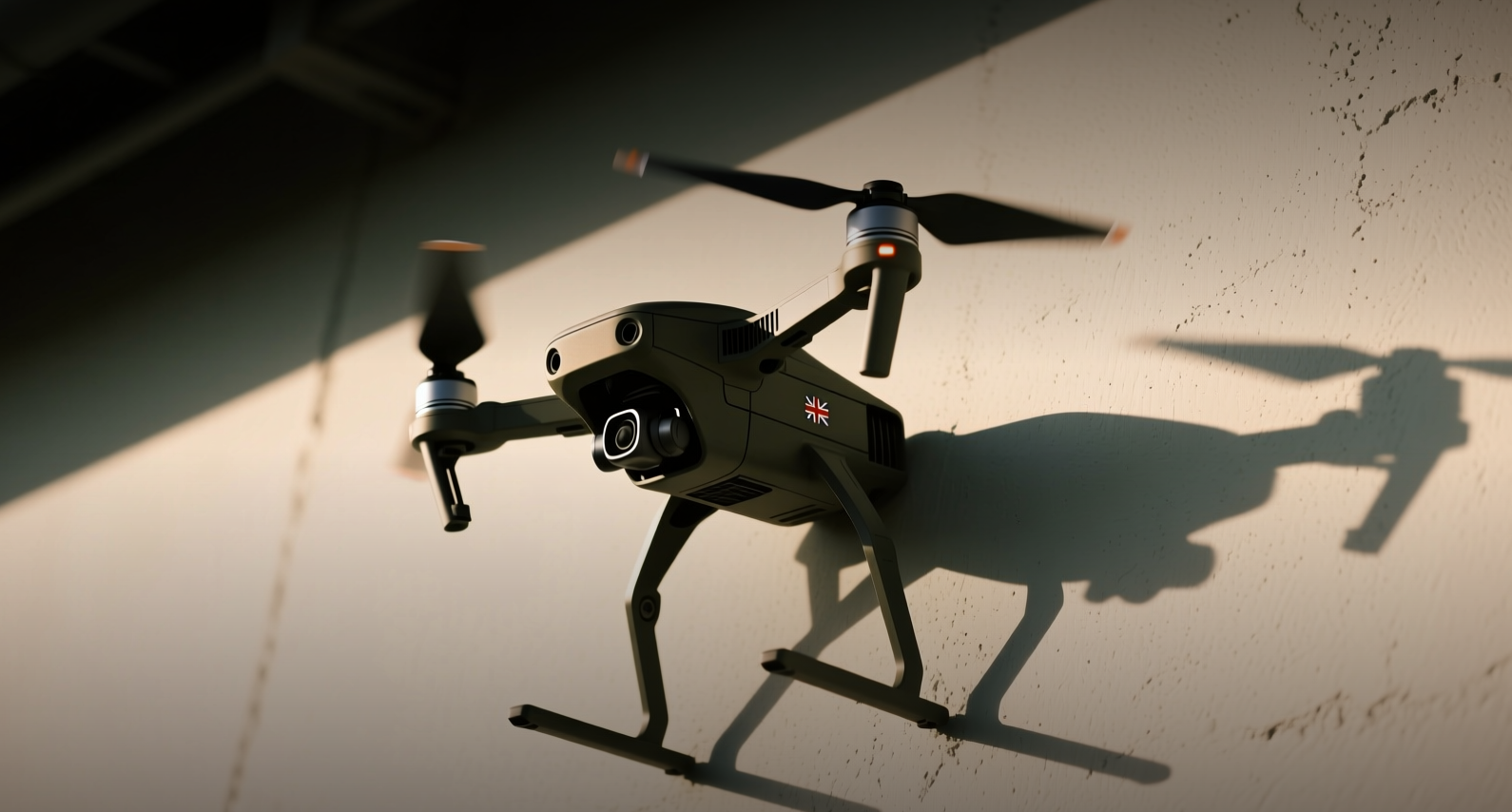
Over £5 billion is allocated for a drone transformation program, including £650 million for inexpensive expendable autonomous systems such as drones and uncrewed ground vehicles to enhance the lethality of the Army, Commando Force and Special Forces. The government also set aside nearly £2 billion for a Digital Targeting Web that integrates artificial intelligence and software to speed up decision-making and target destruction, and £100 million for Starmer's Rapid AI Delivery Taskforce to accelerate AI-enabled capabilities into military operations.
The spending plan follows the Strategic Defence Review published in June, which set the U.K.'s military objectives for the next decade. Defence Secretary Dan Jarvis said the additional funding would increase war-fighting readiness by improving training and the availability of ships and aircraft. "I have secured more money and made different choices for defence," Jarvis said. "By choosing to embrace new technology, I am equipping our troops with the autonomous systems which will give them the edge on the battlefield."
Funding and political backdrop
The government said the £15 billion boost would be funded by reallocating spending across departments, meaning some infrastructure and energy projects will not proceed as planned. Starmer ruled out cutting day-to-day public service spending to fund defence, saying that approach would leave the nation "fundamentally weaker."
The announcement comes after a turbulent period in British politics. John Healey quit as defence secretary in protest over what he said was the government's refusal to materially increase military spending. Starmer later said he would step down as prime minister following a rebellion in his Labour Party, clearing the way for Andy Burnham, a left-wing former mayor, to likely become the country's sixth prime minister in seven years.
The U.K.'s defence spending as a share of GDP now ranks 12th among NATO members, according to alliance estimates. All 32 member states are expected to meet the 2% threshold in 2025 for the first time, and NATO allies agreed at the Hague summit to raise the core defence spending target to 3.5% of GDP by 2035, with an additional 1.5% for security-related investments. The U.K. said it was on track to meet those targets.
The investment is expected to create nearly 60,000 additional direct and indirect jobs by the end of the decade, pushing total defence-related employment in the U.K. to more than half a million. The government also announced a £50 billion defence export facility through U.K. Export Finance to support British defence firms in winning global contracts.
This article is for informational purposes only and does not constitute investment advice.
