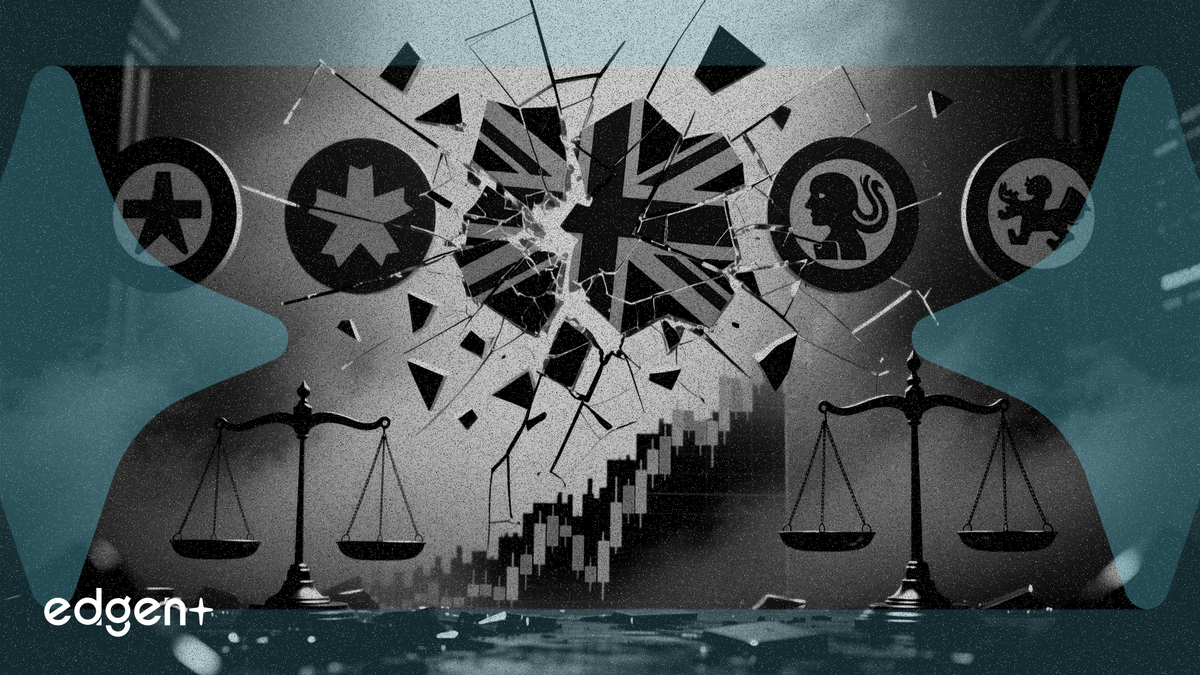
The UK’s political landscape is fracturing into a five-party system, a decade after Brexit, with last week's local elections signaling a potential seismic shift that could make Nigel Farage’s Reform UK the largest party.
Back
The UK’s political landscape is fracturing into a five-party system, a decade after Brexit, with last week's local elections signaling a potential seismic shift that could make Nigel Farage’s Reform UK the largest party.

The UK’s political landscape is fracturing into a five-party system, a decade after Brexit, with last week's local elections signaling a potential seismic shift that could make Nigel Farage’s Reform UK the largest party.
The UK's political system is splintering after local elections saw the governing Labour party's support collapse, fueling a surge by Nigel Farage's Reform UK and raising profound questions for investors about the country's stability and future economic policy. The results from the May 2026 contests represent one of the worst-ever performances by a governing party, with Labour losing control of 36 local authorities and seeing its vote share plummet in historic strongholds.
"We have never had five-party politics before. We’re in unprecedented territory and none of us know exactly where this will go,” expert pollster Sir John Curtice warned in March, a sentiment now echoed in the election's aftermath.
Analysis by polling firm Focaldata suggests a general election based on last week's results would see Reform UK win 28% of the vote, with the Conservatives at 20%, Labour at 18%, the Greens at 17% and the Liberal Democrats at 14%. The two legacy parties, which have dominated British politics for a century, now command just 38% of polled support combined.
The fragmentation introduces significant uncertainty for markets, with the British pound and UK equities facing potential volatility. A future government led by Reform UK could radically alter trade, immigration, and fiscal policies, forcing investors to re-price long-term risk in one of the world's major economies, reminiscent of the market ructions following the 2016 Brexit vote.
The scale of the political realignment is stark. Reform UK, which held only a handful of seats prior to 2025, gained an astonishing 1,431 council seats, building on momentum from the previous year. The party now controls 14 councils outright, including Havering in London and Essex, the home county of Conservative leader Kemi Badenoch.
In contrast, Prime Minister Keir Starmer's Labour Party suffered a catastrophic collapse, losing over half the councils it was defending. The party was wiped out in former industrial heartlands in the north of England and even lost power in Wales for the first time since 1999. While Starmer has vowed not to resign, the results have triggered calls for a leadership challenge. "I take responsibility," Starmer said, acknowledging the results were "very tough."
The Green Party also capitalized on Labour's demise, winning mayoralties in London boroughs like Hackney and seeing its vote share surge in metropolitan areas. This dynamic suggests a split in the left-leaning vote, which, according to polling analysis by John Curtice, has in some cases enabled Reform to gain seats from Labour.
This new multi-party reality makes forming stable governments and predicting policy direction incredibly difficult, a scenario that typically unnerves investors. The combined parliamentary weight of Labour and the Conservatives, at around 80% of seats, is starkly at odds with their support from little more than a third of the public.
For investors, the key takeaway is heightened political risk. The prospect of a government led by Nigel Farage, a chief architect of Brexit, introduces a level of policy uncertainty not seen in decades. Farage has championed a brand of national conservatism focused on patriotism, strict immigration controls, and a rejection of what he calls "woke" cultural progressivism.
The potential for radical shifts in fiscal policy, trade relationships (particularly with the EU), and immigration law could lead to increased volatility in the British Pound and the FTSE 100. The last major populist political event, the Brexit referendum, saw the pound fall by more than 10% in the immediate aftermath, and the long-term economic impacts are still debated. Investors will now be forced to price in a similar, if not greater, level of uncertainty as the UK navigates its unprecedented five-party political landscape.
This article is for informational purposes only and does not constitute investment advice.