
핵심 요약:
- 3월 영국 신용카드 1회 연체 계좌가 전월 대비 29.5% 급증
- 호르무즈 해협 연료 위기로 가계 타격, 평균 지출 6.6% 감소한 740파운드 기록
- 2회 연체 계좌는 전년 대비 14.3% 증가, 소비자 스트레스 심화 신호
핵심 요약:
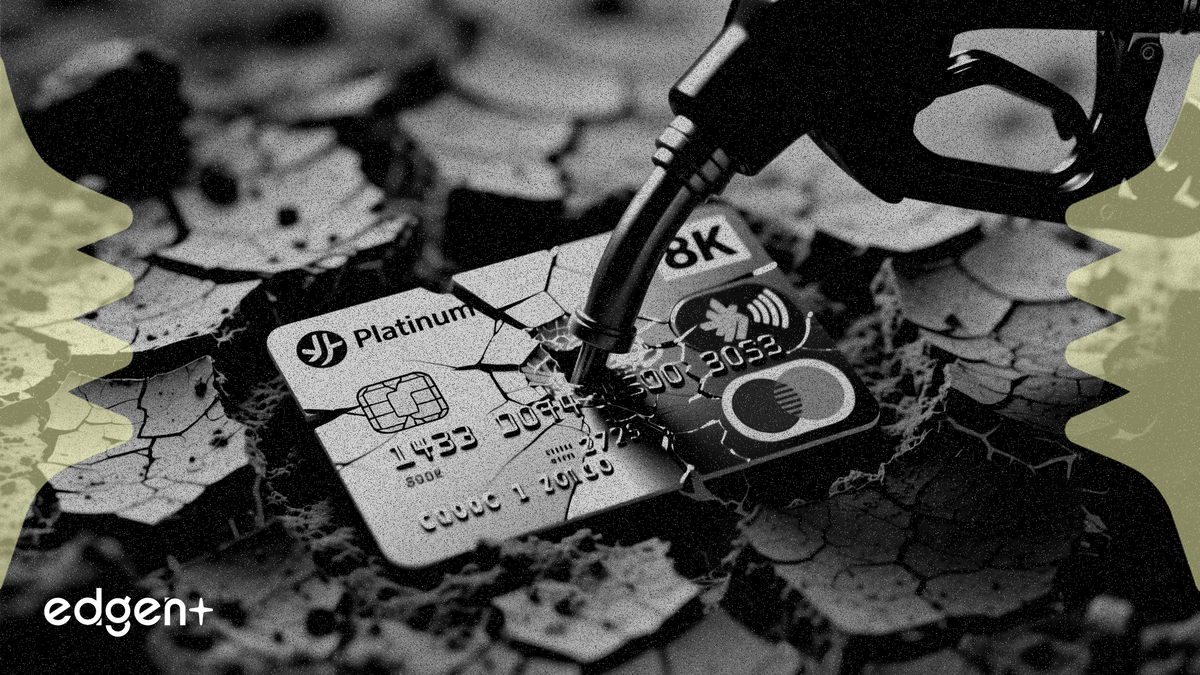
호르무즈 해협 봉쇄로 생활비가 급등하면서 영국 소비자들이 1년 만에 가장 빠른 속도로 신용카드 대금을 연체하고 있다.
FICO 데이터에 따르면 3월 영국에서 한 번이라도 대금을 연체한 신용카드 보유자는 전월 대비 29.5% 급증해 계좌의 1.7%를 기록했다. 호르무즈 해협 봉쇄로 인한 연료 위기가 구조적 지불 능력 압박을 심화시킨 결과다.
FICO는 이날 발표한 '영국 신용카드 시장 보고서'에서 "한 번 연체한 고객의 급격한 증가는 2025년에도 나타났던 3월 스트레스의 반복적인 패턴을 반영한다"며 "연료 위기로 휘발유와 경유 가격이 치솟으면서 악화된 개인 재정에 대한 지속적인 압박이 지출 감소에 기여한 것으로 보인다"고 밝혔다.
평균 지출은 2월 대비 6.6% 감소한 740파운드를 기록했으며, 전체 잔액 대비 결제 비율은 1%포인트 하락한 33%를 나타내며 1년 전보다 3.7%포인트 낮아졌다. 두 번 연체한 고객은 전월 대비 11.3%, 전년 동기 대비 14.3% 증가해 계좌의 0.4%에 달했다. 평균 활동 잔액은 2월보다 0.8% 감소한 1,925파운드를 기록했지만 2025년 3월보다는 4.3% 높은 수준이다.
이 같은 악화는 영국의 소비자 신용 사이클이 더 스트레스를 받는 국면에 진입하고 있음을 시사하며, 리스크 팀들은 3월의 1회 연체 급증이 봄과 여름에 걸쳐 더 깊은 연체로 이어질지 주시하고 있다. FICO는 "연체 계좌의 특징이 된 높은 잔액 수준에 대처하기 위해 징수 전략을 조정해야 할 수도 있다"고 경고했다.
이 데이터는 현재 3개월째 이어지고 있는 호르무즈 해협 봉쇄가 영국 가계 재정에 어떻게 전달되고 있는지에 대한 첫 번째 명확한 통계적 증거다. 뉴욕타임스에 따르면 분쟁 이전 전 세계 해상 원유의 약 4분의 1과 액화천연가스의 5분의 1이 이 해협을 통과했다. 이로 인한 휘발유와 경유 가격 급등은 2025년 초부터 영국 카드 시장을 규정해 온 지불 능력 문제를 더욱 악화시켰다.
국제통화기금(IMF)의 크리슈나 스리니바산 이사는 뉴욕타임스에 "단순한 가격 충격이 아니라 명백한 공급 부족"이라며 "공급이 부족해지면 산업이 축소되고 사람들은 일자리를 잃으며, 이는 성장에 2차적 영향을 미친다"고 말했다.
연체 추이, 면밀한 모니터링 필요
1회 연체 계좌의 전월 대비 29.5% 급증은 2025년 3월의 유사한 급등세와 유사해 계절적 패턴을 시사한다. 그러나 심층 연체의 경우 전년 대비 악화가 더 두드러진다. 2회 연체 계좌는 1년 전보다 14.3% 증가했으며, 3회 연체 계좌는 6.8% 상승했다. 연체 계좌의 평균 잔액은 세 범주 모두에서 2월보다 소폭 낮아졌지만 전년 동기 대비 높은 수준을 유지하고 있다.
결제율(전체 잔액 대비 결제 비율)은 지속적인 우려 사항이다. 33%로 2025년 3월보다 3.7%포인트 낮지만, 전년 대비 격차는 작년 대부분 기간에 나타난 6~7% 감소세에서 좁혀졌다. FICO는 이러한 격차 축소를 고무적으로 평가했지만 결제율이 여전히 낮은 수준에 머물러 있다고 경고했다.
평균 신용 한도는 전월 대비 0.1% 증가한 5,950파운드로 전년 대비 2% 상승했으며, 평균 한도 초과 지출은 6.3% 증가한 100파운드를 기록해 1년 전보다 5.2% 높아져 일부 카드 보유자가 차입 한계에 도달하고 있음을 시사한다.
광범위한 경제적 맥락
영국 카드 발행사의 약 80%가 사용하는 FICO TRIAD 고객 관리자 솔루션의 고객 보고서에서 추출된 FICO 데이터는 소비자 재정 상태를 거의 실시간으로 보여주는 창 역할을 한다. 3월 수치는 부활절 연휴 이전 기간(일반적으로 지출이 감소하는 시기)을 포착했지만, 연체 급증의 규모는 정상적인 계절적 변동을 초과한다.
무보험 소비자 대출에 노출된 영국 은행들에게 이러한 추세는 신용 리스크 상승을 의미한다. 영국 최대 소비자 대출 기관 중 두 곳인 Lloyds Banking Group과 Barclays의 주가는 투자자들이 부도 기대치를 재평가함에 따라 압박을 받을 수 있다. 영란은행의 다음 금융정책위원회 회의에서는 가계 부채 지표를 면밀히 검토할 가능성이 높으며, 카드 데이터는 2025년에 시작된 소비자 스트레스가 완화되기보다는 강화되고 있음을 시사한다.
본 기사는 정보 제공 목적으로만 작성되었으며 투자 조언을 구성하지 않습니다.
