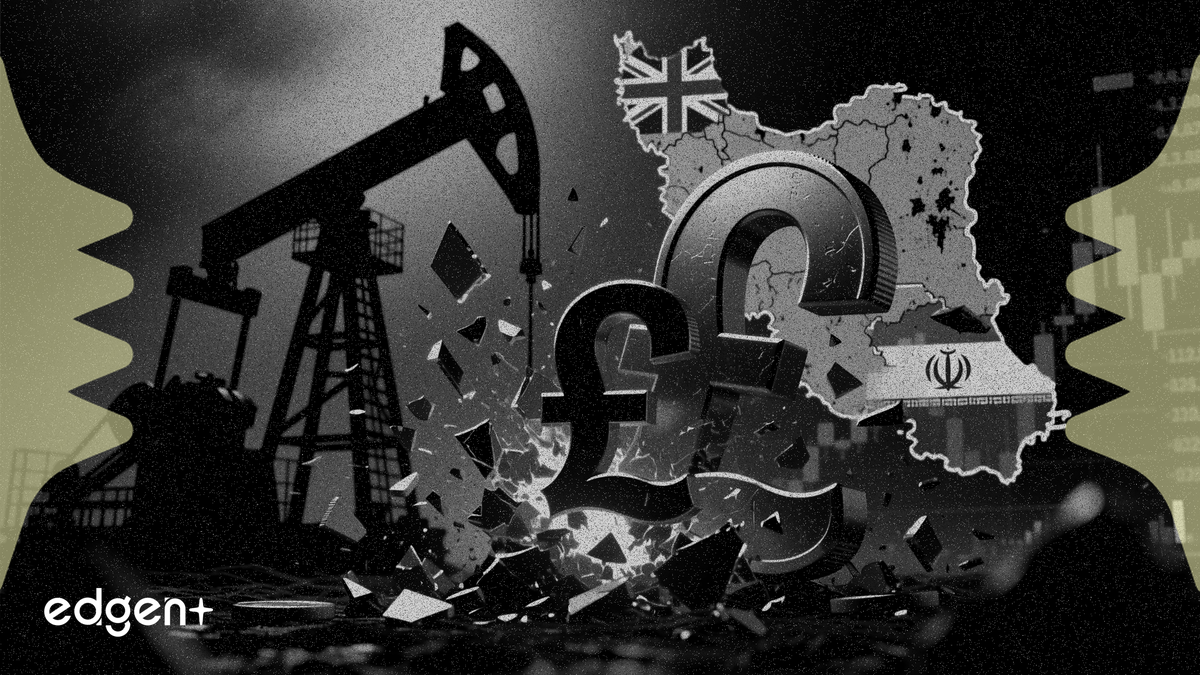
영국 국채 금리 5% 돌파, 에너지 위기 심화
이란 분쟁 악화로 인한 경제적 파급 효과에 대한 투자자들의 심각한 우려를 반영하며, 영국 정부 채권 금리가 2008년 글로벌 금융 위기 이후 최고 수준으로 치솟았습니다. 10년물 영국 국채(gilt) 금리는 급격한 매도세 이후 5% 임계치를 돌파했습니다. 한 달 만에 주요 일반 국채 지수는 거의 5% 하락하며 1000억 파운드 이상의 시장 가치를 증발시켰습니다. 이러한 빠른 재평가는 2022년 미니 예산안 시장 혼란을 떠올리게 하지만, 이번 촉매는 외부적 요인입니다. 즉, 호르무즈 해협을 통한 석유 및 가스 흐름 중단으로 인한 에너지 가격 충격입니다.
시장 반응은 급등하는 에너지 가격이 새로운 인플레이션 물결을 촉발할 것이라는 우려를 반영합니다. 투자자들은 이제 영국 부채를 보유하는 데 더 높은 프리미엄을 요구하고 있으며, 이는 정부의 차입 비용을 증가시킵니다. 이는 영국이 수입 가스에 대한 의존도가 높아 지정학적 에너지 충격에 특히 취약하기 때문에 전 세계적인 스트레스 테스트의 최전선에 놓이게 합니다.
정부, 재정 규율 약속하며 광범위한 지원에 저항
시장 압력에 대응하여 레이첼 리브스 재무장관은 화요일 정부가 "철옹성 같은" 예산 규칙을 준수할 것이라고 밝혔습니다. 그녀는 2022년과 2023년에 시행된 "무분별하고 무자금 지원" 조치를 명시적으로 배제했으며, 이는 채권 시장을 진정시키기 위한 조치입니다. 지금까지 정부는 난방유에 의존하는 가구를 위한 소규모 지원 패키지로 5300만 파운드(7120만 달러)만을 발표했으며, 이들의 비용은 급격히 상승했습니다.
기업의 약탈적 행위에 대한 우려를 해소하기 위해 리브스 장관은 정부가 경쟁시장청(CMA)에 위기 상황에서 기업이 폭리를 취하는 것을 막기 위한 추가 권한을 부여할 것이라고 확인했습니다. 대규모 경기 부양책보다 재정 안정을 우선시함으로써 재무부는 가계와 기업이 비용 압력에 직면하고 있음에도 불구하고 국가의 재정 신뢰성을 위험에 빠뜨리지 않을 것이라는 신호를 투자자들에게 보내고 있습니다.
영국 경제, '이중 압박' 직면 및 글로벌 배급 시작
국채 금리 급등은 영국 경제 전반의 금융 환경을 위축시키며, 에너지 비용 상승과 이자 비용 증가라는 '이중 압박'을 초래하고 있습니다. 10년물 국채 5% 금리는 모기지 및 기업 대출의 벤치마크 역할을 하며, 이는 주택 소유자와 기업 모두의 차입 비용이 상승할 것임을 의미합니다. 이는 주택 및 건설과 같은 신용 민감 부문의 활동을 위축시킬 위협이 있습니다. 이러한 상황은 슬로베니아, 이집트, 필리핀을 포함한 국가들이 이미 연료 배급 및 기타 긴급 조치를 도입하면서 전 세계적인 에너지 위기가 심화되는 가운데 벌어지고 있습니다. 영국에서는 잠재적인 공급 위기에 대한 비상 계획이 검토 중인 것으로 알려졌으며, 여기에는 연료 구매에 대한 30파운드 제한 가능성도 포함됩니다.