

Key Takeaways:
- Uber Japan partners with Hinomaru Kotsu for Tokyo robotaxi fleet operations
- Nissan LEAF vehicles with Wayve's AI Driver launch late 2026
- Safety operators onboard initially before fully driverless operations
Key Takeaways:
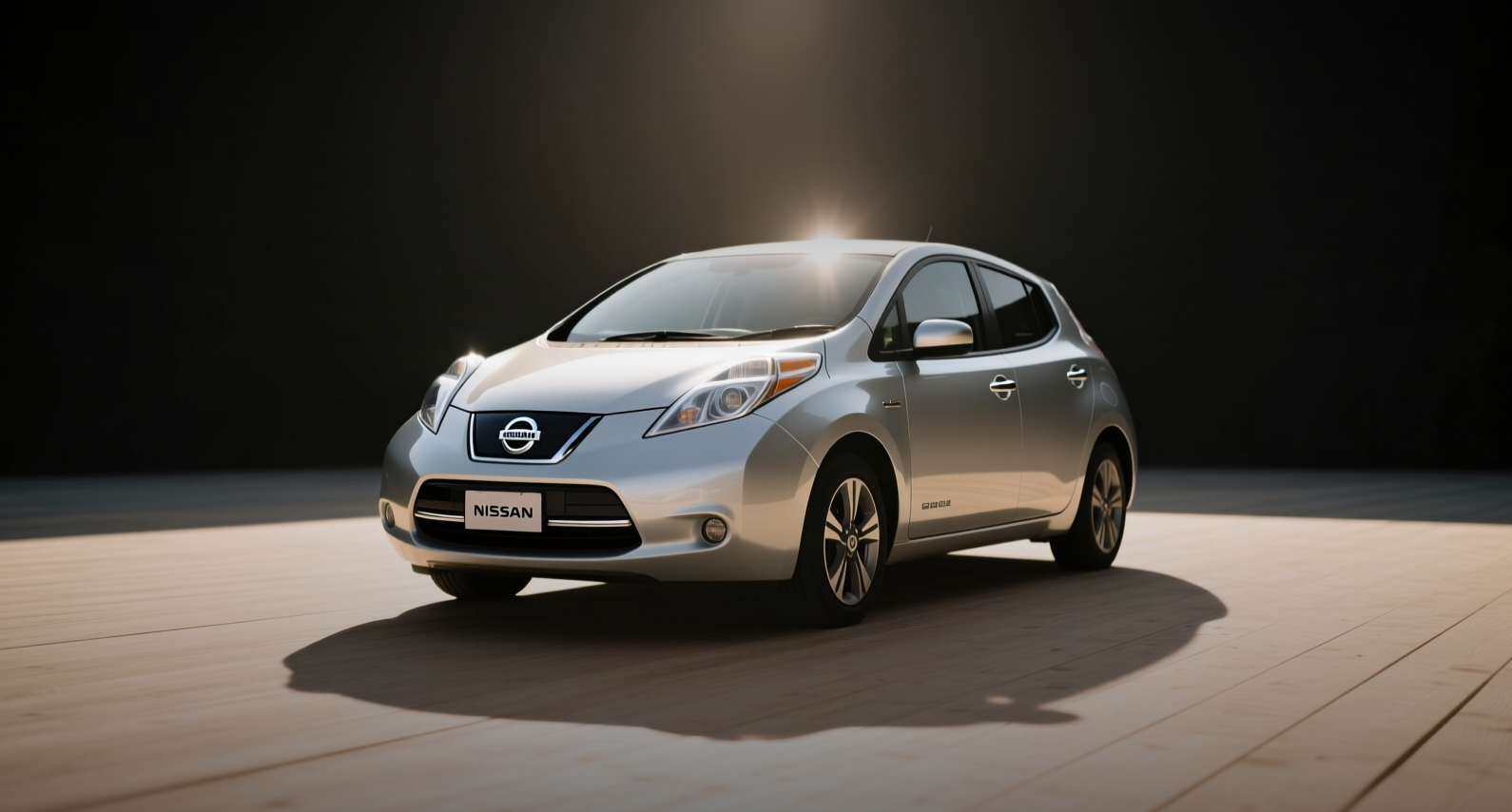
Uber is bringing autonomous driving to Tokyo's dense streets, with a robotaxi pilot slated for late 2026.
Uber Japan signed an operational partnership with taxi operator Hinomaru Kotsu to manage fleet operations for an autonomous vehicle pilot in Tokyo, deploying Nissan LEAF vehicles equipped with Wayve's AI Driver technology, scheduled to launch in late 2026.
"We are very happy to partner with Hinomaru Kotsu—a deeply trusted operator—to bring this pilot deployment to life in Tokyo," Sarfraz Maredia, global head of autonomous mobility and delivery at Uber, said. "Hinomaru Kotsu's extensive operational experience and rigorous safety standards, as well as Nissan's exceptional automotive engineering and Wayve's advanced AI technology, are vital to the success of this project."
Hinomaru Kotsu will oversee depot operations, vehicle cleaning, maintenance, inspections, charging, and vehicle uptime, with Uber making rides available through its ridehailing app. The partnership builds on a memorandum of understanding signed March 12, 2026, by Uber, Wayve, and Nissan. Under Japanese law, passenger transport services must be operated by authorized taxi companies, so Hinomaru Kotsu will serve as the authorized operator while Uber provides its matching platform and operational support tools. Experienced Hinomaru Kotsu drivers will be on board as safety operators in the initial phase before fully driverless operations begin, subject to regulatory approval.
Tokyo's driving environment is among the most complex in the world, with narrow streets, dense pedestrian traffic, and intricate intersections. The pilot's phased approach—starting with safety operators before going fully driverless—reflects both the regulatory framework and the operational challenges of autonomous driving in Japan's capital.
Wayve's AI Driver technology, developed by the London-based company led by CEO Alex Kendall, uses a learning-based approach rather than the high-definition mapping and rule-based systems employed by some competitors. This approach could offer advantages in Tokyo's dynamic environment, where road conditions change frequently and precise mapping alone may be insufficient. Nissan's involvement as vehicle supplier ties the project to the LEAF, one of the best-selling electric vehicles globally, giving the pilot a proven EV platform with established charging infrastructure.
The partnership structure uses Hinomaru Kotsu's regulatory standing as a licensed taxi operator, a requirement under Japan's passenger transport laws that foreign autonomous vehicle companies cannot bypass independently. This asset-light approach mirrors Uber's broader business model and could accelerate its autonomous vehicle expansion across other Asian markets where similar regulatory frameworks exist.
For Uber, the Tokyo pilot represents progress toward commercializing autonomous mobility in one of the world's largest ride-hailing markets. The company has been expanding its autonomous vehicle partnerships globally, and successful deployment in Tokyo could strengthen its competitive position against rivals in the robotaxi space, including Waymo, which has been scaling its service across US cities under Alphabet. The phased rollout—safety operators first, then fully driverless—suggests Uber is prioritizing regulatory compliance and safety validation over speed to market.
Uber shares trade on the New York Stock Exchange under the ticker UBER. The company has not disclosed the financial terms of the partnership or the expected capital expenditure for the Tokyo pilot. Investors will be watching whether the pilot can achieve the operational metrics—vehicle uptime, safety incident rates, and cost per mile—that would justify scaling the service beyond the initial deployment. The success of this pilot could also inform Uber's approach to other regulated markets, where partnerships with licensed operators may be the fastest path to autonomous ride-hailing.
This article is for informational purposes only and does not constitute investment advice.
