
A planned withdrawal of 5,000 U.S. troops from Germany threatens to undermine NATO's deterrence against Russia and has drawn criticism from both European allies and members of the Republican party.
A planned withdrawal of 5,000 U.S. troops from Germany threatens to undermine NATO's deterrence against Russia and has drawn criticism from both European allies and members of the Republican party.
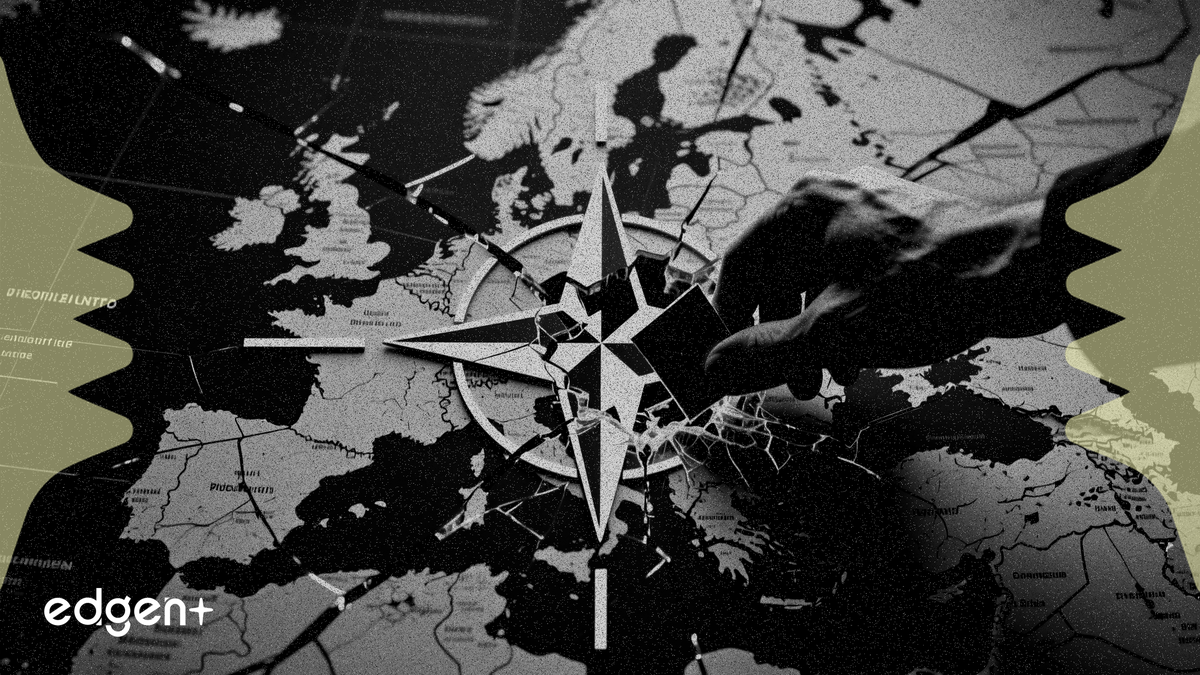
President Donald Trump’s decision to withdraw 5,000 troops from Germany has sent shockwaves through the NATO alliance, raising questions about the U.S. commitment to European security and potentially emboldening Russia. The move, which Mr. Trump has suggested could be the start of a larger drawdown, comes amid tensions over defense spending and recent comments by German Chancellor Friedrich Merz.
"Anything that undermines trust and predictability is also a lesson to others when they try to figure out how many of their eggs they should put in the American basket," said Jeff Rathke, president of the American-German Institute. "That's the bigger issue that's at stake in these kinds of decisions."
The U.S. currently has approximately 35,000 troops stationed in Germany, the largest contingent in Europe. The planned withdrawal of 5,000 troops, and the potential for more, has been met with concern. In a joint statement, Rep. Mike Rogers and Sen. Roger Wicker, both Republicans, argued for relocating the troops to Eastern Europe to strengthen the front against Russian aggression, suggesting Poland or Estonia as alternatives.
The withdrawal of a U.S. Army brigade and the cancellation of a planned long-range missile unit deployment to Germany could weaken NATO's conventional deterrent against a possible Russian escalation. With the war in Ukraine ongoing, a reduced U.S. presence could be interpreted by Moscow as a sign of weakening American resolve, increasing geopolitical risk in the region.
The U.S. military presence in Germany has been a cornerstone of transatlantic security since the end of World War II. The country serves as a critical logistical hub, with facilities like Ramstein Air Base playing a pivotal role in U.S. military operations not just in Europe, but also in the Middle East and Africa. The withdrawal of troops would not only reduce the U.S. military footprint but also impact the intricate network of support and infrastructure that has been built over decades.
President Trump has been vocal about his belief that European allies, particularly Germany, are not paying their fair share for defense. The spat with German Chancellor Friedrich Merz, who criticized the U.S. response to Iranian activities in the Strait of Hormuz, appears to have been a catalyst for the announced withdrawal. However, the move is also seen by some as part of a broader "America First" policy that questions the value of long-standing alliances.
The decision has been met with bipartisan criticism in the U.S. Congress. Lawmakers have expressed concern that a unilateral withdrawal of troops, without consultation with NATO allies, could damage the alliance and play into the hands of adversaries. The move has also been criticized as a gift to Russian President Vladimir Putin, who has long sought to weaken NATO and reduce the U.S. military presence in Europe.
This article is for informational purposes only and does not constitute investment advice.
