
A single comment from a former president has injected fresh volatility into commodity and equity markets, highlighting the continued sensitivity to geopolitical headlines.
A single comment from a former president has injected fresh volatility into commodity and equity markets, highlighting the continued sensitivity to geopolitical headlines.
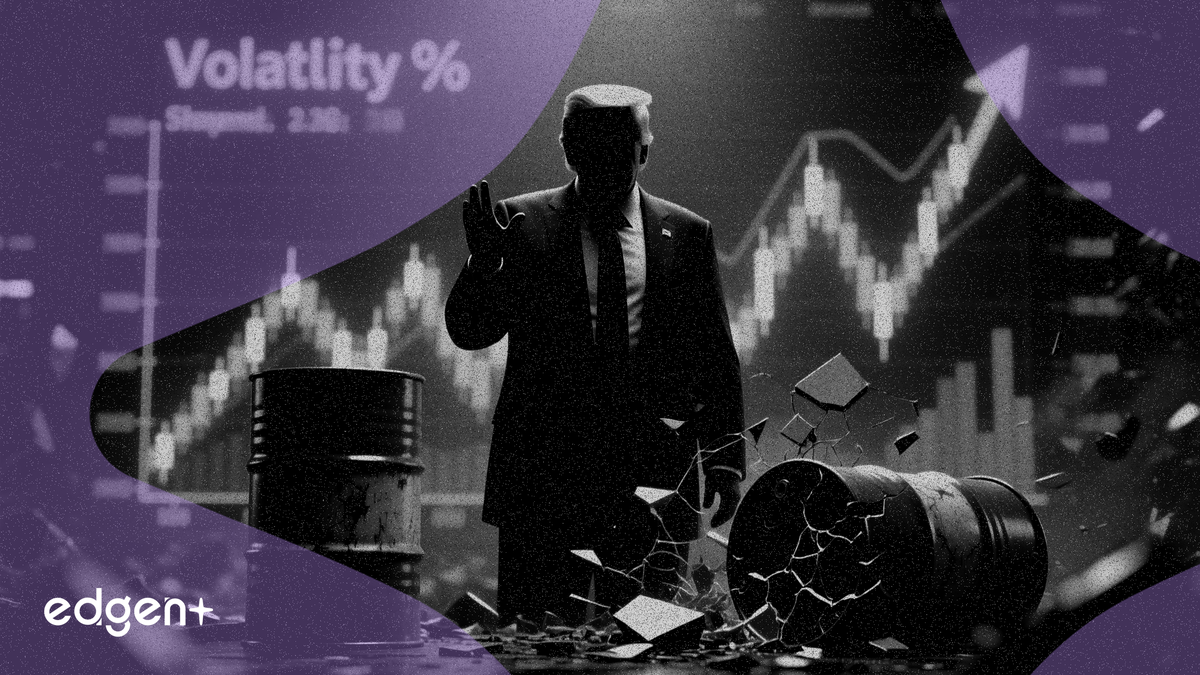
Former U.S. President Donald Trump told Fox News he believes a major global conflict is "very close to ending," a statement that prompted a brief 1% swing in crude oil prices and immediate reactions in defense-related stocks.
"This is a market hungry for any sign of de-escalation, but the lack of specifics means it's treated as headline risk, not a fundamental shift," said a geopolitical strategist at a major investment bank, speaking on condition of anonymity.
Following the remarks, Brent crude futures saw a volatile session, dropping as much as 0.8% before recovering to trade up 0.2%. Major defense contractor stocks, including Lockheed Martin and Northrop Grumman, dipped by approximately 0.5% in pre-market trading before paring losses.
The market's reaction underscores the significant geopolitical risk premium currently priced into assets, particularly energy. While the statement's credibility is debated, it forces investors to weigh the possibility of a sudden peace dividend against the reality of an ongoing conflict with no clear resolution path.
The primary impact of sustained geopolitical tension has been on energy markets. With supply routes under threat and sanctions affecting major producers, oil has maintained a risk premium estimated by some analysts to be as high as $10 per barrel. Trump's comments, though lacking detail, momentarily challenged that premium. The market's rapid reversal suggests that traders require concrete evidence of a ceasefire or diplomatic breakthrough before pricing in a lasting peace. The CBOE Crude Oil Volatility Index (OVX) remains elevated, reflecting continued uncertainty.
The market's behavior is reminiscent of previous peace overtures during other conflicts, which often caused sharp, short-lived drops in oil prices. For instance, initial reports of peace talks in past conflicts have seen oil fall over 3% in a single session, only to rebound fully within the week. The key takeaway for investors is the binary nature of the risk. A genuine, lasting peace could trigger a significant rotation out of defense stocks and energy, potentially benefiting consumer-discretionary and industrial sectors. Conversely, if the comments prove unfounded, the existing trends of high energy prices and strong defense sector performance are likely to resume.
This article is for informational purposes only and does not constitute investment advice.