
Trump will meet U.S. refiners and fuel retailers next week as gasoline prices hit $4.10 a gallon, the highest in over a year.
Trump will meet U.S. refiners and fuel retailers next week as gasoline prices hit $4.10 a gallon, the highest in over a year.
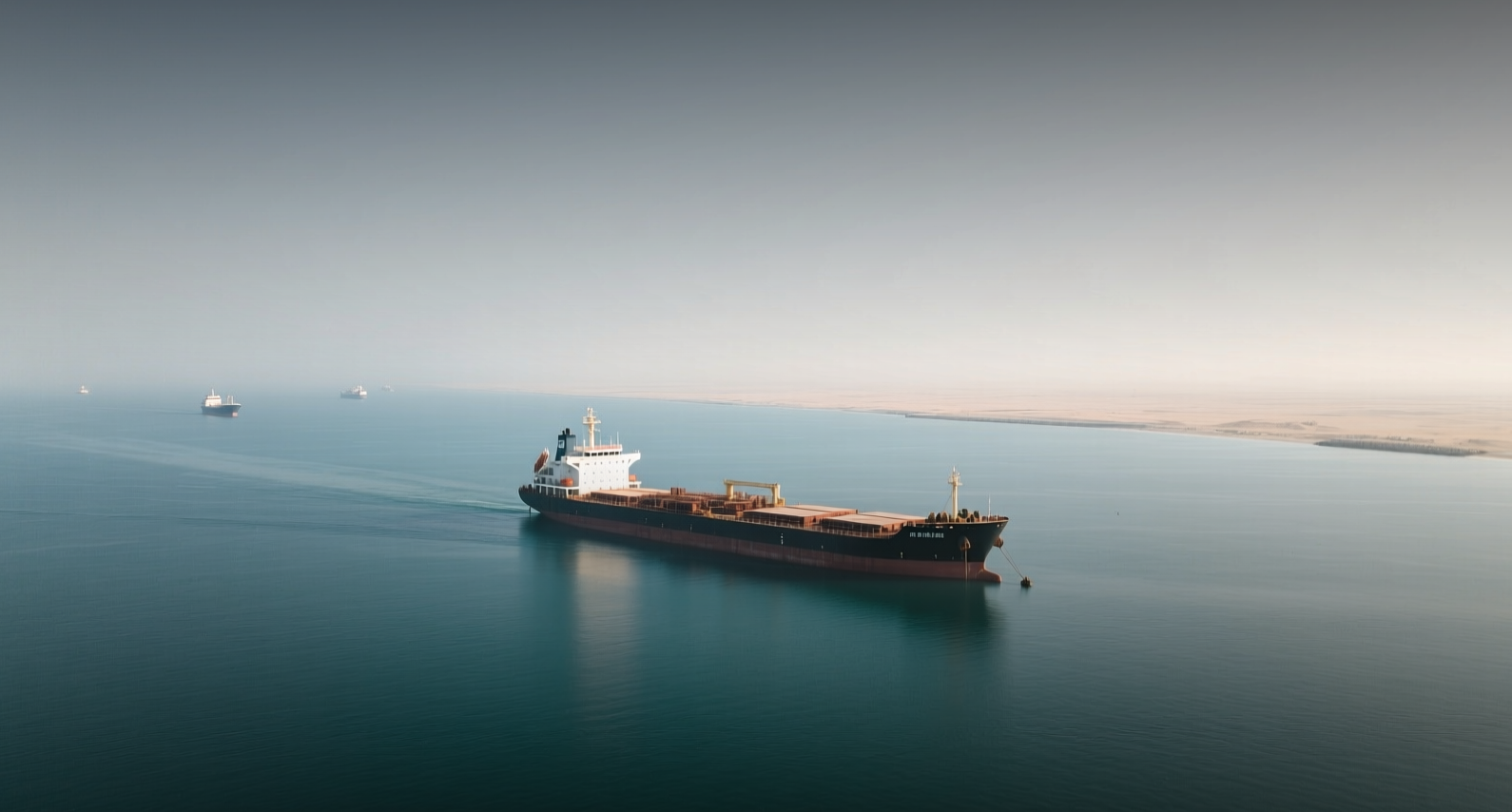
President Donald Trump will convene U.S. refiners and fuel retailers next week to ease gasoline prices at $4.10 a gallon, the highest in over a year, as the Iran conflict pressures consumers before midterm elections.
"We got rid of the mines. But the strait, it's functioning — it's a functioning strait. Every once in a while, there'll be a drone or a rocket or something shot but it is a very functioning strait," Trump told Glenn Beck in a radio interview on Aug. 26, referring to the Strait of Hormuz.
The average gallon of regular gas cost $4.10 as of Aug. 26, compared with $3.19 at the same time last year, according to AAA. Crude oil prices remain in the $80 per barrel range as instability persists at the Strait of Hormuz, a chokepoint for about 20 percent of the world's oil shipments. The war, which Trump announced on Feb. 28 in coordination with Israel, was initially predicted to last four to five weeks but is now approaching six months. Eighteen U.S. service members have died.
The meeting comes as multiple polls this month show Americans pessimistic about the war and their economic situation, with the economy a central issue in November's congressional midterm elections. Any policy actions announced could affect refiners' margins and gasoline prices, with the administration seeking to ease pressure on consumers from the Iran conflict.
Gas Prices Climb 28% Year Over Year
AAA said on Aug. 20 that the average gallon of gas cost more than ever before at that point in the year, even though gasoline demand was down, which is typical for this time of year. Crude oil prices remain in the $80 per barrel range because of continued instability at the Strait of Hormuz, the auto club said.
The year-over-year increase of 91 cents per gallon represents a 28 percent jump, the steepest annual rise since the 2022 energy crisis. The last time gas prices exceeded $4 a gallon was in 2023, when the national average peaked at $4.11 in September before falling as OPEC+ production cuts were partially offset by weaker global demand.
Strait of Hormuz Remains the Flashpoint
The Strait of Hormuz connects the Persian Gulf with the Gulf of Oman and the Arabian Sea, carrying about 20 million barrels of oil per day — roughly 20 percent of global shipments. More than 3,000 ships use the strait every month, most transporting crude oil, refined petroleum, and liquid natural gas to ports in China, India, Japan, and South Korea.
Iran and the U.S. reached a memorandum of understanding to end the war in June, but the deal fell apart in July. Since then, Iran has resumed attacks on ships in the strait and the U.S. has reinstated its naval blockade of Iranian ports. Vice President JD Vance said on Aug. 20 that the U.S. would move into a new phase of the war, ramping up economic pressure.
Trump told Al Jazeera on Aug. 26 he is "not in a hurry" for negotiations with Iran to resume, suggesting the conflict could persist well into the fall. That trajectory keeps crude prices elevated and gasoline costs high for American consumers, a political liability for Republicans who campaigned on lowering energy prices in 2024.
The meeting with refiners and fuel retailers is expected to focus on what the administration can do within existing authorities to bring prices down. Options could include waiving federal fuel-blending requirements, expediting refinery permits, or releasing additional barrels from the Strategic Petroleum Reserve. Refiners' margins have widened as crude prices rose, making them a target for political pressure even as the industry points to supply chain constraints and regulatory costs.
This article is for informational purposes only and does not constitute investment advice.
