
Dünyanın en kritik petrol geçiş noktasındaki abluka, ABD benzin fiyatlarının 2022'den bu yana en yüksek seviyeye çıkmasıyla Beyaz Saray'ı acil bir toplantıya zorluyor.
Dünyanın en kritik petrol geçiş noktasındaki abluka, ABD benzin fiyatlarının 2022'den bu yana en yüksek seviyeye çıkmasıyla Beyaz Saray'ı acil bir toplantıya zorluyor.
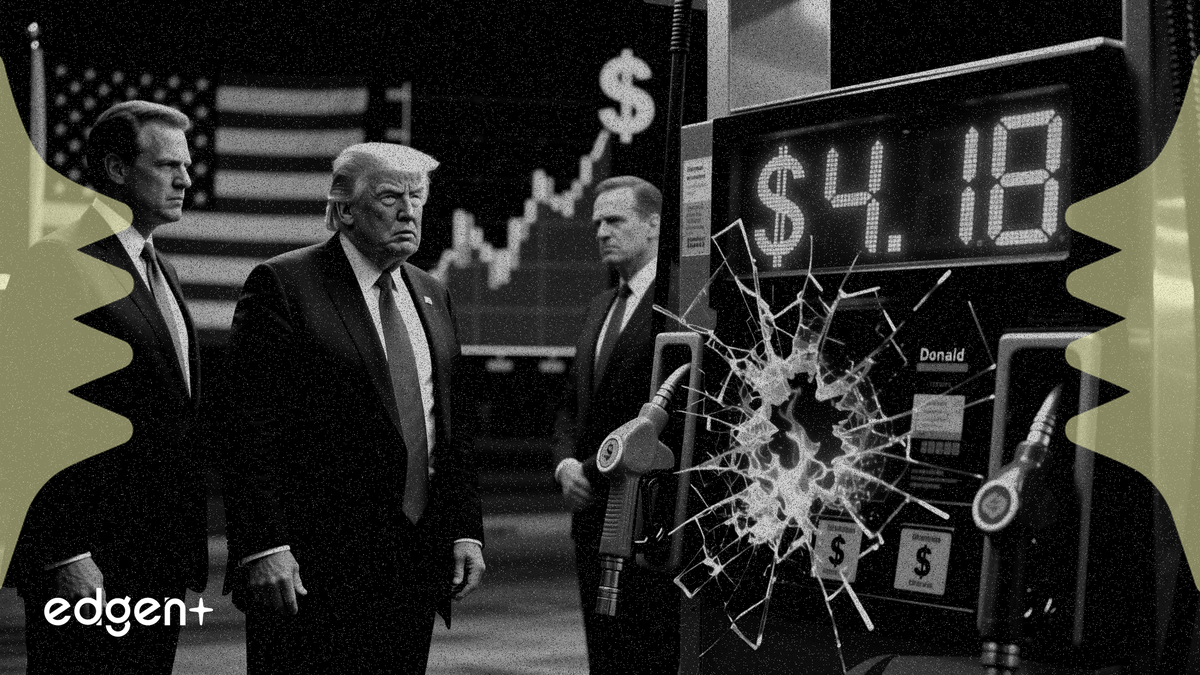
Başkan Trump, Hürmüz Boğazı'nın fiilen ablukaya alınmasının ardından ABD benzin fiyatlarının galon başına 4,18 dolarla son dört yılın en yüksek seviyesine ulaşması üzerine, Salı günü Beyaz Saray'da üst düzey petrol ve gaz yöneticilerini bir araya getirdi.
Bir Beyaz Saray yetkilisi, "Başkan, yerel ve uluslararası enerji piyasaları hakkındaki geri bildirimlerini almak için enerji sektörü yöneticileriyle düzenli olarak bir araya geliyor," diyerek toplantının yerel üretim, Venezuela ve ham petrol vadeli işlemleri gibi konuları içerdiğini doğruladı.
Chevron Corp. İcra Kurulu Başkanı Mike Wirth'in de katıldığı acil durum görüşmeleri, İran ile devam eden savaşın küresel deniz yoluyla petrol sevkiyatının yaklaşık dörtte birinden sorumlu bir su yolu olan Hürmüz Boğazı'nı tıkadığı bir dönemde yapılıyor. Amerikan Otomobil Birliği (AAA) verilerine göre, bu benzeri görülmemiş arz kesintisi ABD ulusal ortalama benzin fiyatlarını 2022'den bu yana en yüksek seviyesine çıkardı.
Küresel ham petrol piyasalarına bağlı fiyatları dizginlemek için sınırlı araçlara sahip olan Trump yönetimi, artan bir siyasi krizle karşı karşıya. Beyaz Saray, yerel taşımacılığı kolaylaştırmak için Jones Yasası'ndan muafiyet tanımış olsa da bu hamle, ekonomik talebi azaltma tehdidi oluştururken aynı zamanda ABD'li LNG ve ham petrol ihracatçıları için bir fırsat yaratan yapısal küresel arz şokuna karşı çok az rahatlama sağlıyor.
Orta Doğu arzındaki kesinti, Amerikan enerji ihracatı için önemli bir talep çekişi yaratıyor. Küresel alıcılar ablukaya alınan varillerin yerini doldurmak için çabalarken, ABD'li ham petrol ve sıvılaştırılmış doğal gaz (LNG) üreticileri yeni siparişlerde bir artış görüyor. Bu durum, yüksek fiyatların küresel talebi yok etme riski taşımasına rağmen, yerel enerji sektörü için pazar payı yakalamak adına kritik bir fırsat sunuyor.
Beyaz Saray Genel Sekreteri Susie Wiles ve Hazine Bakanı Scott Bessent gibi üst düzey yetkililerin katıldığı toplantı, yönetimin çözüm arayışını vurguluyor. Ancak, ABD pompa fiyatlarının Brent ham petrolü gibi küresel göstergelerle ayrılmaz bir şekilde bağlantılı olması nedeniyle, tek taraflı eylemlerin sınırlı bir etkisi oluyor. Yönetim, tüketiciler için maliyetleri düşürmeye yönelik siyasi zorunluluk ile yaygın bir arz kesintisinin jeopolitik gerçekliği arasında sıkışmış durumda.
Bu makale yalnızca bilgilendirme amaçlıdır ve yatırım tavsiyesi teşkil etmez.
