
Trump said Iran faces "big trouble" over unpaid military salaries, asserting Hormuz stays open with 24 vessels transiting overnight — data shows a 3-month low.
Trump said Iran faces "big trouble" over unpaid military salaries, asserting Hormuz stays open with 24 vessels transiting overnight — data shows a 3-month low.
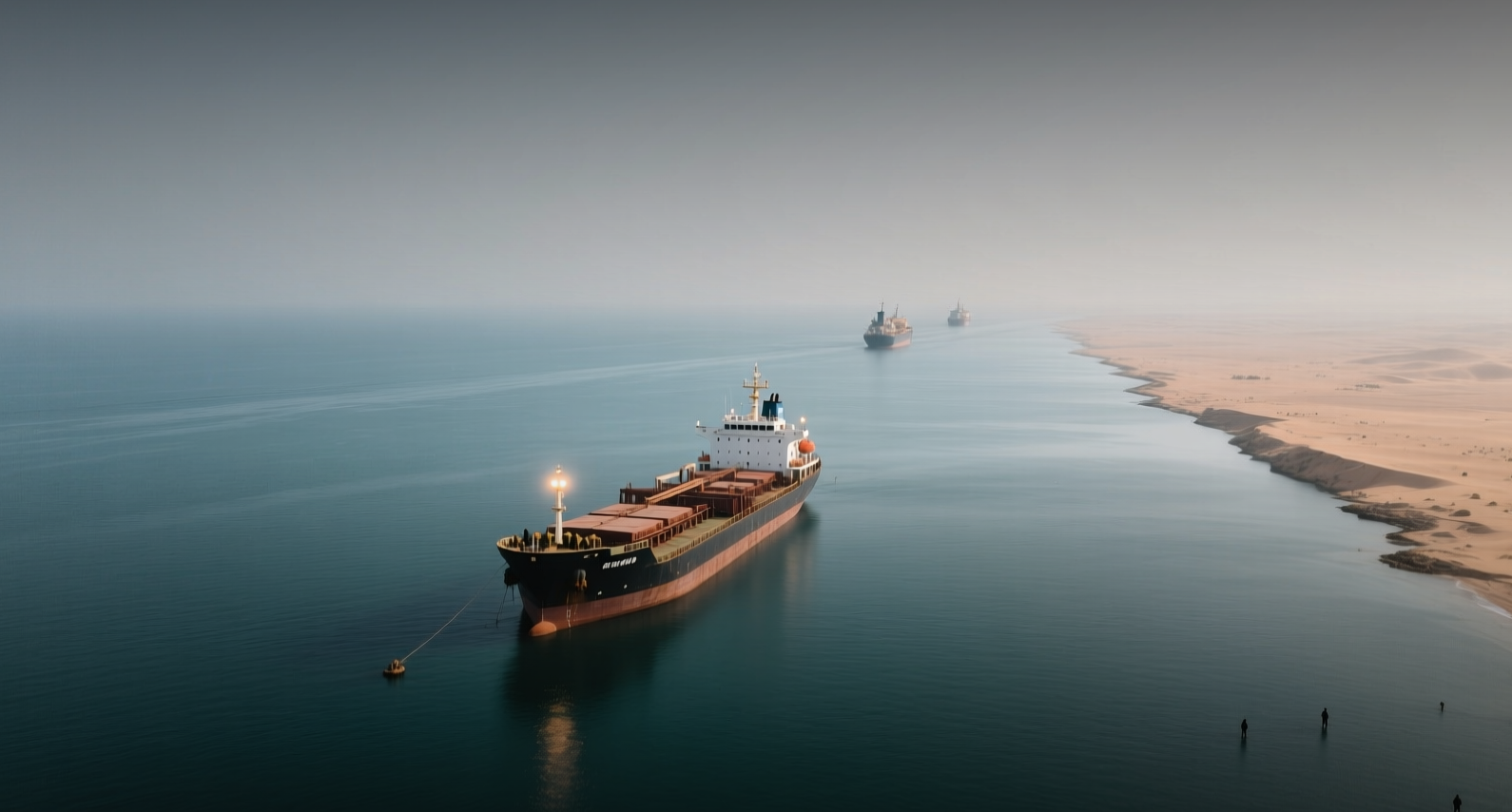
President Donald Trump said Iran faces "big trouble" over unpaid military salaries, asserting the Strait of Hormuz remains open with 24 vessels transiting overnight — even as shipping data shows commodity transits at a three-month low.
"Any agreement between these two parties does not mean there will be a normalisation of oil flows through this key chokepoint," ING Economics said in a note, adding that U.S. sanctions relief and lifting the blockade of Iranian ports would be needed first.
Kpler ship-tracking data shows only two commodity vessels entered the Gulf on Monday, the lowest daily tally since early May and below the 10-day median of 14. Five crossed on Tuesday, still well below the 10-day average of 15. Some ships have turned off navigation transponders during transit, which may understate actual traffic.
Before the conflict began six months ago, the strait carried about a fifth of global crude oil, liquefied gas and natural gas flows. With U.S. Treasury Secretary Scott Bessent announcing expanded sanctions that threaten dollar-based financial system access for countries trading with Iran, the risk premium on crude could widen further.
Iran's Persian Gulf Strait Authority has escalated enforcement, warning that vessels violating transit arrangements face fines, detention, or confiscation. The body has blacklisted 45 oil tankers for non-compliance and said ships engaging in ship-to-ship transfers with restricted vessels will also be added to the list. Cargo owners must check the updated list of non-compliant vessels before voyages into the Persian Gulf. Ships seeking removal from the restricted list must submit a request with explanations to Iran's maritime authorities.
The enforcement measures add a new layer of compliance risk for shipowners and charterers. Vessels found to have engaged with blacklisted tankers face being added to the restricted list themselves, creating a cascading risk for operators who may unknowingly interact with non-compliant ships. Insurance underwriters are likely to reassess war-risk premiums for Gulf voyages, a cost that typically gets passed through to cargo owners.
Iran has also resumed talks with Oman about managing the strait, exploring temporary joint shipping corridors and agreeing to remove mines from the waterway. The diplomatic channel comes as Washington tightens its economic pressure campaign, and follows months of escalating tensions that began with the U.S. military campaign against Iran.
Sanctions Escalation Raises Stakes for Oil Markets
Scott Bessent, the U.S. Treasury secretary, announced the expanded measures on Monday, warning that countries continuing to trade with Iran could lose access to the dollar-based financial system. He stopped short of imposing the most severe sanctions, leaving room for further escalation. Iran has promised to retaliate, expressing confidence that its main trading partners will resist Washington's pressure campaign.
The last time Washington imposed comparable sanctions on Iranian oil exports, in 2018, crude prices climbed sharply in the months that followed as exports were squeezed. The current standoff carries additional risk because Iran has threatened retaliation against the expanded measures and appears confident its main trading partners will resist U.S. pressure.
Meanwhile, traffic through Bab el-Mandeb, the other key chokepoint on the Arabian peninsula, has remained relatively stable, with 29 to 31 cargo vessels passing daily — in line with the 10-day average. This suggests the disruption is concentrated in the Gulf rather than spreading across regional shipping lanes.
For oil markets, the key question is whether the decline in Hormuz transits reflects a genuine supply disruption or simply rerouting and transponder shutdowns. If the strait's throughput continues to fall, the roughly one-fifth of global crude and gas flows that typically transit the waterway could face meaningful disruption, with direct implications for Brent and WTI pricing. Traders are also watching whether Iran's threat to retaliate against U.S. sanctions could extend beyond the strait, targeting tankers in the Gulf of Oman or the Arabian Sea. The divergence between Trump's public assurances and the shipping data highlights the uncertainty facing traders and charterers navigating the waterway.
This article is for informational purposes only and does not constitute investment advice.
