Tổng thống Donald Trump đã đạt được một thỏa thuận giảm leo thang giữa Israel và Hezbollah, với việc cả hai bên cam kết ngừng các hành động thù địch và Israel đảo ngược các động thái điều quân về phía Beirut.
Tổng thống Donald Trump đã làm trung gian cho một thỏa thuận giảm leo thang giữa Israel và Hezbollah vào hôm thứ Hai, đạt được các cam kết từ cả hai bên về việc ngừng các hành động thù địch và ngăn chặn một cuộc tấn công mặt đất của Israel vào nam Beirut.
"Sẽ không có quân đội nào tiến vào Beirut, và bất kỳ đội quân nào đang trên đường tới cũng đã được lệnh quay trở lại," ông Trump tuyên bố trên Truth Social sau cuộc điện đàm mà ông mô tả là "rất hiệu quả" với Thủ tướng Israel Benjamin Netanyahu.
Hezbollah, thông qua các trung gian, đã đồng ý ngừng mọi cuộc tấn công nhằm vào Israel để đổi lại việc Israel ngừng các cuộc không kích vào vùng ngoại ô phía nam Beirut, theo ông Trump. Bước đột phá này diễn ra sau một ngày cuối tuần giao tranh dữ dội, khi lực lượng Israel chiếm được Lâu đài Beaufort 900 năm tuổi — cuộc tiến công sâu nhất của họ vào Lebanon trong 26 năm — và ra lệnh tấn công vào khu vực Dahiyeh do Hezbollah kiểm soát, gây ra làn sóng di dời mới.
Thỏa thuận ngừng bắn loại bỏ nguy cơ trước mắt về một cuộc xâm lược toàn diện của Israel vào Beirut, một kịch bản có nguy cơ lôi kéo Iran trực tiếp tham gia và phá vỡ các nỗ lực ngoại giao rộng lớn hơn do Mỹ dẫn đầu nhằm chấm dứt xung đột với Iran. Bộ Ngoại giao Iran hôm thứ Hai cho biết lệnh ngừng bắn ở Lebanon là một phần không thể tách rời của bất kỳ thỏa thuận nào, liên kết hai mặt trận này với nhau.
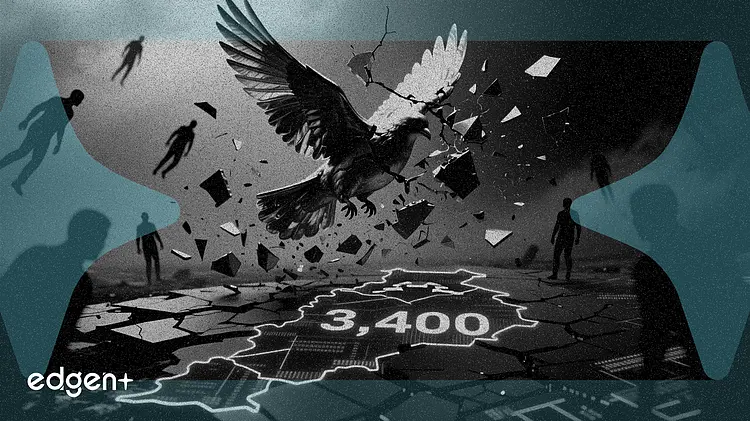
Cuộc xung đột bùng nổ vào ngày 2 tháng 3 khi Hezbollah nổ súng vào Israel để thể hiện tình đoàn kết với Iran khi nước này hứng chịu các cuộc tấn công của Mỹ và Israel. Kể từ đó, hơn 3.400 người đã thiệt mạng tại Lebanon và hơn 1 triệu người phải di dời, theo số liệu từ chính quyền Lebanon. Israel báo cáo 24 binh sĩ và 4 dân thường thiệt mạng trong cùng kỳ.
Hòa giải do Mỹ dẫn đầu gặp trở ngại
Đề xuất của Mỹ, do Ngoại trưởng Marco Rubio thúc đẩy qua các cuộc điện đàm với Tổng thống Lebanon Joseph Aoun và ông Netanyahu, đưa ra lộ trình giảm leo thang từng bước: Hezbollah sẽ ngừng mọi cuộc tấn công trước, và Israel sẽ không leo thang ở Beirut để đổi lại. Chủ tịch Quốc hội Lebanon Nabih Berri, một đồng minh của Hezbollah tự nhận bảo đảm cho cam kết của nhóm này, đã bác bỏ cách tiếp cận từng phần và yêu cầu một lệnh ngừng bắn toàn diện thay vào đó.
"Câu hỏi đặt ra là, ai sẽ buộc Israel ngừng hành động gây hấn của mình?" ông Berri phát biểu, theo truyền thông Lebanon.
Thỏa thuận được công bố hôm thứ Hai đã vượt qua bế tắc đó bằng cách để ông Trump trực tiếp nhận được các cam kết từ cả hai bên. Ông Trump cho biết ông đã liên lạc với Hezbollah "thông qua những Đại diện cấp cao."
Tác động thị trường
Việc giảm leo thang làm giảm mức bù rủi ro địa chính trị tại Trung Đông, một khu vực chiếm khoảng 30% nguồn cung dầu thô toàn cầu. Giá dầu Brent đã phản ánh xung đột mở rộng khi lực lượng Israel tiến sâu hơn vào Lebanon và chiếm Lâu đài Beaufort vào cuối tuần. Một lệnh ngừng bắn bền vững có thể khiến giá dầu giảm và các tài sản trú ẩn an toàn như vàng và đồng USD mất lại các mức tăng gần đây.
Lần cuối cùng Israel và Hezbollah đạt được một lệnh ngừng bắn do Mỹ làm trung gian — Nghị quyết 1701 của Hội đồng Bảo an Liên Hợp Quốc năm 2006 — đã kéo dài gần hai thập kỷ cho đến khi cuộc xung đột hiện tại bùng phát vào tháng 3. Liệu thỏa thuận lần này có bền vững hơn hay không phụ thuộc vào các cơ chế xác minh và liệu nó có được lồng ghép vào một giải pháp rộng lớn hơn cho cuộc đối đầu Mỹ-Iran hay không.
Bài viết này chỉ nhằm mục đích cung cấp thông tin và không cấu thành lời khuyên đầu tư.