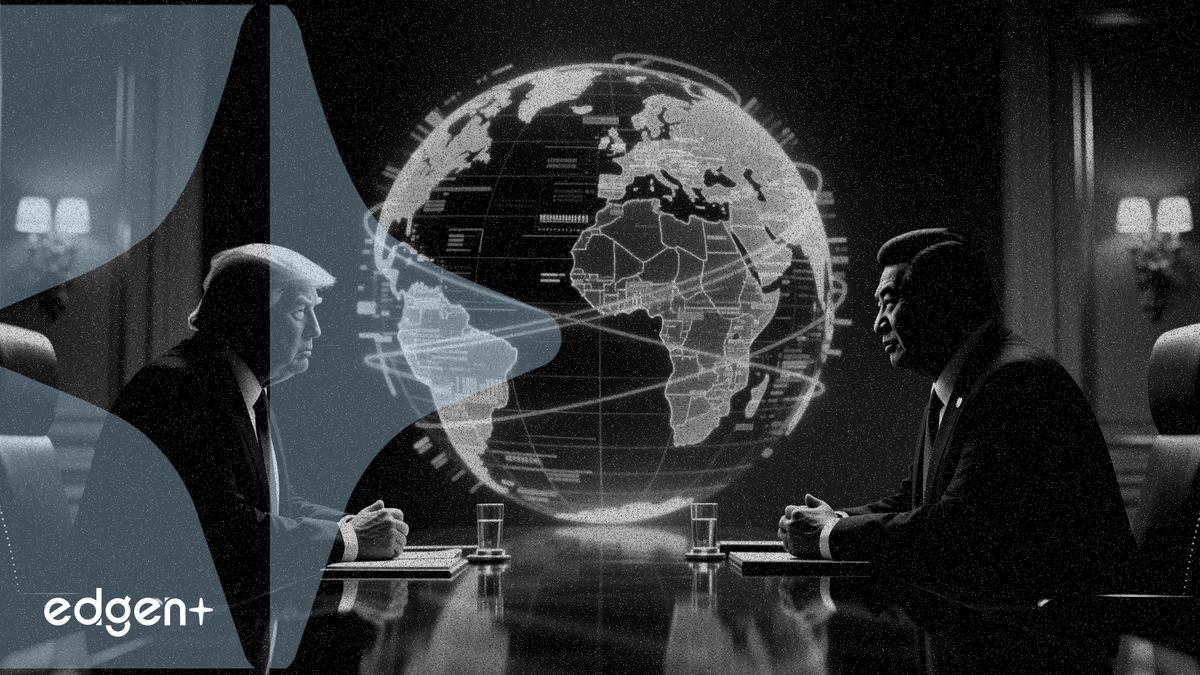
Le président américain Donald Trump et le président chinois Xi Jinping s'apprêtent à entamer jeudi à Pékin un sommet de deux jours, une rencontre pivot visant à stabiliser une relation soumise à une rude épreuve par les différends commerciaux et les conflits régionaux. Première réunion de haut niveau de ce type en huit ans, l'ordre du jour est chargé de questions litigieuses, notamment les tarifs douaniers, les contrôles technologiques et le statut sensible de Taïwan.
Le sommet se réunit dans un moment de « stabilité fragile » après une période turbulente, selon la Brookings Institution. Bien que de grands compromis ne soient pas attendus, les deux dirigeants recherchent des gains pragmatiques pour apaiser leurs opinions publiques nationales et empêcher une nouvelle escalade. Pour le président Trump, cela inclut la résorption du déficit commercial américain, tandis que le président Xi cherche à soutenir une économie affaiblie par les actions commerciales précédentes et à garantir l'accès aux technologies critiques.
Les analystes anticipent une rencontre transactionnelle, avec le potentiel d'un important « échange terres rares contre tarifs douaniers ». Cela pourrait impliquer que la Chine garantisse l'approvisionnement en minéraux critiques et accroisse ses efforts pour stopper les flux de fentanyl. En retour, les États-Unis pourraient envisager d'assouplir les tarifs douaniers et, surtout, de lever les restrictions sur l'exportation de semi-conducteurs avancés, que Pékin considère comme essentiels pour ses ambitions en matière d'intelligence artificielle. Pour faciliter un accord, M. Xi devrait proposer d'importants contrats d'achat de soja américain, de produits énergétiques et jusqu'à 500 avions Boeing.
Le contexte plus large du sommet est celui d'une compétition de puissance mondiale, le Parti communiste chinois étant identifié comme le principal financeur d'acteurs en Russie et en Iran. « M. Xi joue un jeu à long terme pour renverser les États-Unis en tant que première puissance mondiale », a écrit le comité de rédaction du Wall Street Journal. Cette tension sous-jacente informe chaque aspect des négociations, limitant la portée des accords potentiels à des gains incrémentiels à court terme qui maintiennent une stabilité précaire.
La question de Taïwan
La question la plus délicate et potentiellement la plus perturbatrice à l'ordre du jour est Taïwan. M. Xi ferait pression pour un changement significatif du langage américain, demandant à Washington de s'opposer formellement à l'indépendance de Taïwan, un pas au-delà de la posture actuelle de « non-soutien ».
Un tel changement, bien que semblant mineur, bouleverserait des décennies de politique américaine soigneusement élaborée qui a maintenu la paix dans le détroit de Taïwan. Pour Pékin, ce serait une victoire symbolique majeure vers son objectif de « réunification paisible ». Pour les États-Unis, cela risque d'aliéner les alliés de la région, en particulier le Japon, et pourrait être perçu comme une trahison par les partisans de la démocratie taïwanaise au Congrès. Le président Trump doit équilibrer l'octroi d'une victoire symbolique à la Chine avec les retombées économiques et géopolitiques catastrophiques qu'une crise dans le détroit de Taïwan déclencherait.
L'échiquier géopolitique
Au-delà des questions bilatérales, le sommet est compliqué par des conflits géopolitiques plus larges. La guerre initiée par les États-Unis avec l'Iran a directement impacté la Chine en fermant le détroit d'Ormuz, un canal clé pour ses importations de pétrole. Le président Trump pourrait utiliser cela comme levier, proposant potentiellement d'assouplir le soutien américain à Taïwan en échange de l'utilisation par la Chine de son influence pour forcer l'Iran à un cessez-le-feu permanent.
Le contre-amiral de la marine à la retraite Mark Montgomery a suggéré que le président Trump demande directement à M. Xi si la Chine fournit une assistance en matière de renseignement à l'Iran. Le sommet ne concerne donc pas seulement les relations américano-chinoises, mais la gestion d'un réseau complexe d'alliances et de rivalités mondiales. En fin de compte, cette rencontre hautement scénarisée est conçue pour projeter une image de stabilité et de contrôle, offrant aux deux dirigeants une plateforme pour démontrer leur stature d'homme d'État à leurs opinions publiques respectives tout en essayant d'éviter un conflit plus large.
Cet article est à titre informatif uniquement et ne constitue pas un conseil en investissement.