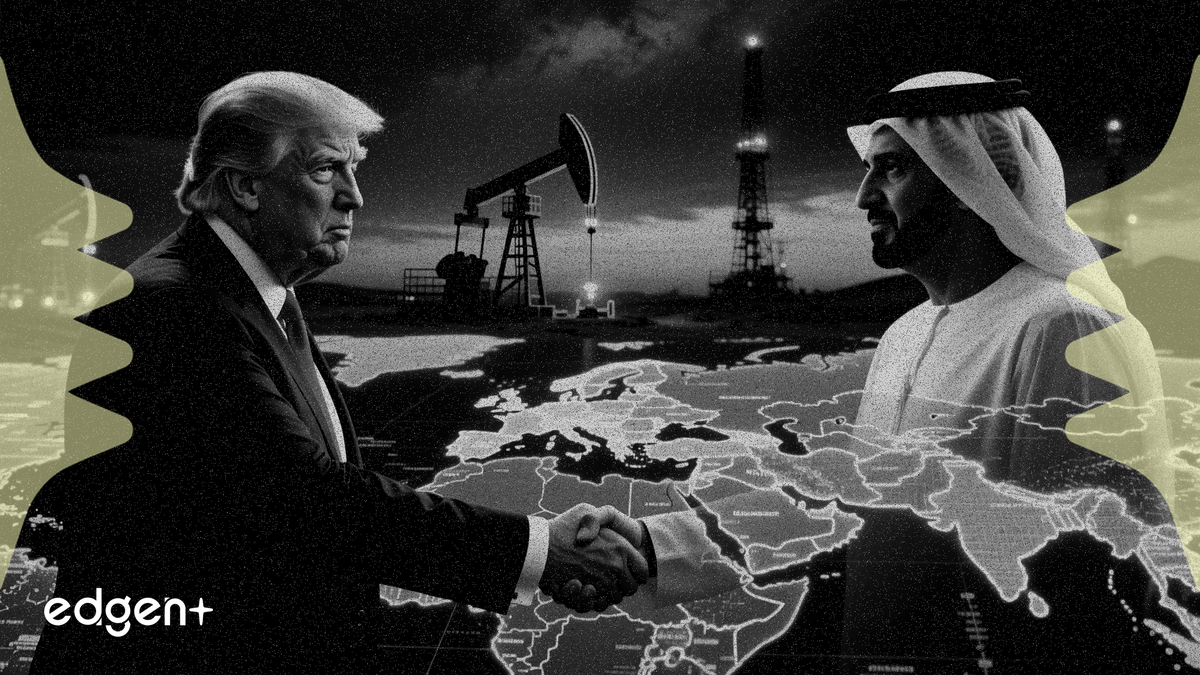
El presidente de Estados Unidos, Donald Trump, y el Emir de Qatar discutieron la estabilización de los mercados energéticos mundiales en una llamada telefónica, un movimiento diplomático de alto nivel mientras el conflicto en Oriente Medio envía ondas de choque a través de la industria petroquímica, impulsando los precios del petróleo crudo West Texas Intermediate (WTI) un ocho por ciento en la reciente apertura del mercado.
La discusión se produce mientras los analistas de Independent Commodity Intelligence Services (ICIS) advierten que la interrupción está lejos de terminar. "La guerra en Oriente Medio está asestando un golpe mucho mayor a la industria petroquímica mundial que cualquier evento comparable en el pasado", dijo Zhou Ying, analista senior de energía de ICIS, a Yicai. "Incluso un alto el fuego permanente no hará que los precios vuelvan a los niveles anteriores al conflicto a corto plazo".
El cierre del Estrecho de Ormuz a finales de febrero ha estrangulado una arteria crítica para el comercio mundial, a través de la cual fluye aproximadamente el 20 por ciento del petróleo mundial. El tráfico diario de buques se desplomó aproximadamente un 95 por ciento en marzo, según datos de la ONU. El impacto en los mercados asiáticos ha sido severo, con datos de ICIS que muestran que los precios del metanol se dispararon entre un 68 por ciento y un 141 por ciento a principios de abril desde finales de febrero. Oriente Medio también es un importante exportador de polietileno, lo que obliga a los compradores a buscar rutas alternativas desde los puertos de Omán a costes de envío mucho más altos.
El conflicto está obligando a una realineación a largo plazo de los flujos de energía globales y acelerando un giro hacia nuevas industrias relacionadas con la energía. Los daños en dos de los trenes de GNL de QatarEnergy han creado una escasez de suministro sostenida de 12,8 millones de toneladas al año, desplazando al mercado mundial de gas natural de un superávit previsto a un equilibrio ajustado. Los analistas proyectan ahora que las naciones asiáticas, que durante mucho tiempo han dependido de las importaciones de una sola fuente de Oriente Medio, se verán obligadas a asegurar el suministro a largo plazo de EE. UU., Rusia y África, recalculando la "prima de seguridad" de estas fuentes más caras pero más estables.
Este artículo es solo para fines informativos y no constituye asesoramiento de inversión.