
Key Takeaways: A global bond-market rout pushed Treasury yields toward 6%, sending U.S. stocks to a third consecutive session of declines.
Key Takeaways: A global bond-market rout pushed Treasury yields toward 6%, sending U.S. stocks to a third consecutive session of declines.
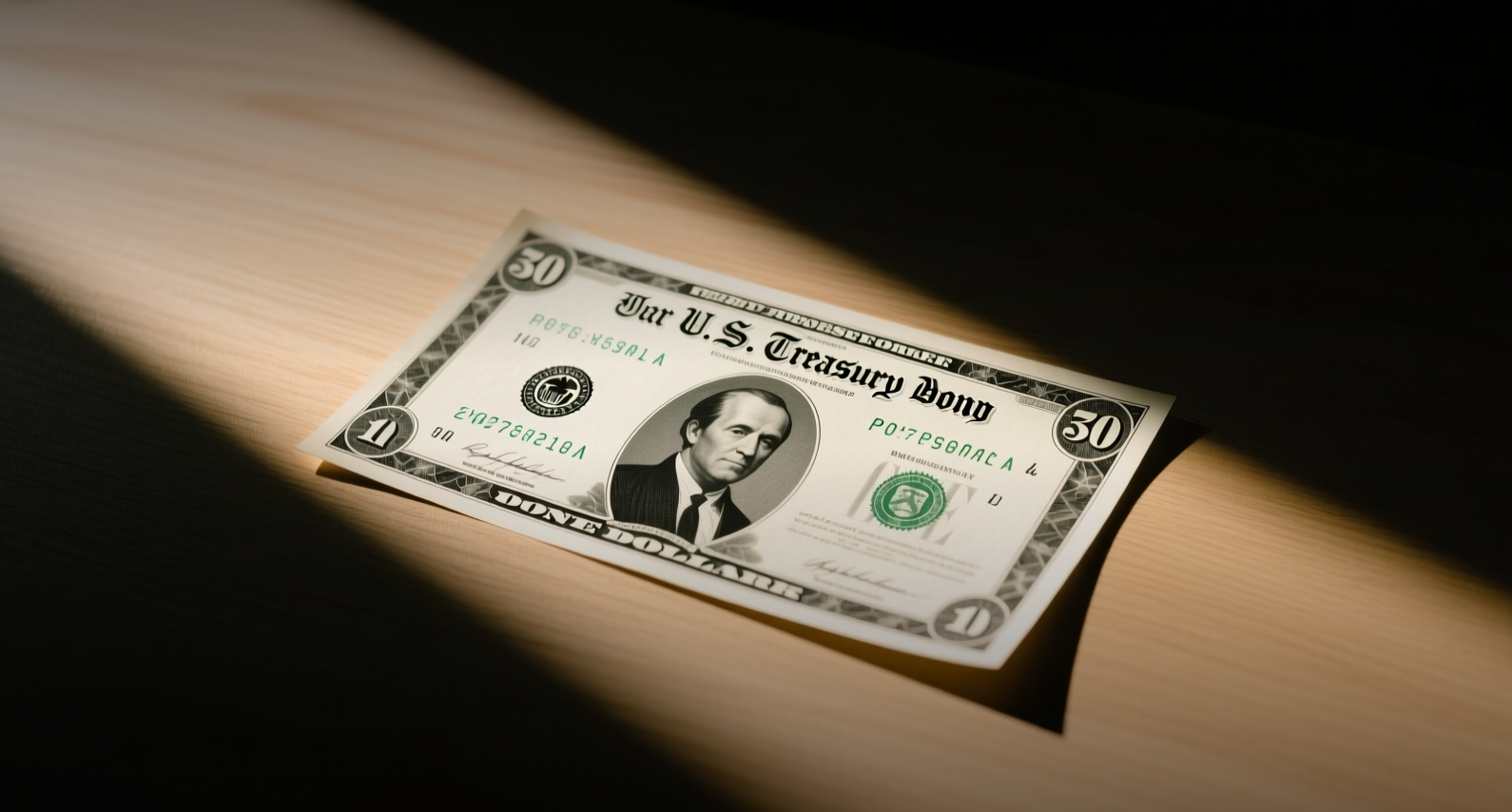
U.S. stocks fell for a third straight session Tuesday as Treasury yields approached 6%, the highest level in more than two decades.
"The 10-year yield has remained uncomfortably high as sporadic flare-ups in kinetic activity and unanswered questions around energy production and shipping disruptions in the Middle East have led markets to increase their expectations of a Federal Reserve rate hike," said Jeff Buchbinder, chief equity strategist at LPL Financial.
The Dow Jones Industrial Average lost 272.63 points, or 0.5 percent, to 53,459.78 on Monday, while the S&P 500 slid 40.7 points, or 0.5 percent, to 7,745.06, and the Nasdaq Composite dropped 84.25 points, or 0.3 percent, to 26,644.91. Communication Services and Consumer Staples each fell 1.5 percent, Financials declined 1 percent, and Energy was the sole gainer, advancing 0.9 percent. The CBOE Volatility Index rose 6.6 percent to 15.19, and volume of 14.74 billion shares came in below the 20-session average of 16.95 billion.
The 30-year Treasury yield climbed to its highest level since 2007, driven by concerns over the U.S. fiscal trajectory and heavy AI-related corporate debt issuance. Rising yields increase the discount rate applied to future corporate earnings, pressuring equity valuations, particularly in growth and technology stocks. Buchbinder expects the 10-year yield to finish the year between 4.00 percent and 4.50 percent once a diplomatic resolution to the Middle East conflict is reached.
The bond-market selloff has been compounded by oil prices climbing for a third consecutive day, with Brent crude settling at $90.87 a barrel, up 2.7 percent, after Iran said it would shift to a "fully offensive" military posture because efforts to negotiate a permanent end to the war with the U.S. have stalled. Washington has ruled out extending a temporary ceasefire agreement that expired on August 17.
July retail sales fell 0.6 percent, worse than the 0.1 percent increase forecast, raising concerns that higher energy costs are squeezing household budgets. Investors are now awaiting earnings from Home Depot, Walmart, and Target for clues about consumer resilience.
The 30-year Treasury yield traded near a two-decade high as the U.S. sold long-dated debt at its highest borrowing cost since 2001, while heavy corporate issuance tied to AI infrastructure spending added to supply pressure. Nvidia said Monday it would spend as much as $105 billion to back a data center in Ohio that will be leased to OpenAI, one of the largest financing commitments from the chipmaker toward supporting AI labs seeking more computing power.
Anthropic, meanwhile, is on track to generate annualized revenue of more than $65 billion based on current performance, up more than sevenfold from its pace at the end of last year, according to people familiar with the matter.
Buchbinder noted that when the 10-year yield rises in a sustained move above 4.3 percent, the three-month weekly correlation with the S&P 500 flips negative, suggesting stocks struggle above this level. Higher yields weigh more on materials, real-estate, and developed-market stocks, which have been the most negatively correlated assets to 10-year Treasury yields over the past year. Energy companies and crude oil futures could be relative outperformers if yields break higher, he said.
The dollar index slipped to 99.6, a two-month low against the euro, as traders pushed back expectations for the Fed's next move following benign consumer and producer price inflation data for July. Gold traded near $4,402 an ounce, while WTI crude settled at $84.50 a barrel, up 2.6 percent.
This article is for informational purposes only and does not constitute investment advice.
