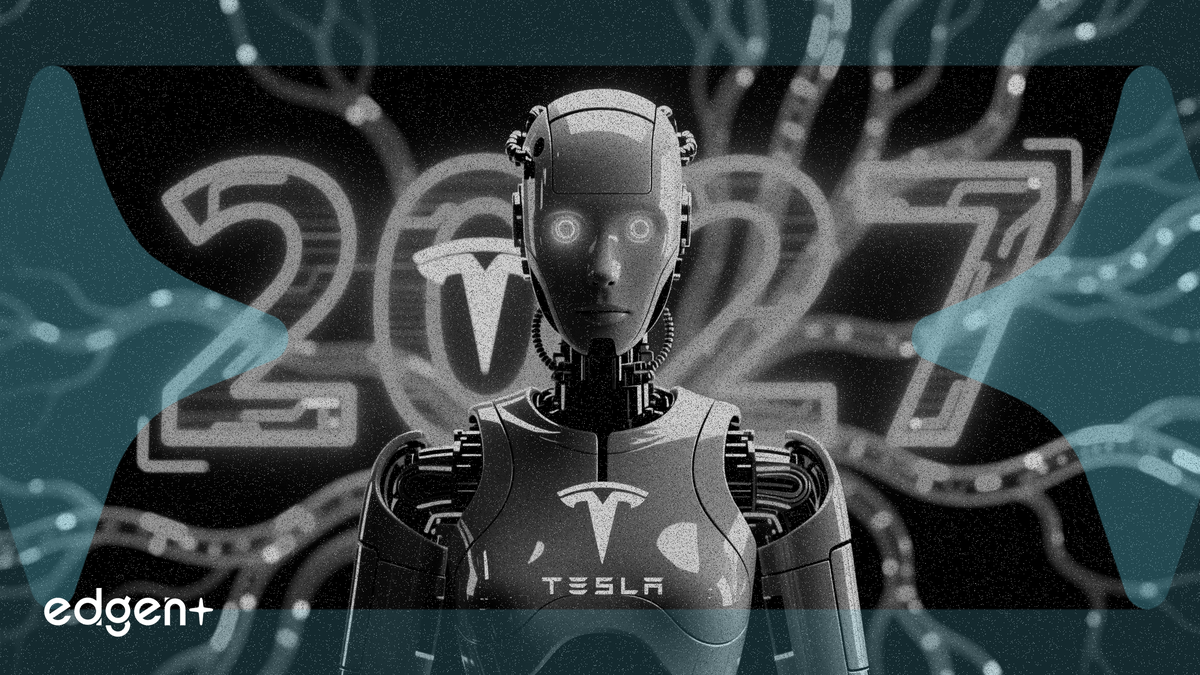
Tesla Ceases Model S/X Production, Targets 2027 for Optimus
On March 25, Tesla provided the clearest timeline yet for its humanoid robot ambitions, with CEO Elon Musk projecting mass production for the Optimus robot by 2027. The announcement, accompanied by a video showcasing new design details, signals a definitive strategic pivot for the company. Musk stated that initial production of the Optimus 3 model could begin as early as summer 2026, framing the project as a force that will "thoroughly change labor and manufacturing."
This move into robotics is supported by a significant restructuring of Tesla's automotive operations. The company confirmed it will end production of its two longest-running vehicles, the Model S and Model X, next quarter. These premium models accounted for a small fraction of sales, with the Model 3 and Model Y representing roughly 97% of Tesla's 1.6 million vehicle deliveries in 2025. The Fremont, California, factory currently used for the S and X will be repurposed for Optimus production, solidifying the company's transition from a pure-play EV maker to what it calls a "physical AI" company.
Automaker Bets $25B on 'Terafab' Amid Sputtering Car Sales
Underpinning Tesla's AI-centric future is a colossal manufacturing gamble: a $25 billion chip fabrication facility dubbed "Terafab." Announced as a joint venture with SpaceX and xAI, the Austin, Texas, plant aims to produce advanced 2-nanometer semiconductors in-house. Musk justified the venture by stating that existing suppliers like TSMC and Samsung cannot scale at the pace required for Tesla's vehicle, robotaxi, and robotics programs.
However, the announcement has been met with considerable skepticism. The plan to build one of the world's largest and most advanced semiconductor fabs with no prior experience draws parallels to Tesla's 2020 "Battery Day," where ambitious goals for its 4680 battery cell production have largely failed to materialize. This high-risk strategy comes as Tesla's core auto business faces headwinds, having posted its second consecutive year of declining sales in 2025, including its first-ever annual sales drop in China. For investors, the Terafab represents both the immense scale of Musk's vision and a critical execution risk for a company navigating a slowdown in its primary market.