

重要なポイント
- テスラの株価は先週、中国での完全自動運転(FSD)導入への期待から10%近く上昇しました。
- 中国での提供開始は、130万人の既存契約者と世界最大の電気自動車市場から、多額のソフトウェア収益をもたらす可能性があります。
- この動きはテスラの高利益率なAI主導型モデルへの転換を支えるものですが、規制の壁や激しい競争に直面しています。
重要なポイント
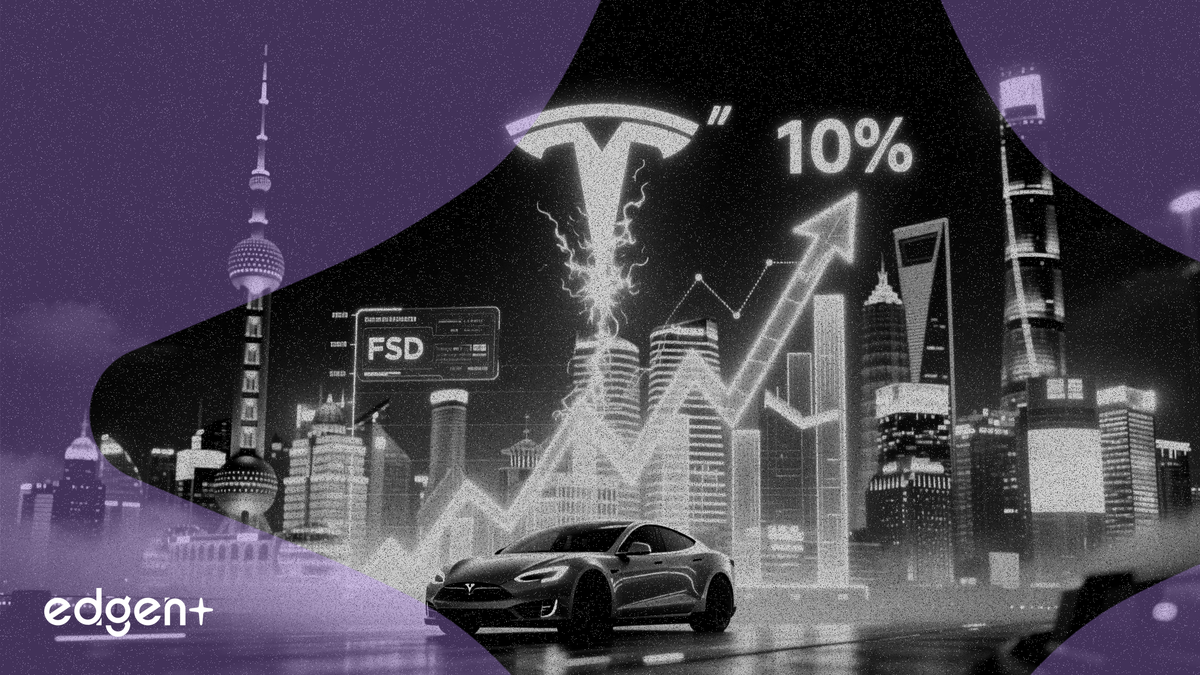
テスラの完全自動運転(FSD)ソフトウェアが中国で展開される可能性が、投資家の間に新たな楽観論を巻き起こし、先週の同社株価を10%近く押し上げました。SNS上の動きから示唆されたこの進展は、人工知能への多額の投資を収益化するための重要な推進力を象徴しており、世界最大の電気自動車市場において中国の地元有力企業に直接挑む形となります。
3日連続で2%、3%、4%の上昇を記録した株価の反発は、中国でのFSD提供開始が間近に迫っているという期待感によるものでした。テスラは正式な発表を行っていませんが、この市場への参入見通しは、自動車製造を超えた同社の長期的な成長ストーリーへの関心を再燃させました。FSDは現在、米国で最大月額99ドルを支払う130万人の加入者を抱えています。
中国でのリリースは、2025年の売上高の20%以上を占めた国において、テスラに新たな高利益率の収益源をもたらすことになります。最新のソフトウェアバージョンであるFSD v14.3.1は、重要なパフォーマンス指標である反応速度を20%向上させたと報じられています。現在の米国加入者ベースだけでも潜在的な年間収益は約15億ドルに達し、より巨大な中国市場における機会の大きさを示しています。
投資家にとって、中国でのFSDの成功は、同社の将来的なバリュエーションを正当化する一助となります。一部のモデルでは、1株あたりの適正株価を415ドルと予測しています。これは、テスラが自動車メーカーから、車両、人型ロボット「Optimus」、そして数十億ドル規模の「Terafab」構想を通じたチップ製造までを網羅する、垂直統合型のAI企業へと変貌を遂げつつあるという物語を強化するものです。
しかし、中国でのFSD展開への道は平坦ではありません。同社は規制当局の承認プロセスの停滞に加え、弱気派のアナリストが指摘する、独自の高度運転支援システムを開発するファーウェイ(華為技術)や小鵬汽車(XPeng)といった地元メーカーとの激しい競争に直面しています。これらのアナリストは、テスラの年間収益成長率を、強気目標の達成に必要な14.1%を大きく下回る、より保守的な6.2%と予測しています。
近年の株価パフォーマンスはAI戦略の成否にかかっており、中国でのFSD提供開始の可能性は重要な試金石となります。上昇余地は大きいものの、AIやロボット工学への巨額の設備投資は、FSDの普及などの収益化が実現しない場合、大きなリスクを伴います。
本記事は情報提供のみを目的としており、投資勧誘を目的としたものではありません。
