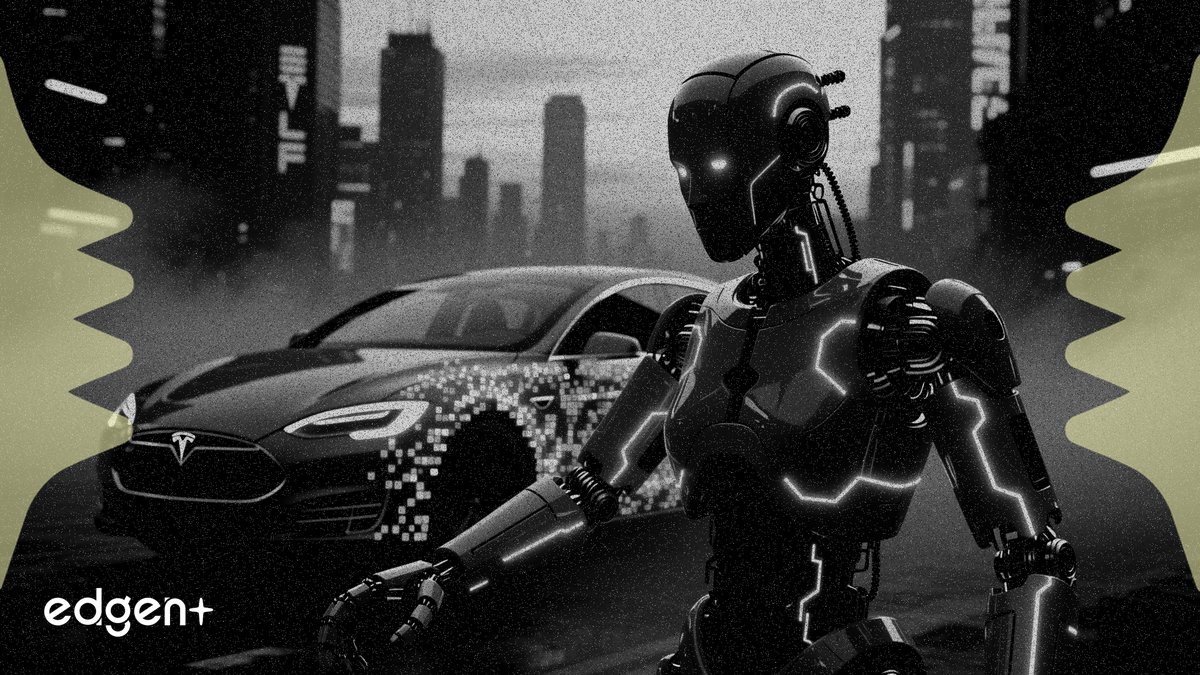
Tesla Inc. đã chấm dứt sản xuất dòng sedan Model S và xe thể thao đa dụng Model X, khép lại chương về hai dòng xe điện chủ lực đã định nghĩa thương hiệu và thúc đẩy sự chuyển dịch của ngành ô tô sang điện hóa sau 14 năm hoạt động. Công ty đã bán được tổng cộng khoảng 750.000 chiếc thuộc các phân khúc cao cấp này.
"Chúng tôi dự kiến sẽ thu hẹp quy mô sản xuất S và X vào quý tới và cơ bản là ngừng sản xuất," Giám đốc điều hành Elon Musk cho biết trong cuộc họp báo cáo kết quả kinh doanh vào tháng 1. "Điều đó hơi đáng buồn, nhưng đã đến lúc kết thúc các chương trình S và X, và đó là một phần trong quá trình chuyển đổi tổng thể của chúng tôi hướng tới một tương lai tự hành."
Những chiếc xe cuối cùng đã lăn bánh khỏi dây chuyền tại nhà máy của Tesla ở Fremont, California, một sự kiện được công ty ghi dấu trên mạng xã hội. Model S, được sản xuất lần đầu vào năm 2012, là một mẫu xe mang tính cột mốc, cung cấp sự kết hợp giữa phạm vi hoạt động 265 dặm, hiệu suất và nội thất tối giản, hướng tới công nghệ mà các nhà sản xuất ô tô truyền thống đã cố gắng sao chép trong hơn một thập kỷ qua. Model X nối tiếp vào năm 2015, giới thiệu cửa "Falcon Wing" đặc biệt và chứng minh rằng một chiếc SUV bảy chỗ cỡ lớn có thể chạy hoàn toàn bằng điện mà không ảnh hưởng đến hiệu suất. Trong suốt vòng đời của mình, cả hai mẫu xe đã chứng kiến những cải tiến đáng kể, đỉnh cao là các biến thể "Plaid" công suất hơn 1.000 mã lực có thể tăng tốc lên 60 dặm/giờ trong vòng chưa đầy 2,5 giây.
Việc ngừng sản xuất Model S và X, vốn có mức giá khởi điểm cao hơn nhiều so với các dòng Model 3 và Model Y phổ biến hơn, đại diện cho một bước chuyển chiến lược quan trọng của Tesla. Công ty đang ngày càng tập trung vào mảng kinh doanh robot và phát triển xe tự hành hoàn toàn, nhường lại phân khúc xe điện hạng sang cao cấp cho các đối thủ cạnh tranh như Lucid Motors, Rivian Automotive và thương hiệu Cadillac của General Motors.
Bài viết này chỉ nhằm mục đích cung cấp thông tin và không cấu thành lời khuyên đầu tư.