

핵심 요약:
- 텐센트가 OS 레벨 AI 비서 Marvis를 공개하고 일반 사용자가 다운로드할 수 있도록 출시했습니다.
- 이 비서는 복잡한 작업을 처리하기 위해 6개의 협업 AI 에이전트 팀을 사용합니다.
- 이번 출시는 경쟁사인 알리바바가 자체 AI 칩 및 모델 개발을 가속화하는 가운데 이루어졌습니다.
핵심 요약:
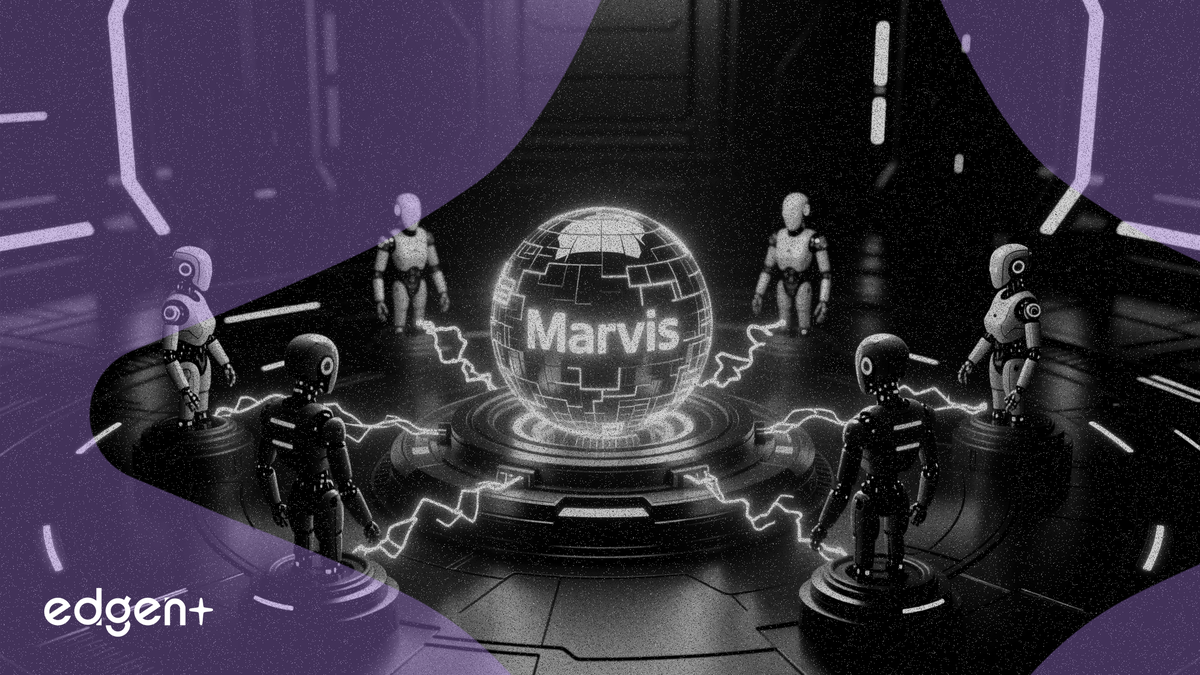
텐센트 홀딩스(Tencent Holdings Ltd.)는 운영 체제 수준의 AI 비서 Marvis를 출시하며, 방대한 기술 생태계에 AI를 통합하려는 경쟁에서 알리바바 그룹 홀딩스(Alibaba Group Holding Ltd.)와 맞붙게 되었습니다. 5월 20일부터 공개 다운로드가 가능해진 이 비서는 기기와 애플리케이션 전반에서 작업을 관리하기 위해 혁신적인 6개 에이전트 아키텍처를 사용합니다.
텐센트는 성명을 통해 "Marvis는 터미널 시스템, 파일, 애플리케이션, 컴퓨팅 파워 및 교차 기기 연결을 통합된 AI 미들웨어 레이어로 결합합니다"라고 밝혔습니다.
이 비서는 파일, 컴퓨터, 앱, 브라우저, 검색 등 5개의 전문 에이전트에게 작업을 배분하여 조율하는 기본 AI 에이전트가 사전 설치되어 있습니다. 이러한 병렬 처리 설계는 초대 코드 없이도 즉시 사용 가능한 기능을 제공하도록 고안되었습니다. 텐센트는 구체적인 성능 벤치마크를 공개하지 않았지만, 이번 출시는 라이벌 알리바바가 더 강력한 '전무(Zhenwu)' AI 칩을 최근 공개한 데 이어 나온 것입니다.
이번 행보는 텐센트의 AI 전략 가속화를 의미하며, 사용자 참여를 높이고 광범위한 서비스 포트폴리오 전반에서 더욱 원활한 경험을 제공하는 것을 목표로 합니다. 하지만 발표 당일 텐센트 주가(00700.HK)가 1.5% 하락하면서, 투자자들은 Marvis가 매출을 견인하고 알리바바 및 기타 AI 업체들의 제품과 효과적으로 경쟁할 수 있는 능력에 대한 구체적인 증거를 기다리고 있는 것으로 보입니다.
Marvis의 출시는 AI 기반 서비스에 대한 증가하는 수요를 선점하려는 텐센트에게 중요한 단계입니다. 운영 체제 수준에서 비서를 통합함으로써 텐센트는 독립형 AI 애플리케이션보다 더 깊이 내장된 경험을 제공할 수 있습니다. 이는 위챗(WeChat) 및 QQ와 같은 인기 앱을 포함한 텐센트 생태계 내에서 사용자 고착도를 높이는 결과로 이어질 수 있습니다.
중국의 AI 경쟁 구도는 더욱 가열되고 있습니다. 알리바바의 전무 칩 외에도 다른 현지 기술 거물들도 AI 개발에 막대한 투자를 하고 있습니다. Marvis의 성공 여부는 경쟁사보다 뛰어난 사용자 친화적이고 효율적인 경험을 제공할 수 있는지에 달려 있습니다. 시장의 초기 반응은 투자자들이 텐센트의 AI 야망을 전적으로 수용하기 전에 가시적인 결과를 확인하려는 관망세를 취하고 있음을 시사합니다.
이 기사는 정보 제공 목적으로만 작성되었으며 투자 조언을 구성하지 않습니다.
