

主なポイント:
-
ホルムズ海峡の重大な封鎖により、石油・ガス設備への需要が急増し、テナリス(TS)の株価が上昇しています。
-
ウエスト・テキサス・インターミディエイト(WTI)原油は、2月の安値から95%以上急騰して1バレルあたり120ドル近辺で取引されており、中東以外での生産への緊急投資を促しています。
-
石油および精製スプレッドのパフォーマンス(2026年2月〜4月):
主なポイント:
ホルムズ海峡の重大な封鎖により、石油・ガス設備への需要が急増し、テナリス(TS)の株価が上昇しています。
ウエスト・テキサス・インターミディエイト(WTI)原油は、2月の安値から95%以上急騰して1バレルあたり120ドル近辺で取引されており、中東以外での生産への緊急投資を促しています。
石油および精製スプレッドのパフォーマンス(2026年2月〜4月):
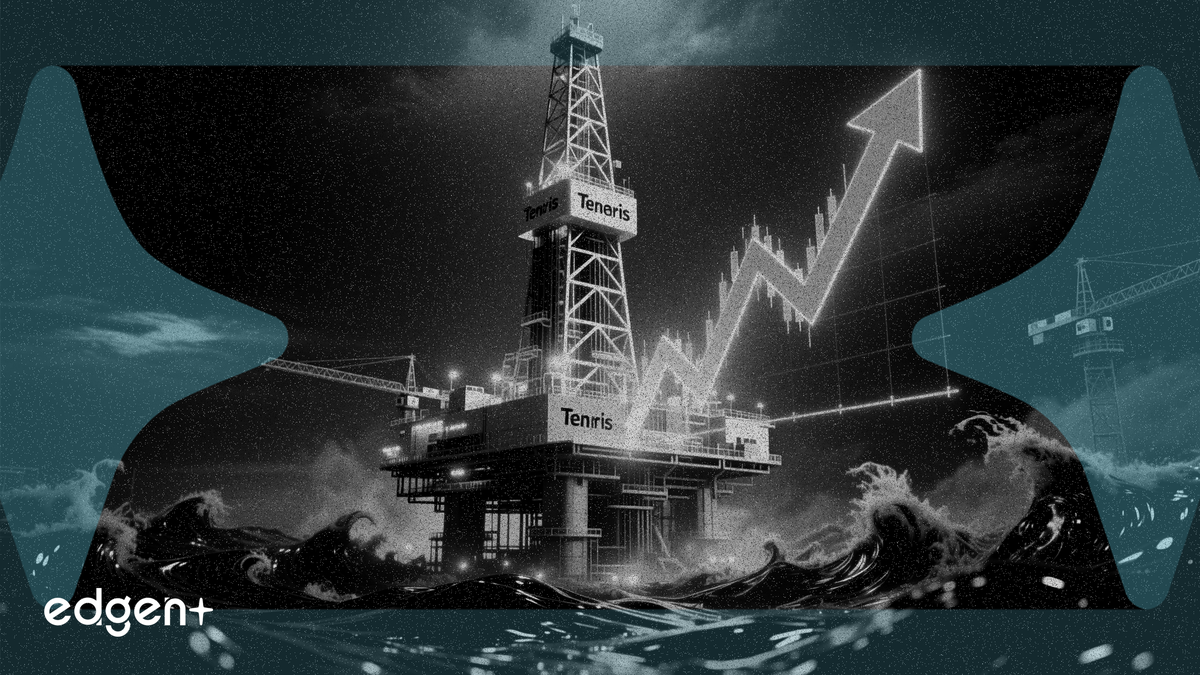
テナリス(Tenaris SA)の株価は水曜日、ホルムズ海峡の封鎖によって原油価格が2022年以来の高値に急騰したことを受け、5%以上上昇しました。掘削業者が中東以外のプロジェクト向けに設備を確保しようと急いでいるため、同社の石油・ガス用パイプへの需要が高まっています。
Barchart.comのシニア・コモディティ・アナリスト、アンドリュー・ヘクト氏は次のように述べています。「世界の海上輸送石油の20%が突如としてリスクにさらされたことで、市場は供給の安全確保のために多額のプレミアムを支払っており、それは中東以外での掘削を意味します。テナリスはこの危機における典型的な『つるはしとシャベル(周辺機器・サービス)』銘柄です。彼らは価格リスクを負わず、現在猛烈な需要がある設備を売るだけなのです」
供給ショックにより、NYMEX WTI原油先物は2月の安値61.12ドルから3月の高値119.48ドルまで95.5%上昇しました。国際的な指標であるICEブレント原油も同期間に83.2%上昇し、119.40ドルと、やや緩やかではあるものの同様の上昇を見せました。この上昇は石油製品にも波及し、卸売ガソリン先物は約85%上昇して1ガロンあたり3.3854ドルに達しました。
この危機は、世界の石油供給における構造的な投資不足の結果を露呈させており、市場がたった一つの地政学的ショックに対して脆弱であることを示しました。ホルムズ海峡封鎖の迅速な解決が見込めず、イランが支援するフーシ派による紅海航路への攻撃が脅威となる中、持続的な価格変動とエネルギー安全保障の争奪戦は、テナリスや競合のシェブロン(NYSE:CVX)のような設備・サービス・プロバイダーに利益をもたらすことになります。
WTI原油とブレント原油のスプレッドの拡大は、地政学的な変化を浮き彫りにしています。より軽質でスイートなWTIはガソリン精製に理想的であり、北米石油の指標となります。欧州、アフリカ、中東からの世界石油の3分の2の指標であるブレントは、ホルムズ海峡の混乱の影響をより受けやすくなっています。そのため、封鎖によって影響を受けていないWTIの需要が高まり、ブレントをアウトパフォームしています。このダイナミクスは、テナリスのシームレスおよび溶接鋼管の主要市場である北米での掘削と生産を直接的に刺激しています。
パニックが最も顕著に現れているのは精製マージン、いわゆる「クラックスプレッド」です。1バレルのWTIをガソリンに精製した際の利益であるガソリン・クラックスプレッドは、161.6%上昇して1バレルあたり40ドルを超えました。さらに劇的なことに、ディーゼルやジェット燃料のマージンを反映する中間留分クラックスプレッドは160.6%爆発的に上昇し、過去最高の92.95ドルに達しました。通常、春先にはガソリンスプレッドが先行しますが、ブレントとの関連がより強い中間留分の極端な動きは、中東の供給混乱の深刻さを強調しています。航空会社がジェット燃料不足と前年比2倍以上に跳ね上がった価格に直面しており、この危機はすでに欠航便の続出を招いています。
今後の原油価格の推移は、ほぼ完全に地政学次第となります。機雷の除去だけで最大6ヶ月かかる可能性があるホルムズ海峡が迅速に再開されれば、価格は急落するでしょう。逆に、パイプライン、港湾、タンカーに対するイランやフーシ派の攻撃が激化すれば、価格はさらに急騰する可能性があります。このような不安定な環境下で、産油国は政治的に安定した地域への投資を加速させており、この傾向は、新規生産の稼働に必要な不可欠な設備の主要サプライヤーであるテナリスに直接的な利益をもたらします。
本記事は情報提供のみを目的としており、投資勧誘を目的としたものではありません。
