
The US imposed a 12.5% tariff on Swiss imports over forced labor allegations that Switzerland formally rejected, putting Swiss exporters at a disadvantage to European competitors.
The US imposed a 12.5% tariff on Swiss imports over forced labor allegations that Switzerland formally rejected, putting Swiss exporters at a disadvantage to European competitors.
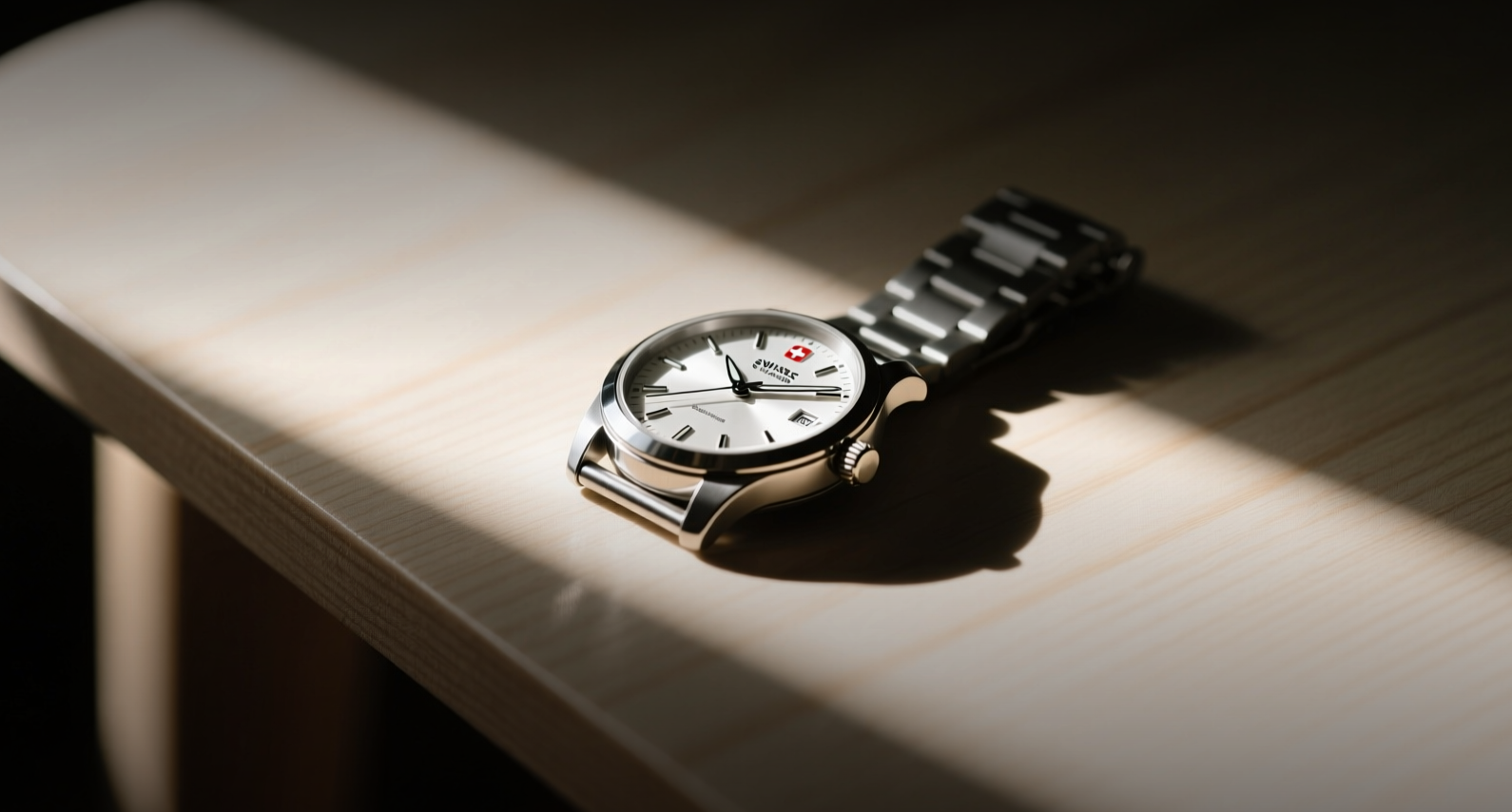
The US slapped a 12.5% tariff on Swiss imports July 24 under a forced labor investigation, a move Switzerland rejected as unfounded and one that disadvantages Swiss exporters against European rivals.
"There is no evidence that Swiss supply chains are being used to smuggle goods produced through forced labor into the US market," Economiesuisse, the Swiss business association, said, calling the allegations unfounded. "Forced labor is already prohibited in Switzerland under constitutional, civil and criminal law."
The tariff, imposed under Section 301 of the Trade Act of 1974, took effect at 12:01 a.m. EDT Friday as President Donald Trump's temporary 10% global tariff expired. Goods in transit are exempted until July 28. The US action covers 99.4% of imports from 60 trading partners, with rates of 10% or 12.5%, though it exempts oil and gas, fertilizer, certain foodstuffs, and goods already subject to Section 232 national security tariffs such as autos, steel, aluminum and copper. Aircraft and parts, along with critical minerals, are also exempted. The restored exemption for polished diamonds was significant for Belgium, which exported $2.1 billion of the stones to the US in 2024, according to the Antwerp World Diamond Centre.
The new duties threaten Switzerland's export-oriented economy, where pharmaceuticals, watches and machinery account for a significant share of shipments to the US. Swiss exporters now face higher costs than competitors from the European Union and Britain, which received lower effective rates under existing trade agreements, potentially shifting trade flows and weighing on the Swiss franc.
A Widening Competitive Gap
The European Union, whose member states also face forced labor allegations, saw its combined tariff rate held to 10% under the EU-US Joint Statement of November 2025, according to a European Commission spokesperson, who said the outcome provided "positive momentum" to continue exploring further tariff exemptions. Britain, which is not a target of a separate Section 301 investigation into industrial overcapacity, said the move would have no negative effects and noted zero tariffs on whisky and medical technology under its existing trade deal.
"The new tariff rate increases the costs of Swiss exports without eliminating the existing uncertainty," Economiesuisse said, referring to the ongoing Section 301 probe into alleged overcapacity that targets 16 trading partners including Switzerland.
French Trade Minister Nicolas Forissier said that, while the legal basis raised questions, the tariffs nonetheless provided greater visibility for businesses. Former EU chief negotiator Ignacio Garcia Bercero, now a senior fellow at think tank Bruegel, said the US had sought to ensure the new duties respected the tariff aspects of the EU-US trade deal, but noted that additional tariffs from the overcapacity investigation were still to come.
Legal and Diplomatic Pushback
The Swiss government said the US was adhering to past commitments on tariff ceilings of up to 12.5% under the November 2025 joint statement, even as it disputed the underlying allegations. USTR Jamieson Greer defended the action, saying "the United States has had a forced labor import ban for nearly a century, and rigorously enforces it. It's well past time for our trading partners to do the same."
The tariffs are likely to face less legal risk than Trump's earlier global duties, which the Supreme Court struck down in February, because Section 301 has survived prior court challenges. Kelly Ann Shaw, a former White House trade adviser in Trump's first term and a partner at Akin Gump Strauss Hauer & Feld, said the new tariffs tracked what had been telegraphed, though some changes had been made including the addition of 471 products to an exclusion list. "I think this is more status quo in terms of the economic impact," she said.
The broader trade escalation carries risks for global commerce. A separate Section 301 investigation into industrial overcapacity threatens additional tariffs on 16 trading partners including Switzerland, the EU, China, Japan, India, South Korea and Taiwan. If the probe yields further duties, bilateral trade tensions could deepen, potentially disrupting supply chains in pharmaceuticals and precision machinery.
This article is for informational purposes only and does not constitute investment advice.
