

Data center operators racing to cool high-density AI racks now have a simpler path to liquid cooling without ripping out existing infrastructure.
Data center operators racing to cool high-density AI racks now have a simpler path to liquid cooling without ripping out existing infrastructure.
Data center operators racing to cool high-density AI racks now have a simpler path to liquid cooling without ripping out existing infrastructure.
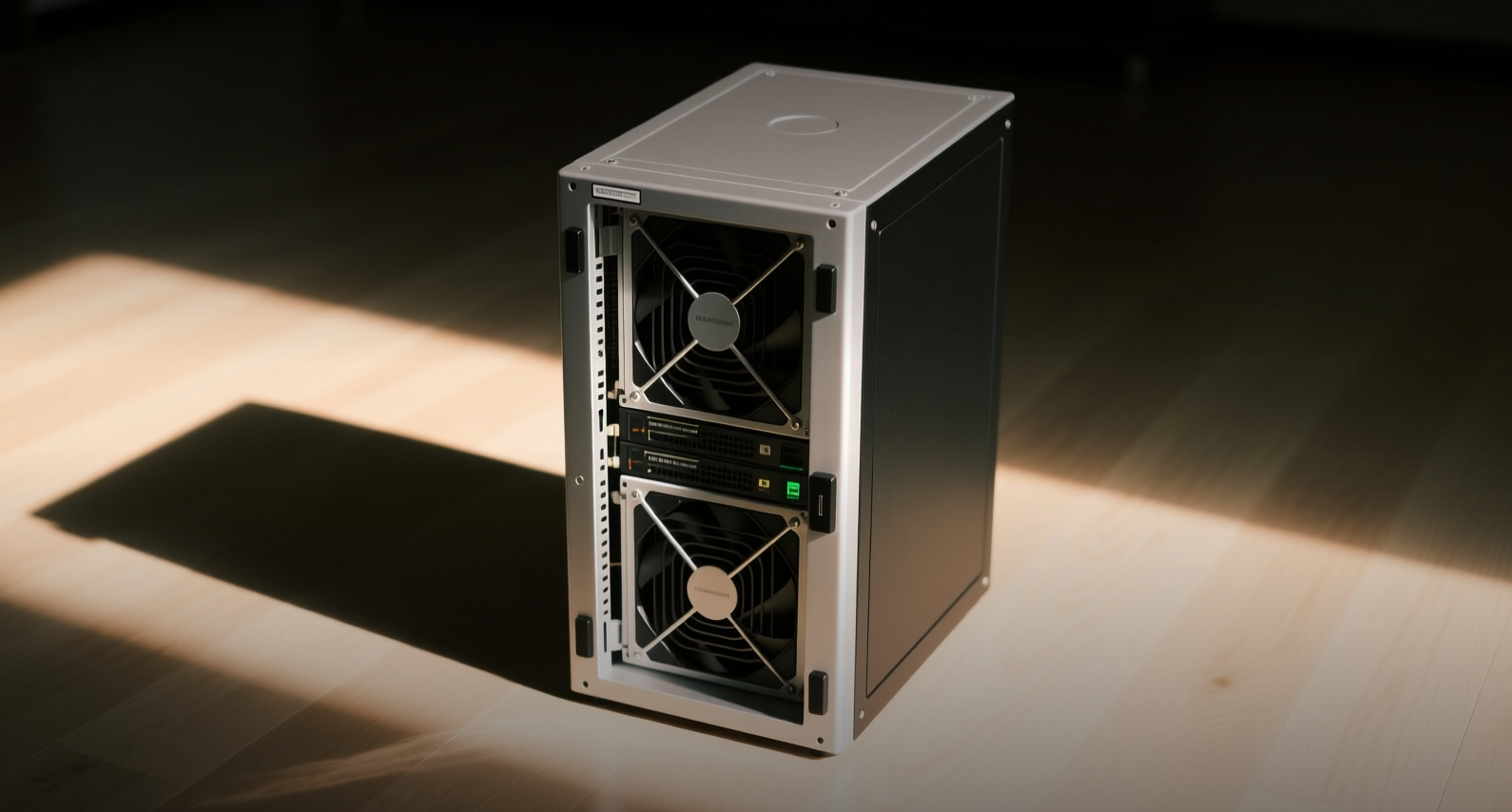
Supermicro's expanded Rear Door Heat Exchanger portfolio, announced July 15, adds 10 models supporting cooling capacities from 10kW to 120kW per door — and as much as 240kW at the rack level — giving both new and legacy data centers a retrofit-friendly route to liquid cooling for AI and HPC workloads.
"We continue to expand our DCBBS offerings to provide our customers with unmatched customization and optimization options," Charles Liang, president and CEO of Supermicro, said. "Our expanded RDHx portfolio helps customers realize the benefits of liquid cooling, with a range from 10kW up to 120kW of cooling at the door level, with a max of 240kW of cooling capacity at the rack-level, enabling more efficient data center operations."
The RDHx units mount directly to standard EIA, ORv3, and MGX racks without requiring dedicated facility chilled water or additional hardware, according to the company. They can serve as a standalone liquid cooling solution or integrate with Supermicro's Direct-to-Chip technology as part of the company's Data Center Building Block Solutions framework. Key features include intelligent fan control with N+1 redundancy, anti-condensation protection, and real-time monitoring of temperature, pressure, flow rate, and pump status via Redfish, SNMP, web-based management, or Supermicro's SuperCloud Composer software. Both DC-powered models — which connect to rack busbars — and AC-powered models are available.
The timing aligns with a broader industry shift. AI workloads from Nvidia's H100 and upcoming Blackwell GPU clusters routinely push per-rack power densities past 40kW, levels where traditional air cooling becomes inefficient or impossible. The Uptime Institute estimates that 60 percent of data center operators will deploy liquid cooling by 2027, up from roughly 20 percent today. Supermicro's expanded portfolio positions it to capture a share of that transition, particularly among operators seeking to avoid the cost and downtime of full facility overhauls.
Supermicro has been building momentum across its infrastructure lineup. On July 8, it launched Kubernetes Edge AI appliances built with Red Hat and Everpure's Portworx platform for running AI inference at edge locations. In late June, it introduced a DCBBS Blueprint for HPC based on Nvidia's Vera Rubin NVL4 platform, with each Scalable Unit housing up to 1,152 Rubin GPUs and 576 Vera CPUs. The company also refreshed its edge computing lineup with Intel Core Ultra Series 3 processors and Intel Arc Pro B-series GPUs.
The RDHx portfolio is available now as part of Supermicro's DCBBS offering, which includes accelerated systems, rack-scale integration, facility power and cooling, management software, and global deployment services. The company said the solution helps customers reduce Time-to-Online by simplifying procurement and lowering integration risk.
Supermicro shares trade on the Nasdaq under the ticker SMCI. The company competes with Dell Technologies, Hewlett Packard Enterprise, and Lenovo in the AI server market, while liquid cooling rivals include CoolIT Systems and Boyd Corporation's Lytron unit. As hyperscalers and enterprise operators alike confront the thermal demands of next-generation AI hardware, the ability to deploy liquid cooling without major facility modifications could become a meaningful competitive differentiator.
This article is for informational purposes only and does not constitute investment advice.
