
The reopening of the Strait of Hormuz offers a glimmer of hope for easing oil supply constraints, yet the U.S. government's own energy analysts predict sustained high fuel prices.
The reopening of the Strait of Hormuz offers a glimmer of hope for easing oil supply constraints, yet the U.S. government's own energy analysts predict sustained high fuel prices.
The Strait of Hormuz is now open, according to U.S. Secretary of Defense Hegseth, a development that signals a major de-escalation in the month-long conflict with Iran. While the news may suggest imminent relief for consumers battered by soaring fuel costs, the U.S. Energy Information Administration issued a stark warning that prices could continue rising for months.
"Just as we had never before seen the strait close, we've never seen it reopen. What exactly that looks like remains to be seen," the EIA, the U.S. Department of Energy's statistical arm, said in its latest short-term energy outlook. The agency’s cautious tone directly counters assurances of immediate relief for consumers.
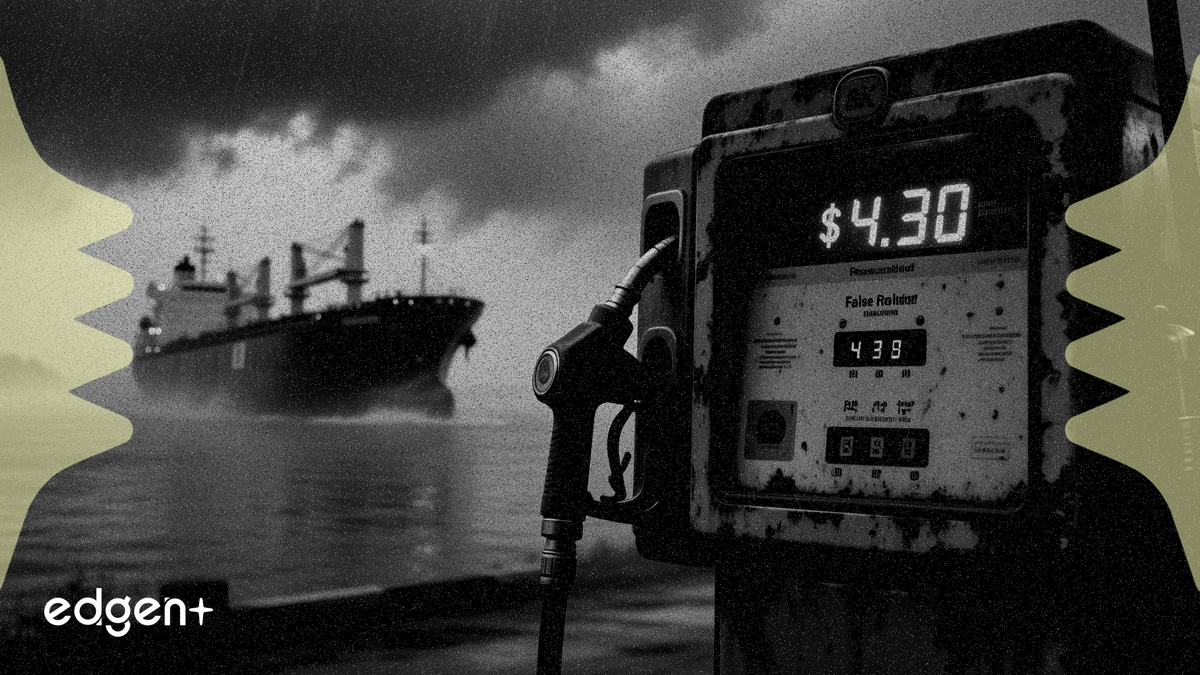
The EIA report forecasts that U.S. retail gasoline prices are likely to peak at a monthly average of $4.30 a gallon in April and average more than $3.70 a gallon for the year. As of Tuesday, the national average stood at $4.14 a gallon, the highest since August 2022, according to GasBuddy data. Diesel prices are projected to surge even higher, potentially peaking at a monthly average of $5.80 a gallon in April, threatening the record of $5.83 set in June 2022.
The disconnect between the waterway's reopening and the persistent high price forecasts highlights the deep uncertainty facing energy markets. The EIA expects a full restoration of oil flows through the critical chokepoint to take months, keeping oil prices above pre-conflict levels for the rest of the year. The blockage had sent oil and fuel prices skyrocketing as vessels were blocked from the strait, a conduit for about a fifth of the world's daily oil consumption.
"Motor fuel prices could surge past $5 a gallon and hit a new record within weeks if there is no clear plan to reopen the Strait of Hormuz," GasBuddy analyst Patrick De Haan told Reuters last week. The Middle East's role as a key supplier of both diesel and the crude grades that yield the highest amount of it has exacerbated the price pressure on the fuel, which is a critical input for the transport and logistics industries. While a ceasefire may be taking hold, the economic consequences for consumers and industries appear far from over.
This article is for informational purposes only and does not constitute investment advice.