


Key Takeaways:
- Stellantis and Leapmotor are in advanced talks for a joint venture.
- The venture would produce an Opel-branded EV using Leapmotor's tech.
- Production is planned for Stellantis's Zaragoza plant in Spain.
Key Takeaways:
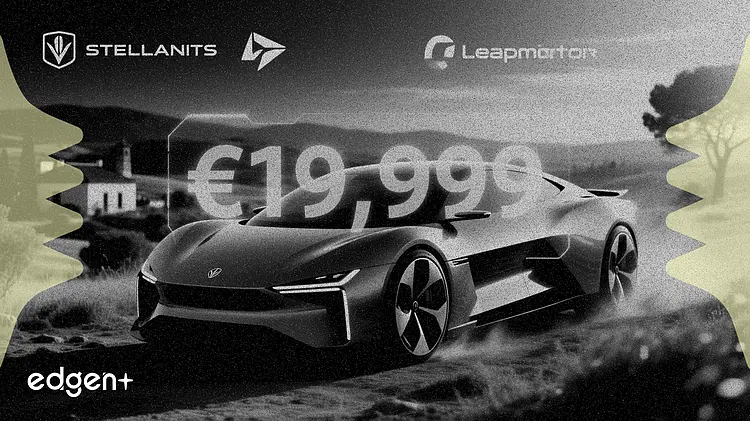
Stellantis NV is in advanced negotiations with China’s Leapmotor to jointly produce an electric vehicle at its Zaragoza, Spain facility, a move that could see an Opel-branded SUV hit the European market for under €20,000. The partnership would leverage Leapmotor’s cost-efficient technology, potentially giving Stellantis a powerful entry into the affordable EV segment currently dominated by Chinese automakers.
“This is a significant step in our global electrification strategy,” a source familiar with the matter said. “By integrating Leapmotor’s advanced and cost-effective EV platform, we can bring a truly affordable and high-quality Opel electric SUV to the European market much faster than we could alone.”
The proposed joint venture would see the production of an Opel EV based on Leapmotor's A1 platform, with a target production of 150,000 units annually. The vehicle is expected to be priced competitively, aiming for a sub-€20,000 price point to challenge the likes of Dacia Spring and other low-cost Chinese EV imports. Production is slated to begin in 2026, pending final agreements and regulatory approvals.
For Stellantis, this deal offers a fast-track to competing in the budget-friendly EV space, a segment where it has struggled to gain a foothold. The automaker, which owns brands like Peugeot, Citroen, and Fiat, has been vocal about the "Chinese invasion" of the European car market. This partnership represents a strategic shift from defense to offense, using a Chinese partner’s technology to its own advantage. The move could significantly impact Stellantis’s profitability, as it would allow them to produce an EV at a much lower cost base. Stellantis shares, trading at a forward P/E of around 4.5x, could see a positive reaction if the deal is confirmed. For Leapmotor, this is a major win, providing it with immediate access to the European market and a major manufacturing partner. It validates their technology and provides a significant boost to their global ambitions. The deal could also have ripple effects across the European auto industry, potentially prompting other legacy automakers to seek similar partnerships with Chinese EV startups to stay competitive. The joint venture will likely face scrutiny from European regulators, who are currently investigating Chinese EV subsidies. However, by producing the vehicle in Spain, Stellantis and Leapmotor may be able to mitigate some of these concerns.
This article is for informational purposes only and does not constitute investment advice.