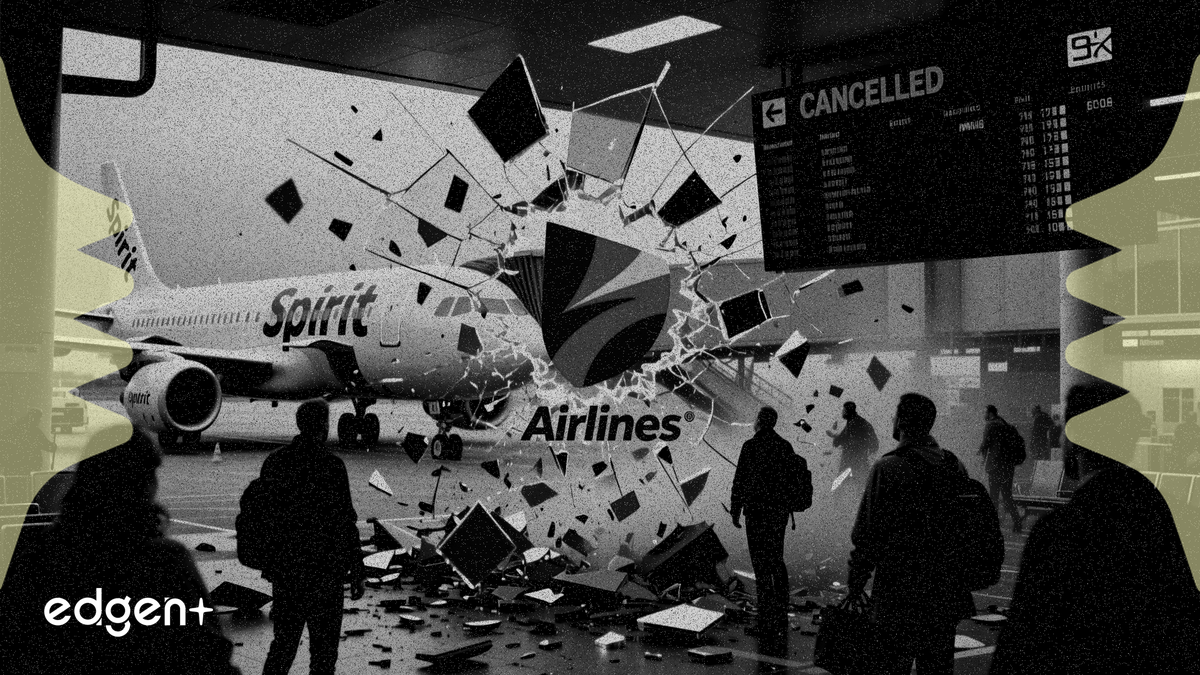
Grupo Aeroportuario del Pacífico, S.A.B. de C.V. (NYSE: PAC; BMV: GAP) báo cáo rằng, sau thông báo do Spirit Airlines đưa ra vào ngày 2 tháng 5 về việc ngừng hoạt động ngay lập tức, Công ty đã tiến hành đánh giá tác động tiềm tàng đối với các sân bay của mình.
Tại Sân bay Detroit Metropolitan Wayne County, một trung tâm quan trọng, một thông báo trên các ki-ốt của Spirit đã thông tin cho hành khách về việc đóng cửa: "Chúng tôi rất tiếc phải thông báo với quý khách rằng Spirit Airlines đã ngừng các hoạt động toàn cầu. Tất cả các chuyến bay của Spirit đã bị hủy và dịch vụ khách hàng không còn khả dụng."
Việc đóng cửa ảnh hưởng trực tiếp đến hơn 1,7 triệu hành khách mà hãng đã vận chuyển vào năm 2025. Công ty mẹ của hãng, Spirit Aviation Holdings, Inc., đã công bố một cuộc "giải thể hoạt động có trật tự" khi chuẩn bị thanh lý tài sản để trả nợ cho các chủ nợ.
Sự sụp đổ của Spirit Airlines đã loại bỏ một công ty lớn trong thị trường hãng hàng không giá rẻ, có khả năng dẫn đến giá vé cao hơn trên các tuyến đường cạnh tranh khi các đối thủ hấp thụ thị phần bị bỏ trống. Đối với các nhà khai thác sân bay như GAP, việc mất đi một hãng vận chuyển ngay lập tức có nghĩa là một đòn giáng trực tiếp vào lưu lượng hành khách và các doanh thu liên quan, mức độ đầy đủ của vấn đề này hiện đang được xem xét khẩn cấp.
Sự lụi tàn của Spirit Airlines không phải là điều hoàn toàn bất ngờ. Hãng hàng không này đã gặp khó khăn về tài chính trong nhiều năm, một tình trạng trở nên tồi tệ hơn do thẩm phán liên bang đã chặn vụ sáp nhập được đề xuất với JetBlue vào năm 2024. Sau vụ sáp nhập thất bại, Spirit đã nộp đơn phá sản vào năm 2024 và bị buộc phải phá sản lần thứ hai chưa đầy một năm sau đó do nợ nần chồng chất.
Việc đóng cửa hãng hàng không sẽ có những tác động sâu rộng ngoài khách hàng của mình. Các đối thủ cạnh tranh có thể thấy một lợi ích ngắn hạn khi họ giành được các hành khách cũ của Spirit. Tuy nhiên, việc mất đi một hãng hàng không giá rẻ lớn có thể làm giảm áp lực cạnh tranh lên giá vé trong dài hạn.
Đối với các sân bay nơi Spirit là hãng vận chuyển chính, tác động sẽ rất đáng kể. Grupo Aeroportuario del Pacífico, đơn vị vận hành 12 sân bay tại Mexico, đã thông báo vào ngày 4 tháng 5 rằng họ đang đánh giá tác động đối với các hoạt động của mình. Việc mất đi các tuyến bay của Spirit sẽ đồng nghĩa với việc giảm số lượng hành khách và phí hạ cánh cho GAP cũng như các sân bay bị ảnh hưởng khác.
Bài viết này chỉ nhằm mục đích cung cấp thông tin và không cấu thành lời khuyên đầu tư.