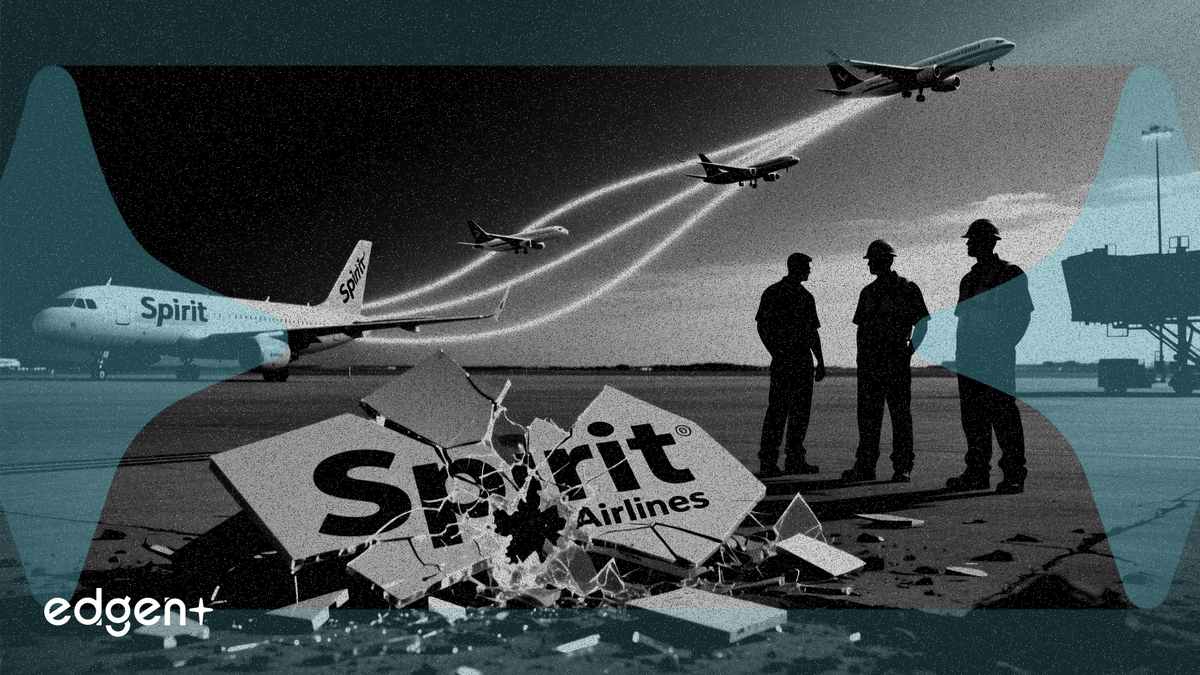
L'effondrement de Spirit Airlines va remodeler le marché de l'aviation américain, car la fermeture, le 2 mai, du plus grand transporteur ultra-low-cost du pays supprime un concurrent clé qui a longtemps maintenu les tarifs à la baisse pour les autres compagnies aériennes.
« En tant que concurrent ultra-low-cost des autres grandes compagnies aériennes, ils ont forcé ces dernières à baisser leurs prix sur tous les marchés où ils étaient en concurrence avec Spirit », a déclaré Zach Wichter, journaliste voyage pour USA TODAY, dans un podcast du 12 mai.
La fermeture a immédiatement impacté 17 000 employés et a laissé des dizaines d'Airbus en leasing cloués au sol à travers le pays. Les concurrents réagissent rapidement, JetBlue Airways ajoutant 11 nouvelles liaisons vers l'ancien hub de Spirit à Fort Lauderdale et Southwest Airlines renforçant ses programmes à Las Vegas et Orlando jusqu'au printemps 2027.
Avec la dette de plus de 2 milliards de dollars de Spirit désormais soumise à une procédure de liquidation, la question clé est de savoir à quelle vitesse et jusqu'où les tarifs augmenteront. Les analystes s'accordent à dire que la pression à la hausse est significative, mais les compagnies aériennes doivent équilibrer les hausses de prix par rapport au risque de détruire la demande de voyage, d'autant plus que la saison estivale commence.
Le coup de grâce
Un tribunal américain des faillites a donné son approbation finale à la liquidation de Spirit le 12 mai, permettant au transporteur de vendre ses actifs restants pour faire face à ses obligations envers les créanciers et les employés. La compagnie aérienne luttait depuis des années, ayant déposé le bilan deux fois rien qu'en 2025.
Bien que les problèmes financiers à long terme aient été persistants, le coup final est venu d'une flambée des prix du kérosène vers les 4,50 dollars le gallon, selon Wichter. Cela a brisé le plan de redressement de la compagnie aérienne, qui était basé sur des coûts de carburant compris entre 2 et 2,50 dollars. À cela s'est ajoutée une tendance des voyages post-pandémie privilégiant les expériences de loisirs haut de gamme, un segment de marché que le modèle minimaliste de Spirit n'était pas conçu pour capturer.
Des tarifs plus élevés à prévoir
La suppression de ce que le journaliste de The Points Guy, Sean Cudahy, a appelé une « couche clé de concurrence » devrait avoir un impact généralisé sur le prix des billets. Pendant des années, la présence de Spirit sur un marché a souvent conduit les compagnies traditionnelles à baisser leurs tarifs via l'introduction de billets « économie de base » conçus pour rivaliser sur les prix.
Certains voyageurs ont déjà signalé de fortes augmentations de prix sur des liaisons auparavant desservies par Spirit. Cela suit un modèle historique dans l'industrie aérienne ; en 2008, les grandes compagnies ont introduit des frais de bagages enregistrés en citant les prix élevés du carburant, un frais qui a depuis doublé pour certaines compagnies malgré la fluctuation des coûts du pétrole. Avec le départ de Spirit, les analystes surveilleront si les compagnies traditionnelles maintiennent les tarifs d'économie de base ou profitent de l'occasion pour pousser les clients vers des catégories de billets plus chères.
Pour de nombreux voyageurs soucieux de leur budget, la perte est importante. « Spirit m'a appris que si vous avez 50 dollars et un sac à dos, attachez votre ceinture, vous allez faire un voyage », a déclaré le créateur de voyages Chews to Explore sur Instagram, soulignant le rôle que la compagnie a joué pour rendre le voyage accessible à une population économique plus large.
Cet article est à titre informatif uniquement et ne constitue pas un conseil en investissement.