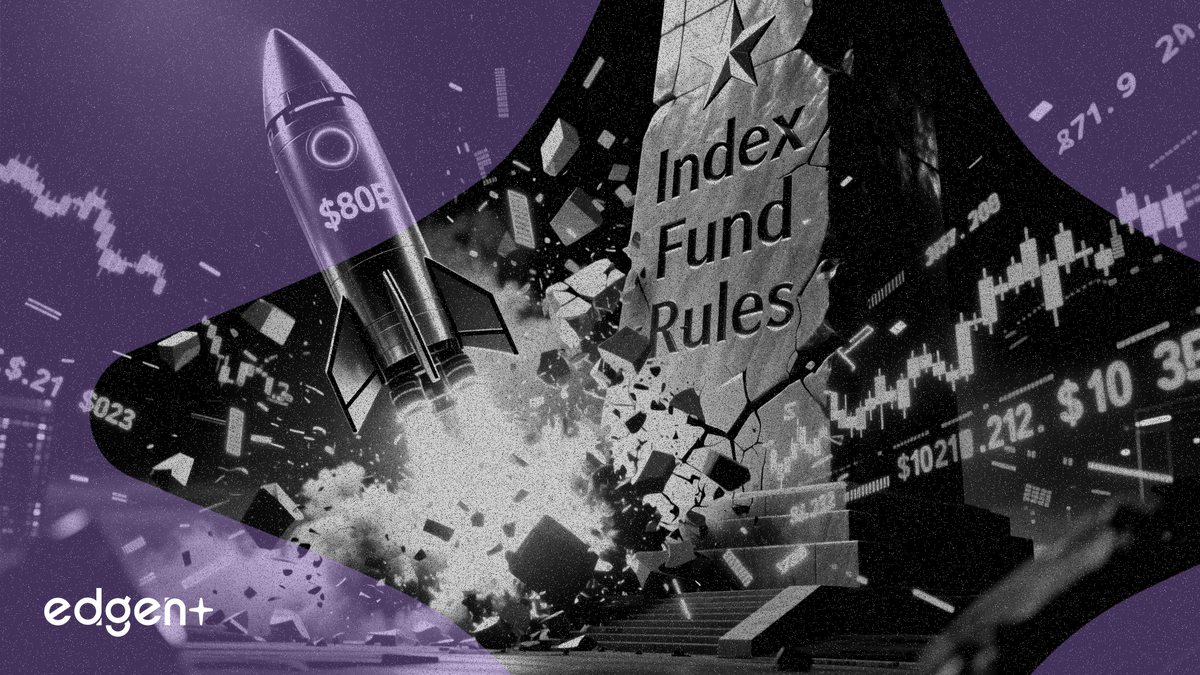
Endeks sağlayıcıları, mega halka arzlar için kuralları yeniden yazıyor ve pasif fonları SpaceX ile Anthropic hisselerini listelemelerinden günler sonra milyarlarca dolar satın almaya zorluyor — eleştirmenlere göre bu değişim fiyatları şişiriyor ve endeks yatırımının temel vaadini aşındırıyor.
Nasdaq ve diğer endeks sağlayıcıları, SpaceX'i yaklaşık 80 milyar dolarlık halka arzından sadece beş işlem günü sonra büyük endekslere dahil edecek ve endeks fonlarını potansiyel olarak şişirilmiş fiyatlardan büyük miktarlarda hisse satın almaya zorlayacak. Konuya yakın kaynaklara göre, roket üreticisi önümüzdeki haftaki halka arzında yaklaşık 1,75 trilyon dolar değerleme hedefliyor ve hisselerinin %5'inden azını satıyor.
"Hisse senedinin endekse dahil edilmesinden başka hiçbir neden yokken talepte büyük bir değişim yaşayabiliriz," dedi Dimensional Fund Advisors başkanı ve endeks fonu geliştirmenin öncüsü David Booth.
Strategas Securities'e göre, SpaceX S&P 500'e dahil edilirse yaklaşık 130. sırada yer alacak ve başlangıç ağırlığı yaklaşık %0,14 olacak. Anthropic de yapay zeka şirketini neredeyse 1 trilyon dolara değerleyebilecek bir halka arz başvurusu yaptı ve OpenAI de geride değil. Yeni Nasdaq hükümleri uyarınca, SpaceX'in Nasdaq 100'deki ağırlığı şişirilecek ve bazı endeks fonlarını hisse alımlarını üç katına çıkarmaya etkili bir şekilde zorlayacak. Birçok endeks sağlayıcısı, büyük halka arzları bir yıla kadar sürebilecek bir olgunlaşma dönemi beklemek yerine sadece beş işlem günü sonra endekslere ekleyecek — ancak daha küçük şirketler aynı muameleye tabi olmayabilir.
"Geniş tabanlı bir endeks fonunun, yatırım partisinde belirlenmiş sürücü olması gerekir ve tam da parti çılgınlaşırken, belirlenmiş sürücü 'İşte zencefilli gazozun' der," dedi MarketVector Indexes CEO'su Steven Schoenfeld. "Ama şimdi bazı endeks sağlayıcılarının söylediği şey, 'Bence bir Cuba libre'ye, üstelik double romluya ihtiyacın var.'"
Hızlı Takibin Maliyeti
Harvard finans araştırmacıları Marco Sammon ve Chris Murray tarafından 2025 yılında yapılan bir çalışma, birkaç büyük endeks fonunun temelini oluşturan CRSP hisse senedi endekslerini inceledi. 2017'den bu yana CRSP, daha fazla halka arzı hızlı takip ederek beşinci işlem gününden sonra endekslere ekliyor. Çalışma, bu halka arzların ilk beş işlem gününde %15 daha iyi performans gösterdiğini, hedge fonlar ve diğer fırsatçıların, endeks fonlarının altıncı günde onlardan satın almak zorunda kalacağını bilerek fiyatı yükselttiğini ortaya koydu. Hızlı takip, endeks fonu yatırımcılarının sıcak hisseler için fazla ödeme yapmasına neden oluyor.
Eğer "mega halka arzlara çok yüksek bir fiyattan yüklenmek endeks fonları için yeni bir model haline gelirse", bu ek işlem maliyeti "neredeyse yatırımcılara uygulanan yıllık bir ücrete eşdeğer hale gelebilir," dedi Stanford finans profesörü Hanno Lustig. Maliyetin çok büyük olacağına inanmadığını ancak bunun endeks fonlarını daha az cazip hale getireceğini belirtti.
Önümüzdeki Düzenleyici İnceleme mi?
"Bu gelişmeler, politika yapıcıların ve düzenleyicilerin incelemesine değer," dedi daha önce Vanguard'ın hisse senedi fonlarını yönetmeye yardımcı olan Whittier Trust baş yatırım sorumlusu Sandip Bhagat. "Birileri bu uygulamalara bakmalı ve bunların genel olarak yatırım yapan kamuoyunun çıkarına olup olmadığından emin olmalı."
Halka arzdan sonra bile, SpaceX'in yaklaşık %85'i özel ellerde kalacak — bunun büyük kısmı Elon Musk tarafından çift sınıflı oy yapısı aracılığıyla kontrol ediliyor. Halka arzın 60 milyar ila 80 milyar dolar arasında fon toplaması bekleniyor ve aracı kurumlar arasında Goldman Sachs, Morgan Stanley, BofA Securities, Citigroup ve J.P. Morgan yer alıyor. SpaceX'in 12 Haziran'da Nasdaq'ta işlem görmeye başlaması, yolculuğun ise 4 Haziran'da başlaması planlanıyor.
Morningstar, bu hafta yayınladığı karşıt bir değerlendirmede, şirketin yapay zeka işi etrafındaki belirsizlik ve Musk'ın beklenen %85 oy kontrolüne ilişkin yönetişim endişelerini gerekçe göstererek SpaceX'i sadece 780 milyar dolar olarak değerledi — bu, halka arz hedefinin yarısından az. Analist Nicolas Owens, uzun vadeli yatırımcıların "halka arzdan sonra hisseleri daha cazip seviyelerde satın alma fırsatları olacağını" söyledi.
Endeks fonu yatırımcıları için risk daha yapısaldır. Mega halka arzların hızlı takibi standart uygulama haline gelirse, pasif yatırımın düşük maliyet vaadi — zaten en büyük hisselerdeki yoğunlaşma riski altında olan — şişirilmiş ilk gün fiyatlarından zorunlu alımlar nedeniyle yeni bir yük ile karşı karşıya kalır. SEC henüz uygulamaya ilişkin herhangi bir inceleme sinyali vermedi, ancak SpaceX, Anthropic ve OpenAI halka arzlarının büyüklüğü bu soruyu gündeme getirebilir.
Bu makale yalnızca bilgilendirme amaçlıdır ve yatırım tavsiyesi niteliği taşımaz.